Msomi Huru

Headlines
Loading...
Advertisement

Mar 7, 2025

MFUMO WA SIS(Students Information System)

Mfumo wa SIS (Student Information System) ni mfumo wa usimamizi wa taarifa za wanafunzi katika taasisi za elimu kama vile shule, vyuo, na vyuo vikuu. Mfumo huu hutumiwa kuhifadhi, kudhibiti, na kusimamia taarifa muhimu kama:

  • Usajili wa wanafunzi
  • Ratiba za masomo
  • Matokeo ya mitihani
  • Mahudhurio ya wanafunzi
  • Malipo ya ada
  • Mawasiliano kati ya walimu, wanafunzi, na wazazi

Mfumo wa SIS unaweza kuwa wa mtandaoni (online) au wa ndani ya taasisi (offline). Mfumo huu husaidia kurahisisha kazi za kiutawala, kuongeza ufanisi, na kuhakikisha taarifa za wanafunzi zinapatikana kwa urahisi na usalama.


Mfumo wa SIS (Student Information System) una umuhimu mkubwa katika taasisi za elimu kwa sababu husaidia kusimamia na kurahisisha shughuli mbalimbali zinazohusiana na wanafunzi. Baadhi ya manufaa yake ni:

1. Usimamizi Bora wa Taarifa

  • Huweka kumbukumbu za wanafunzi kwa njia ya kidijitali, hivyo kupunguza upotevu wa data.
  • Huwezesha ufikiaji wa haraka wa taarifa kama matokeo, mahudhurio, na ada.

2. Kuokoa Muda na Rasilimali

  • Hupunguza kazi za mikono kama uandishi wa ripoti na utunzaji wa mafaili ya karatasi.
  • Hurahisisha mchakato wa usajili wa wanafunzi na upangaji wa ratiba.

3. Ufanisi katika Usimamizi wa Masomo

  • Husaidia walimu kupanga ratiba za vipindi, mitihani, na kazi za wanafunzi kwa urahisi.
  • Huongeza uwazi katika utoaji wa matokeo na mawasiliano kati ya walimu, wanafunzi, na wazazi.

4. Urahisi wa Mawasiliano

  • Wazazi wanaweza kufuatilia maendeleo ya watoto wao kwa kutumia mfumo huu.
  • Taasisi inaweza kutuma taarifa muhimu kwa wanafunzi na wazazi kupitia barua pepe au ujumbe mfupi.

5. Usalama na Ulinzi wa Taarifa

  • Mfumo huu huweka taarifa kwa njia salama, ikiwezekana kwa kutumia nenosiri na viwango vya ruhusa tofauti kwa watumiaji.
  • Hupunguza hatari ya kupoteza data au matumizi mabaya ya taarifa za wanafunzi.

6. Ufuatiliaji wa Mahudhurio na Nidhamu

  • Husaidia katika kufuatilia mahudhurio ya wanafunzi kwa njia ya kidijitali, ikiwa ni pamoja na kutumia teknolojia kama alama za vidole au kadi za kielektroniki.
  • Huongeza uwajibikaji wa wanafunzi na walimu kwa kuhakikisha kila mtu anafuata ratiba na sheria za taasisi.

Kwa ujumla, mfumo wa SIS ni zana muhimu kwa taasisi za elimu kwa sababu husaidia kurahisisha kazi za kiutawala, kuboresha utoaji wa elimu, na kuhakikisha kuwa taarifa zote muhimu zinapatikana kwa haraka na kwa usalama.


Jinsi ya kutumia mfumo wa SIS (Student Information System) inategemea aina ya mfumo uliopo, lakini kwa ujumla, hapa ni hatua za msingi za kutumia mfumo huu:


1. Kuingia kwenye Mfumo (Login)

  • Fungua tovuti au programu ya SIS ya taasisi yako.
  • Ingiza jina la mtumiaji (username) na nenosiri (password).
  • Bonyeza kitufe cha "Ingia" (Login).

2. Usajili wa Wanafunzi

  • Nenda kwenye sehemu ya Usajili wa Wanafunzi.
  • Ingiza taarifa za mwanafunzi kama jina, namba ya usajili, darasa, na mawasiliano.
  • Hakikisha taarifa ziko sahihi kisha bonyeza Hifadhi (Save).

3. Kusimamia Ratiba za Masomo

  • Chagua sehemu ya Ratiba (Timetable).
  • Ingiza au angalia ratiba ya vipindi kwa kila darasa na mwalimu.
  • Fanya mabadiliko inapohitajika kisha hifadhi taarifa hizo.

4. Kuingiza na Kupata Matokeo ya Mitihani

  • Nenda kwenye sehemu ya Matokeo (Exam Results).
  • Walimu wanaweza kuingiza alama za mitihani kwa kila mwanafunzi.
  • Wanafunzi na wazazi wanaweza kuangalia matokeo yao kwa kuingia kwenye akaunti zao.

5. Kufuatilia Mahudhurio ya Wanafunzi

  • Chagua sehemu ya Mahudhurio (Attendance).
  • Walimu wanaweza kuweka alama kwa wanafunzi waliopo au waliokosa masomo.
  • Wanafunzi na wazazi wanaweza kuona ripoti za mahudhurio.

6. Kusimamia Malipo ya Ada

  • Nenda kwenye sehemu ya Malipo (Fees Management).
  • Ingiza au angalia malipo ya ada yaliyofanyika na yanayodaiwa.
  • Toa risiti au arifa kwa wanafunzi na wazazi kuhusu ada.

7. Mawasiliano kati ya Walimu, Wanafunzi, na Wazazi

  • Mfumo huu mara nyingi huwezesha kutuma ujumbe wa barua pepe, SMS, au arifa (notifications) kwa wanafunzi na wazazi.
  • Wazazi wanaweza kuuliza kuhusu maendeleo ya mtoto wao kupitia mfumo huu.

8. Usalama wa Mfumo

  • Badilisha nenosiri mara kwa mara ili kuhakikisha usalama wa akaunti yako.
  • Ondoka kwenye akaunti yako (Logout) kila unapomaliza kazi, hasa unapotumia kifaa cha umma.

Kwa kutumia mfumo wa SIS kwa usahihi, taasisi inaweza kuimarisha utawala, kuongeza uwazi, na kurahisisha utoaji wa elimu kwa njia bora zaidi.

Mar 5, 2025

Mambo 10 ya kuvutia kuhusu sayari Dunia

 BBC News, Swahili

Mambo 10 ya kuvutia kuhusu sayari Dunia

f

Chanzo cha picha,Getty Images

Mwezi hu tarehe 22 Aprili Dunia iliadhimisha Siku ya Kimataifa ya Dunia, ambayo huadhimishwa kila mwaka. Siku hii imekuwa ikiadhimishwa na Umoja wa Mataifa kama siku ya kimataifa ya Dunia tangu mwaka 1970.

Ni nini tunachofahamu kuhusu sayari yetu dunia?

1.Dunia sio duara kamili

Kwa kawaida dunia huwa inadhaniwa kuwa ni duara kamili, lakini uhalisi ni kwamba duniani ni duaradufu. Dunia huwa inamesawazishwa kuelekea kwenye maeneo yan cha na kuvimba tena kuelekea maeneo ya ikweta.

Athari hizi husababishwa na sumaku ya dunia na kuzunguka katika mhimili wake. Hivyo basi, mzunguko wa dunia katika ikweta ni una urefu wa karibu kilomita 43 zaidi kuliko mzunguko baina ya ncha za dunia.

2. Asilimia takriban 70 ya dunia imefunikwa na maji

g

Chanzo cha picha,Getty Images

Maji katika dunia yako katika hali ya kimiminika, magumu na gesi.

Karibu theluthi tatu ya uso wa dunia imefunikwa na barafu, maziwa, mabwawa, mito,vijito na bahari.

Karibu 97 asilimia ya maji haya ni maji ya bahari ya chumvi.

2. Anga huanzia katika umbali wa karibu kimomita 100 juu ya usawa wa dunia

Mpaka baina ya hali ya hewa na anga za juu ni kilomita 100 juu ya usawa wa bahari.

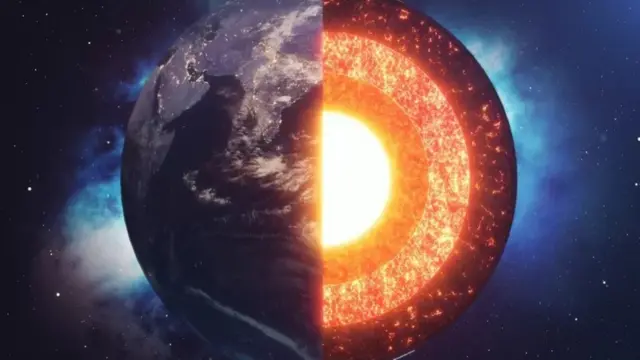
Msingi wa dunia umetengenezwa na chuma

Dunia ni sayari ya tano kwa ukubwa katika mfumo wa jua. Na inaaminiwa kuwa ina ukubwa wa eneo wa karibu kilomita 1,200 umeundwa na asilimia 85 ya chuma na asilimia 10 ni nikeli.

4. Dunia ndio sayari pekee yenye maisha

Dunia ndiyo sayari pekee inayofahamika kuwa na viumbe vinavyoishi.

Dunia iliundwa takriban miaka bilioni 4.5 , iliyopita, na historia yake ya kijiografia na setilaiti vimeruhusu maisha kuwepo hapa kwa mamilioni ya miaka

Takriban spishi milioni 1.2 za Wanyama zilirekodiwa kuidhi duniani.

6. Sumaku ya dunia sio sawa kila mahali

g

Chanzo cha picha,Getty Images

Kwasababu sayari Dunia sio duara kamilifu, sumaku/mvuto wa dunia hauko sawa katika maeneo tofauti.

Kwa mfano, kadri unavyotoka katika maeneo ya ikweta kuelekea kwenye maeneo yan cha za dunia, sumaku ya dunia huimarika . Lakini mtu hawezi kuhisi utofauti huu mdogo.

7. Dunia ni sayari yenye utofauti

Utofauti wa kijiografia wa kanda na hali za hewa inamaanisha kuwa kila kanda ina tabia zake tofauti na nyingine.

Kuna sehemu mbali mbali ambazo zinaweza kuchukuliwa kuwa maeneo ya joto zaidi dunaini. Viwango vya juu zaidi vya joto kuwahi kurekodiwa ni vile vilivyotokea katika Death Valley nchini Marekani , ambako mwezi Julai 10, 1913, kipimajoto kilionyesha viwango vay joto kufikia nyuzi joto 56.7.

Kiwango cha chini kabisa cha joto duniani kilirekodiwa Julai , 31, 1983 katika kituo cha Vostok station kilichopo Antarctica: nyuzi joto - 89.2

8. Eneo lenye makazi zaidi katika Dunia

g

Chanzo cha picha,Getty Images

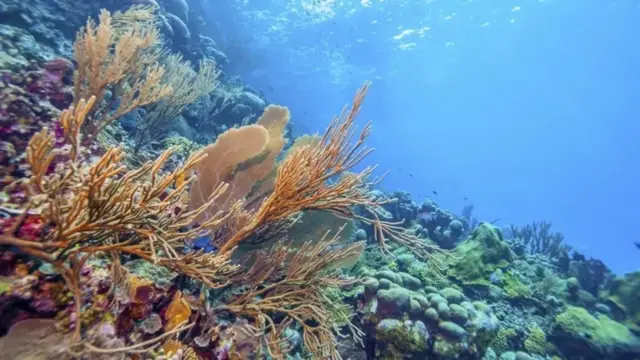
The Great Barrier Reef kwenye mwambao wa Australia ni eneo linalokaliwa na viumbe hai wengi zaidi linaloweza kutazamwa katika sayari Dunia.

Ukubwa wa eneo hili ni zaidi ya kilomita 2000 na maelfu ya viumbe wa baharini huishi hapa

Katika mwaka 1981, mimea ya coral reef ilijumuishwa katika Orodha ya Urithi wa Dunia ya UNESCO.

9. Dunia ndio sayari pekee katika mfumo wa jua yenye matabaka ya miamba migumu.

Kusogea kwa matabaka haya kunaonyesha kuwa uso wa Dunia unabadilika.

Matabaka haya ya miamba pia yanahusika katika kuundwa kwa miamba mchakato unaosababisha volcano.

Kusogea kwa miamba hii huhakikisha kuwepo kwa mzunguko wa gesi ya hewa chafu kama vile carbon dioxide kwa kuendelea kubadili upya sakafu ya bahari, na wakati huo huo hufanya jukumu muhimu la akudhibiti viwango vya joto vya Dunia.

10. Dunia ina ngao ya kinga

g

Chanzo cha picha,Getty Images

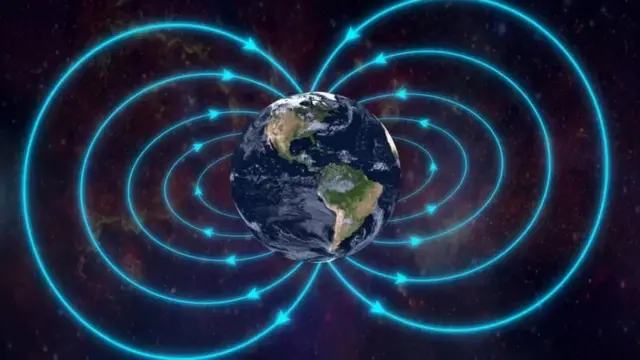
Eneo la sumaku la Dunia huwa kama ngao dhidi ya kupiga kwa mara kwa mara kwa jua na chembechembe zenye joto la juu zaidi.

Eneo hili huanzia kwenye mhimili wa ndai wa dunia hadi kwenye mpaka wake ambako hugongana na upepo wa jua.

THE UNIVERSE

THE UNIVERSE

The universe refers to all of space, time, matter, energy, and everything that exists. It encompasses everything from the smallest particles to the largest galaxies, and everything in between. Here are some key points about the universe:

1. Size and Structure

  • The universe is vast and nearly incomprehensible in size. It is constantly expanding, meaning galaxies are moving farther apart over time.
  • It contains galaxies, stars, planets, moons, black holes, nebulae, and other celestial bodies.
  • The observable universe extends about 93 billion light-years in diameter, but the entire universe could be much larger, and we cannot observe beyond that distance due to the speed of light and cosmic limitations.

2. Origins - The Big Bang

  • The most widely accepted theory for the origin of the universe is the Big Bang Theory. It suggests that about 13.8 billion years ago, the universe began as a singularity—a point of infinite density—and has been expanding ever since.
  • Evidence for this theory includes the cosmic microwave background radiation and the observed redshift of galaxies.

3. The Cosmic Web

  • The universe's structure is often described as a cosmic web, with galaxies and clusters of galaxies forming vast filaments of matter separated by vast voids of empty space.

4. Stars and Galaxies

  • Stars are formed from clouds of gas and dust and are often organized into galaxies. A galaxy is a large system of stars, gas, dust, and dark matter bound together by gravity.
  • Our solar system is part of the Milky Way galaxy, which is just one of billions of galaxies in the universe.

5. Dark Matter and Dark Energy

  • Around 85% of the matter in the universe is dark matter, which doesn't emit, absorb, or reflect light, making it invisible. Its presence is inferred from its gravitational effects on visible matter.
  • Dark energy is a mysterious force responsible for the accelerated expansion of the universe. It makes up about 68% of the universe's total energy content.

6. Life and Earth

  • Earth is currently the only known planet that supports life, though scientists continue to search for signs of life elsewhere in the universe, particularly on planets orbiting stars in the "habitable zone"—the region where liquid water could exist.

7. Time and Space

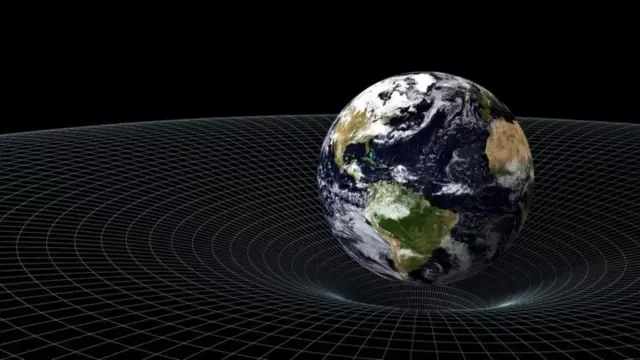
  • According to Einstein's theory of relativity, time and space are intertwined and form what is known as space-time. This fabric can be curved by mass and energy, affecting the movement of objects and light.

8. End of the Universe

  • The future of the universe is uncertain. Some theories propose it could eventually contract in a "Big Crunch," while others suggest it may continue expanding forever, leading to a "Big Freeze."

The study of the universe is known as cosmology, and it's a field that combines physics, astronomy, and philosophy to understand the nature, origin, and fate of the cosmos.

NADHARIA KUHUSU ULIMWENGU
Ulimwengu unarejelea nafasi, wakati, vitu, nishati na kila kitu kilichopo.  Inajumuisha kila kitu kutoka kwa chembe ndogo zaidi hadi galaksi kubwa zaidi, na kila kitu kilicho katikati.  Hapa kuna mambo muhimu kuhusu ulimwengu:

 1. Ukubwa na Muundo

 Ulimwengu ni mkubwa na karibu haueleweki kwa ukubwa.  Inapanuka kila mara, kumaanisha galaksi zinasonga mbali zaidi kwa wakati.

 Ina galaksi, nyota, sayari, miezi, mashimo meusi, nebulae, na miili mingine ya mbinguni.

 Ulimwengu unaoonekana una kipenyo cha miaka bilioni 93 ya nuru, lakini ulimwengu wote unaweza kuwa mkubwa zaidi, na hatuwezi kutazama zaidi ya umbali huo kwa sababu ya kasi ya mwanga na mapungufu ya ulimwengu.

 2. Asili - Mlipuko Mkubwa

 Nadharia inayokubalika zaidi kuhusu asili ya ulimwengu ni Nadharia ya Big Bang.  Inapendekeza kwamba karibu miaka bilioni 13.8 iliyopita, ulimwengu ulianza ukiwa umoja—hatua ya msongamano usio na kikomo—na umekuwa ukipanuka tangu wakati huo.

 Ushahidi wa nadharia hii ni pamoja na mnururisho wa mandharinyuma ya microwave na mabadiliko yanayoonekana ya galaksi.

 3. Mtandao wa Cosmic

 Muundo wa ulimwengu mara nyingi hufafanuliwa kuwa mtandao wa ulimwengu, pamoja na galaksi na makundi ya galaksi yanaunda filaments kubwa ya suala iliyotenganishwa na nafasi kubwa ya nafasi tupu.

 4. Nyota na Magalaksi

 Nyota huundwa kutoka kwa mawingu ya gesi na vumbi na mara nyingi hupangwa katika galaksi.  Galaxy ni mfumo mkubwa wa nyota, gesi, vumbi, na vitu vya giza vilivyounganishwa pamoja na mvuto.

 Mfumo wetu wa jua ni sehemu ya galaksi ya Milky Way, ambayo ni mojawapo tu ya mabilioni ya galaksi katika ulimwengu.

 5. Mambo ya Giza na Nishati ya Giza

 Takriban 85% ya maada katika ulimwengu ni maada nyeusi, ambayo haitoi, kunyonya, au kuakisi mwanga, na kuifanya isionekane.  Uwepo wake unatokana na athari zake za mvuto kwenye maada inayoonekana.

 Nishati ya giza ni nguvu ya ajabu inayohusika na upanuzi wa kasi wa ulimwengu.  Inafanya karibu 68% ya jumla ya nishati ya ulimwengu.

 6. Uhai na Ardhi

 Dunia ndiyo sayari pekee inayojulikana inayotegemeza uhai, ingawa wanasayansi wanaendelea kutafuta ishara za uhai mahali pengine katika ulimwengu, hasa kwenye sayari zinazozunguka nyota katika "eneo linaloweza kukaliwa"—eneo ambalo maji ya kioevu yanaweza kuwepo.

 7. Muda na Nafasi

 Kulingana na nadharia ya Einstein ya uhusiano, wakati na anga zimeunganishwa na kuunda kile kinachojulikana kuwa wakati wa anga.  Kitambaa hiki kinaweza kupindwa na wingi na nishati, na kuathiri harakati za vitu na mwanga.

 8. Mwisho wa Ulimwengu

 Wakati ujao wa ulimwengu haujulikani.  Nadharia zingine zinapendekeza kwamba inaweza hatimaye kupata mkataba katika "Big Crunch," wakati zingine zinapendekeza inaweza kuendelea kupanuka milele, na kusababisha "Kufungia Kubwa."

 Utafiti wa ulimwengu unajulikana kama cosmology, na ni fani inayochanganya fizikia, unajimu na falsafa ili kuelewa asili, asili na hatima ya ulimwengu.

 
CHARACTERISTIC OF GOOD AIDS FOR TEACHING ACTIVITIES

Good teaching aids are essential in enhancing the learning experience. Here are some key characteristics of effective teaching aids:

1. Relevance to the Lesson

  • Teaching aids should directly align with the lesson's objectives and help clarify or emphasize key concepts being taught.

2. Clarity and Simplicity

  • They should be easy to understand and not overly complex, ensuring that students can easily grasp the information being conveyed.

3. Engaging and Interactive

  • Good teaching aids should captivate students' attention and encourage active participation, whether through visuals, activities, or hands-on experiences.

4. Age and Level Appropriate

  • The aid should be suitable for the age group and cognitive level of the students, ensuring that it addresses their specific learning needs.

5. Durable and Cost-Effective

  • Effective teaching aids should be made from durable materials so they last over time and are affordable for schools or educators to acquire and maintain.

6. Versatile and Adaptable

  • Teaching aids should be adaptable to different teaching styles and learning environments, allowing teachers to use them in various contexts.

7. Visually Appealing

  • Aesthetically pleasing teaching aids help maintain students' attention. They should use clear, well-organized visuals, charts, and colors to make learning more enjoyable.

8. Stimulates Critical Thinking

  • A good teaching aid should encourage students to think critically and engage in problem-solving or discussions that deepen their understanding of the topic.

9. Promotes Retention

  • The aid should help reinforce what is being taught, aiding memory retention. For example, interactive or sensory-based aids help students remember information better.

10. Culturally Sensitive and Inclusive

  • A good teaching aid respects and reflects the diversity of students' backgrounds and experiences. It should not contain biases or stereotypes.

Examples of good teaching aids include flashcards, videos, models, charts, diagrams, interactive software, and educational games. These tools make learning more effective, memorable, and enjoyable.

Would you like more examples or recommendations based on specific subjects?

SIFA ZA ZANA BORA ZA KUFUNDISHIA

Zana bora za kufundishia zinapaswa kuwa na sifa zifuatazo ili kusaidia katika ufundishaji na ujifunzaji bora:

1. Inaendana na Malengo ya Somo

  • Zana inapaswa kusaidia kufanikisha malengo ya somo na kuongeza uelewa wa wanafunzi.

2. Rahisi Kutumia na Kufahamika

  • Inapaswa kuwa rahisi kutumia kwa mwalimu na wanafunzi bila changamoto kubwa za ufahamu.

3. Inahamasisha Usikivu na Ushiriki wa Wanafunzi

  • Zana bora inapaswa kuvutia wanafunzi na kuwafanya washiriki kikamilifu darasani.

4. Imetengenezwa kwa Malighafi Sahihi na Imara

  • Inapaswa kuwa imara na ya kudumu ili iweze kutumika kwa muda mrefu.

5. Inapatikana kwa Urahisi

  • Zana inapaswa kuwa rahisi kupatikana au kutengenezwa kwa gharama nafuu ili isilete changamoto kwa walimu na shule.

6. Inazingatia Teknolojia na Ubunifu

  • Ikiwezekana, inapaswa kuendana na teknolojia za kisasa kama vile video, programu za kompyuta, au maudhui ya mtandaoni ili kusaidia kufundisha kwa ufanisi.

7. Inazingatia Umri na Uelewa wa Wanafunzi

  • Zana inapaswa kuwa sahihi kwa kiwango cha elimu cha wanafunzi na kusaidia kuelewa dhana ngumu kwa njia rahisi.

Mfano wa zana bora za kufundishia ni kama vile ramani, picha, vitabu, vifaa vya majaribio ya sayansi, video za kielimu, programu za kompyuta, na hata michezo ya kielimu

WHAT IS EARTH QUICK

An earthquake is the shaking of the Earth's surface caused by the sudden release of energy in the Earth's crust. This usually happens due to movements along faults (fractures in the Earth's crust) or volcanic activity.

Causes of Earthquakes:

  1. Tectonic Plate Movements – The Earth's crust is made of large plates that move. When they collide, slide past each other, or pull apart, stress builds up, and an earthquake occurs.
  2. Volcanic Activity – Magma movement beneath the Earth’s surface can trigger earthquakes.
  3. Human Activities – Activities like mining, dam construction, and underground explosions can sometimes cause small earthquakes.

Effects of Earthquakes:

  • Ground shaking
  • Landslides
  • Tsunamis (if the quake occurs under the ocean)
  • Destruction of buildings and infrastructure
  • Loss of lives and economic damage
WHAT IS PLATE TECTONIC

🌍 Understanding Plate Tectonics: The Dynamic Engine of Our Planet

Introduction

The Earth’s surface might look solid and unchanging, but beneath our feet, it is constantly moving. This invisible motion is caused by plate tectonics, a scientific theory that explains how the Earth’s outer shell, or lithosphere, is divided into large, moving pieces called tectonic plates. These plates move slowly over the semi-fluid layer known as the asthenosphere, creating earthquakes, volcanoes, mountains, and even ocean basins. Understanding plate tectonics helps us comprehend the past, predict natural disasters, and appreciate the planet’s continuous evolution.

What Is Plate Tectonics?

Plate tectonics is the theory that describes the structure and motion of Earth’s lithospheric plates. These plates fit together like a giant jigsaw puzzle, covering the entire planet. There are seven major tectonic plates—the African, Antarctic, Eurasian, Indo-Australian, North American, Pacific, and South American plates—and several smaller ones such as the Arabian, Philippine, and Caribbean plates.

Each plate floats on the hot, molten mantle below. As heat rises from the Earth’s core, it causes convection currents in the mantle, which push and pull the plates in different directions.

Types of Plate Boundaries

Tectonic plates interact at their boundaries, and there are three main types:

1. Divergent Boundaries (Constructive)

At divergent boundaries, plates move away from each other. This movement allows magma from the mantle to rise and solidify, forming new crust.

  • Example: The Mid-Atlantic Ridge, where the Eurasian Plate and North American Plate are moving apart.

2. Convergent Boundaries (Destructive)

Here, plates move toward each other. One plate may sink beneath another in a process called subduction, leading to the formation of mountain ranges or volcanic arcs.

  • Example: The Himalayas, formed by the collision of the Indian Plate and Eurasian Plate.

3. Transform Boundaries (Conservative)

At transform boundaries, plates slide past each other horizontally, causing friction that can trigger earthquakes.

  • Example: The San Andreas Fault in California.

The Evidence for Plate Tectonics

The theory of plate tectonics evolved from Alfred Wegener’s 1912 hypothesis of continental drift, which proposed that continents were once joined together in a supercontinent called Pangaea. Wegener’s idea was later supported by geological and geophysical evidence such as:

  • Matching coastlines of Africa and South America.
  • Fossil evidence showing similar species on different continents.
  • Magnetic patterns on the ocean floor.
  • Seafloor spreading discovered by oceanographic studies.

Major Effects of Plate Movements

The movement of tectonic plates shapes the Earth’s surface and causes several natural phenomena:

🌋 Volcanic Activity

Most volcanoes occur along plate boundaries where magma can escape to the surface. For example, the “Ring of Fire” around the Pacific Ocean is home to most of the world’s active volcanoes.

🌄 Mountain Formation

When plates collide, the crust is pushed upward, creating mountain ranges. The Andes Mountains in South America and the Himalayas in Asia are perfect examples.

🌊 Earthquakes

Sudden plate movements release energy in the form of earthquakes. These can cause immense destruction, especially in tectonically active regions like Japan or Indonesia.

🌐 Ocean Basin Formation

At divergent boundaries beneath the sea, new ocean floors are created through seafloor spreading.


Why Plate Tectonics Matter

Understanding plate tectonics is crucial because it:

  • Explains Earth’s geological processes like earthquakes and volcanoes.
  • Helps predict natural disasters, saving lives and property.
  • Reveals Earth’s history, showing how continents and oceans have changed over millions of years.
  • Guides exploration for minerals, oil, and geothermal energy.

Fun Facts About Plate Tectonics

  • The fastest moving plate is the Pacific Plate, moving about 10 cm per year.
  • The Earth’s plates have been moving for over 3 billion years.
  • Without plate tectonics, the Earth might not have mountains or continents!

  • Conclusion

Plate tectonics is more than just a theory—it is the foundation of modern geology. It explains how our planet breathes, moves, and transforms over time. Every mountain range, earthquake, and volcanic eruption tells a story written by the restless movement of the Earth’s plates. As we continue to study these natural forces, we gain a deeper understanding of how the Earth works and how to live safely on this ever-changing planet.


WHAT IS LIFE SKILLS

Life skills are essential abilities that help people navigate daily challenges, make informed decisions, and interact effectively with others. They can be divided into different categories:

1. Personal Development Skills

  • Self-awareness – Understanding your emotions, strengths, and weaknesses.
  • Time management – Prioritizing tasks and using time effectively.
  • Adaptability – Being flexible and open to change.
  • Resilience – Overcoming setbacks and challenges.

2. Social & Communication Skills

  • Effective communication – Expressing thoughts clearly and listening actively.
  • Emotional intelligence – Understanding and managing emotions in yourself and others.
  • Conflict resolution – Handling disagreements calmly and respectfully.
  • Networking – Building relationships that help in personal and professional life.

3. Practical & Financial Skills

  • Budgeting & money management – Managing expenses, saving, and investing wisely.
  • Basic cooking & nutrition – Preparing healthy meals.
  • Household management – Cleaning, organization, and minor repairs.
  • First aid & emergency response – Knowing basic medical aid and safety measures.

4. Critical Thinking & Decision-Making

  • Problem-solving – Finding solutions to challenges.
  • Creative thinking – Thinking outside the box for new ideas.
  • Decision-making – Evaluating options and making informed choices.

5. Career & Professional Skills

  • Work ethic – Being reliable, responsible, and productive.
  • Public speaking – Presenting ideas confidently.
  • Negotiation skills – Reaching agreements in business and personal life.
  • Leadership & teamwork – Working with others effectively.

6. Health & Well-being

  • Stress management – Coping with pressure and anxiety.
  • Physical fitness – Maintaining an active lifestyle.
  • Mental well-being – Developing positive habits for a healthy mind.


VITU GANI VINASABABISHA BINADAMU KUZEEKA

Kuzeeka ni mchakato wa asili unaotokana na mchanganyiko wa sababu za kibaolojia, kijeni, na kimazingira. Sababu kuu zinazosababisha kuzeeka ni:

1. Uharibifu wa DNA

  • Kadri muda unavyosonga, DNA zetu hupata uharibifu kutokana na mambo kama mionzi, sumu, na makosa yanayotokea wakati wa kugawanyika kwa seli. Hili husababisha mwili kushindwa kujirekebisha ipasavyo.

2. Kupungua kwa Telomeres

  • Telomeres ni sehemu za mwisho za kromosomu ambazo hupungua kila wakati seli zinapogawanyika. Zinapokuwa fupi sana, seli hushindwa kugawanyika tena na hivyo kuzeeka.

3. Kujikusanya kwa Uharibifu wa Seli

  • Seli hukusanya kasoro na sumu mwilini, kama vile radikali huru (free radicals), ambazo husababisha uharibifu wa protini, mafuta, na DNA ndani ya seli.

4. Kupungua kwa Ufanisi wa Mifumo ya Mwili

  • Kadri mwili unavyozeeka, mifumo kama kinga, homoni, na usafishaji wa sumu mwilini hupungua ufanisi wake, hivyo kufanya mwili uwe dhaifu na rahisi kushambuliwa na magonjwa.

5. Mabadiliko ya Homoni

  • Viwango vya homoni kama vile estrogen na testosterone hupungua na kusababisha mabadiliko katika mwili kama kupungua kwa nguvu za misuli, ngozi kulegea, na mifupa kuwa dhaifu.

6. Athari za Mazingira na Mtindo wa Maisha

  • Ulaji mbovu, ukosefu wa mazoezi, uvutaji sigara, unywaji wa pombe kupita kiasi, na msongo wa mawazo huchochea kuzeeka haraka kwa kuchangia uharibifu wa seli.

Kwa kifupi, kuzeeka ni matokeo ya mwingiliano wa sababu nyingi za ndani ya mwili na mazingira ya nje. Hata hivyo, maisha yenye afya, chakula bora, na mazoezi vinaweza kusaidia kuchelewesha mchakato huu.

                              Msomihurutz