Mar 29, 2025

Mar 27, 2025

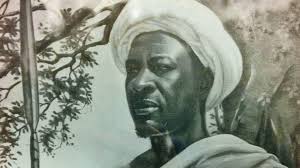
Historia ya Chifu Mkwawa

Published from Blogger Prime Android App

Historia ya Chifu Mkwawa

Chifu Mkwawa alikuwa kiongozi mashuhuri wa Wahehe aliyeongoza mapambano dhidi ya wakoloni wa Kijerumani katika eneo la Tanganyika mwishoni mwa karne ya 19.

Jina na Asili

Jina lake kamili lilikuwa Mkwavinyika Munyigumba Mwamuyinga. Alizaliwa mnamo mwaka 1855 na alikuwa mtoto wa Chifu Munyigumba, kiongozi wa kabila la Wahehe. Baada ya kifo cha baba yake mwaka 1879, Mkwawa alichukua uongozi na kuimarisha himaya ya Wahehe.

Mapambano Dhidi ya Wajerumani

Mnamo 1891, Wajerumani walipoanza kuingia Tanganyika na kutaka kutawala himaya ya Wahehe, Mkwawa alipinga kwa nguvu. Aliongoza Wahehe katika vita mashuhuri vya Lugalo mnamo Agosti 17, 1891, ambapo alishinda jeshi la Wajerumani na kuua kiongozi wao, Emil von Zelewski. Ushindi huu uliwafanya Wahehe kuwa tishio kubwa kwa wakoloni.

Baada ya kushindwa kwao Lugalo, Wajerumani walijipanga upya na mnamo 1894 walianza kampeni kubwa ya kumwangamiza Mkwawa. Walitumia mbinu za kijeshi kali, ikiwa ni pamoja na kuwashambulia Wahehe na kuharibu miji yao. Mkwawa aliendelea kupigana na Wajerumani kwa takriban miaka minne, akitumia mbinu za vita vya msituni.

Kifo cha Mkwawa

Mnamo Julai 19, 1898, baada ya kuzidiwa nguvu na Wajerumani waliomzingira, Mkwawa aliamua kujiua badala ya kukamatwa. Alijipiga risasi kichwani katika pango karibu na Iringa. Baada ya kifo chake, Wajerumani walimkata kichwa na kukipeleka Ujerumani kama ukumbusho wa ushindi wao.

Urithi na Kurudishwa kwa Fuvu la Kichwa Chake

Baada ya Vita Kuu ya Pili ya Dunia, katika makubaliano ya kurejesha heshima kwa viongozi wa Kiafrika waliopigana dhidi ya ukoloni, fuvu la Mkwawa lilirudishwa Tanganyika kutoka Ujerumani mnamo 1954. Sasa linahifadhiwa katika Makumbusho ya Mkwawa huko Kalenga, Iringa.

Umuhimu wa Mkwawa Katika Historia

  • Alikuwa kiongozi shupavu aliyepigania uhuru wa Wahehe dhidi ya ukoloni.
  • Ushindi wake katika Vita vya Lugalo ulionyesha kuwa Waafrika waliweza kuwashinda Wazungu vitani.
  • Alikuwa mfano wa mapambano ya uhuru, na jina lake linaheshimiwa katika historia ya Tanzania.

Mkwawa anabaki kuwa shujaa wa Tanzania, mwenye mchango mkubwa katika harakati za kupinga ukoloni.
Mar 26, 2025

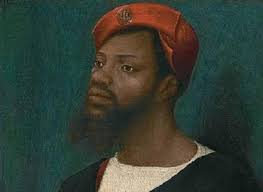
GHANA EMPIRE UNDER TUNKA MANINI

Published from Blogger Prime Android App

The Ghana Empire (c. 300–1100 AD) was a powerful West African kingdom located in present-day southeastern Mauritania, western Mali, and eastern Senegal. It was one of the earliest and most influential African empires, thriving due to its control over trans-Saharan trade routes.The most famous leader who ever ruled the Ghana Empire was Tunka Manin (who ruled about 1062 - 1076).

The rise of the Ghana Empire was influenced by several key factors, including geography, trade, leadership, and military strength. Below are the main factors that contributed to its rise:


1. Strategic Location


Ghana was located between the Sahara Desert and the savanna region, making it a natural hub for trade between North and West Africa.


Its position allowed it to control and tax trade routes, especially those carrying gold and salt.


2. Control of Trade


Ghana had vast gold reserves, making it one of the richest kingdoms in West Africa.


It controlled important trans-Saharan trade routes, where goods like gold, salt, ivory, and slaves were exchanged for textiles, horses, and weapons from North Africa.


The introduction of camels by Berber traders improved long-distance trade.


3. Strong and Centralized Government


The king (Ghana) had absolute power and controlled the trade and military.


The government efficiently collected taxes from traders, further enriching the empire.


Local chiefs and officials helped manage different regions, ensuring stability.


4. Powerful Military


Ghana maintained a well-trained army to protect its trade routes and enforce laws.


The military was used to expand territory and control surrounding tribes, increasing Ghana’s influence.


The use of iron weapons gave them a technological advantage over neighboring societies.


5. Agricultural Prosperity


The empire had fertile lands suitable for farming, providing enough food to sustain its growing population.


Surplus food allowed people to focus on other activities like trade, crafts, and administration.


6. Influence of Islam


Although Ghana’s rulers initially followed traditional African religions, interaction with Muslim traders introduced Islam.


The adoption of Arabic writing and administration techniques helped improve governance and trade relations with North Africa.


7. Tribute from Conquered Lands


Ghana expanded by conquering smaller states and making them pay tribute in gold, slaves, and other goods.


This system increased Ghana’s wealth and influence in West Africa.


The Ghana Empire had a lasting impact on West Africa, influencing trade, culture, governance, and regional power dynamics. Below are some of the major effects of the empire:

1. Economic Impact

  • Expansion of Trade: Ghana controlled trans-Saharan trade routes, facilitating the exchange of gold, salt, ivory, and slaves with North African and Middle Eastern merchants.
  • Introduction of Currency and Taxation: The empire imposed taxes on trade and developed a system for controlling the flow of gold, strengthening its economy.
  • Growth of Markets and Cities: Trading centers like Koumbi Saleh became prosperous, attracting merchants from different parts of Africa and beyond.

2. Political and Administrative Influence

  • Centralized Government: Ghana’s system of governance, where a powerful king ruled with local chiefs, influenced later West African empires like Mali and Songhai.
  • Use of Military for Expansion: The empire set a precedent for using a strong military to control trade routes and expand territory.

3. Cultural and Religious Influence

  • Spread of Islam: Ghana’s interactions with Muslim traders introduced Islam, which later became dominant in the region, influencing administration, education, and architecture.
  • Cultural Exchange: The empire was a melting pot of different cultures, integrating African traditions with Islamic influences.

4. Social Impact

  • Class System: Ghana’s society was structured, with the king and nobility at the top, followed by traders, artisans, farmers, and enslaved people.
  • Growth of Urbanization: Major cities flourished due to trade and governance, leading to more organized societies.

5. Influence on Successor Kingdoms

  • Ghana’s decline led to the rise of the Mali Empire, which inherited many of its trade networks and governance structures.
  • Later empires, including Songhai, built on Ghana’s legacy of economic and political organization.

Conclusion

The Ghana Empire played a crucial role in shaping the history of West Africa. It established trade networks, influenced governance, spread Islam, and laid the foundation for future empires. Its legacy can still be seen in the region’s cultural and economic history today.


           msomihurutzblog.blogspot.com

GLOBALIZATION AND THEIR EFFECT
Globalization.  It is a process that describes how nations, cultures, economies, and technologies are becoming more connected and more closely related.

 Aspects of Globalization
 1. Economic Globalization – International trade, foreign investment, and the movement of goods and services from one country to another.

 2. Cultural Globalization – The fusion of cultures through media, music, fashion, and the Internet.

 3. Political Globalization – International cooperation through organizations like the United Nations (UN) and diplomatic agreements.

 4. Technological Globalization – The spread of technology like the internet, cell phones, and scientific inventions around the world.

Globalization has many benefits in different aspects of human life.  Here are some of its main advantages:

 1. Economic Development
Free trade makes it easier to sell goods and services around the world.
Foreign investment increases employment and industrial growth.
Economic cooperation helps countries acquire new resources and technologies.


 2. Development of Technology and Science
 Ease of access to new technologies from developed countries.
 Scientific discoveries are growing rapidly because of international cooperation.
Communication has improved through the internet and modern phones.


 3. Cultural Exchange
Different cultures can learn from each other through movies, music, literature, and lifestyles.
 Various languages, such as English and Chinese, are widespread and support international communication.
 Tourism has flourished, helping people discover and enjoy different cultures.


 4. Facilitation of Communication

 The Internet and social networks facilitate fast and inexpensive communication.
 News is spreading faster, so people are getting information about world events in real time.


 5. Social Development and Education
 Facilitating access to education through international programs and online courses.
 International cooperation supports health, education, and community development projects.
 Better health services are easily available through modern technologies like telemedicine.

 6. International Cooperation
 Countries can work together to solve challenges like climate change, terrorism, and pandemics.
 International organizations like the UN, WHO, and IMF help promote development and peace in the world.
 Globalization has a positive impact on the world, but it also has its challenges. 

Globalization, despite having many benefits, also has negative effects that can affect society, economy, and culture in various ways.  Here are some of its main effects:

 1. Undermining Native Culture

  •  Indigenous culture is lost because foreign cultures are given priority.
  •  Native languages ​​may disappear due to the spread of international languages ​​such as English and Chinese.
  •  Traditional traditions and customs are being changed or lost due to the influence of other nations' lifestyles.
 2. Increasing Poverty and Capitalism
  •  Rich countries benefit more while poor countries continue to rely on aid.
  •  Large international companies compete with small local businesses, weakening the local economy.
  • Many workers in developing countries are paid low wages and work in harsh conditions.
 3. Environmental Damage
  •  Factories that produce products in large quantities increase the pollution of air, water, and land.
  •  Forests are cut down for commercial agriculture and the construction of large cities.
  •  Ocean pollution is increasing due to waste from developed countries.
 4. Neocolonialism
  •  Big nations use globalization to interfere in the politics and economy of smaller nations.
  •  The resources of developing countries are taken by powerful nations through unfair deals.
  •  Dependence on aid from rich nations can undermine domestic development.
 5. Prevalence of Crime and Social Problems
  •  Cybercrime has increased, including hacking, hacking, and identity theft.
  •  Illegal trade such as drugs and human trafficking has improved due to the ease of transportation and communication.
  •  Social values ​​are declining due to the proliferation of inappropriate content on the internet and media.
 6. Spread of Intermittent Diseases
  •  Diseases like COVID-19 have spread rapidly due to international travel.
  •  Access to treatment is unequal, as rich nations have better resources than poor nations.
 Globalization has benefits, but its effects can be controlled by better national policies and international cooperation.  Would you like to discuss how to reduce these effects?

Reducing the effects of globalization requires joint efforts from governments, communities, organizations, and individuals.  Here are some ways to reduce its effects:

 1. Protecting and Promoting Native Culture

 ✔ The government and society should encourage the use of native languages ​​through education and the media.
 ✔ To develop art, music, clothing, and indigenous traditions to ensure they are preserved for future generations.
 ✔ Adding local content to networks and media to compete with foreign culture.

 2. Controlling Capitalism and Supporting the Domestic Economy

 ✔ Governments should put in place policies that protect small and medium businesses against large international corporations.
 ✔ People should be educated on the importance of buying local products instead of relying on foreign products.
 ✔ Investment in local industries to increase employment and reduce dependence on foreign products.

 3. Protecting the Environment

 ✔ Strengthen laws to control environmental pollution from industries and international businesses.
 ✔ Encouraging the use of renewable energy such as solar and wind to reduce air pollution.
 ✔ Establish strict policies on deforestation and forest conservation to reduce environmental damage.

 4. Reducing Dependence on Rich Countries

 ✔ Developing countries should focus on the production of their products instead of importing everything.
 ✔ Strengthen education and technology systems to increase economic and technological independence.
 ✔ Building economic cooperation between developing countries to reduce dependence on powerful nations.

 5. Combating Cybercrime and Illegal Trade

 ✔ Enhancing cyber security by enforcing strict laws against hacking and fraud.
 ✔ Increase cyber security education for citizens so they can protect themselves against digital crime.
 ✔ International cooperation in combating illegal trade such as drug and human trafficking.

 6. Preventing the Spread of Communicable Diseases

 ✔ Strengthen health systems to control diseases that spread rapidly due to international travel.
 ✔ Increasing international cooperation in early detection and distribution of vaccines and treatments.
 ✔ Encouraging good hygiene and health habits to reduce the spread of diseases.
 Reducing the effects of globalization requires the cooperation of all sectors, from governments to ordinary citizens.  
UTANDAWAZI NA MADHARA YAKE

Utandawazi ni neno la Kiswahili linalomaanisha Ulimwengu wa utandawazi au Globalization kwa Kiingereza. Ni mchakato unaoelezea jinsi mataifa, tamaduni, uchumi, na teknolojia zinavyozidi kuungana na kuwa na uhusiano wa karibu zaidi.

Vipengele vya Utandawazi

  1. Utandawazi wa Kiuchumi – Biashara za kimataifa, uwekezaji wa kigeni, na uhamaji wa bidhaa na huduma kutoka nchi moja hadi nyingine.
  2. Utandawazi wa Kitamaduni – Mchanganyiko wa tamaduni kupitia vyombo vya habari, muziki, mitindo, na mtandao.
  3. Utandawazi wa Kisiasa – Ushirikiano wa kimataifa kupitia mashirika kama Umoja wa Mataifa (UN) na makubaliano ya kidiplomasia.
  4. Utandawazi wa Kiteknolojia – Kuenea kwa teknolojia kama mtandao wa intaneti, simu za mkononi, na uvumbuzi wa kisayansi duniani kote.

Utandawazi una faida nyingi katika nyanja tofauti za maisha ya binadamu. Hapa ni baadhi ya faida zake kuu:

1. Maendeleo ya Kiuchumi

  • Biashara huria hurahisisha uuzaji wa bidhaa na huduma duniani.
  • Uwekezaji wa kigeni huongeza ajira na ukuaji wa viwanda.
  • Ushirikiano wa kiuchumi husaidia nchi kupata rasilimali na teknolojia mpya.

2. Maendeleo ya Teknolojia na Sayansi

  • Urahisishaji wa upatikanaji wa teknolojia mpya kutoka nchi zilizoendelea.
  • Uvumbuzi wa kisayansi unakua haraka kwa sababu ya ushirikiano wa kimataifa.
  • Mawasiliano yameboreshwa kupitia mtandao wa intaneti na simu za kisasa.

3. Kubadilishana Utamaduni

  • Tamaduni tofauti huweza kujifunza kutoka kwa kila mmoja kupitia filamu, muziki, fasihi, na mitindo ya maisha.
  • Lugha mbalimbali, kama Kiingereza na Kichina, zimeenea na kusaidia mawasiliano ya kimataifa.
  • Utalii umeimarika, hivyo kusaidia watu kugundua na kufurahia tamaduni tofauti.

4. Urahisishaji wa Mawasiliano

  • Intaneti na mitandao ya kijamii zinarahisisha mawasiliano ya haraka na kwa gharama nafuu.
  • Habari zinaenea kwa kasi zaidi, hivyo watu wanapata taarifa kuhusu matukio ya dunia kwa muda halisi.

5. Maendeleo ya Kijamii na Elimu

  • Urahisishaji wa upatikanaji wa elimu kupitia programu za kimataifa na kozi za mtandaoni.
  • Ushirikiano wa kimataifa unasaidia miradi ya afya, elimu, na maendeleo ya jamii.
  • Huduma bora za afya zinapatikana kwa urahisi kupitia teknolojia za kisasa kama telemedicine.

6. Ushirikiano wa Kimataifa

  • Nchi zinaweza kushirikiana kutatua changamoto kama mabadiliko ya tabianchi, ugaidi, na magonjwa ya milipuko.
  • Mashirika ya kimataifa kama UN, WHO, na IMF yanasaidia kukuza maendeleo na amani duniani.

Utandawazi, licha ya kuwa na faida nyingi, pia una athari hasi ambazo zinaweza kuathiri jamii, uchumi, na tamaduni kwa njia mbalimbali. Hapa ni baadhi ya athari zake kuu:

1. Kudhoofisha Utamaduni wa Asili

  • Utamaduni wa kiasili hupotea kwa sababu tamaduni za kigeni zinapewa kipaumbele.
  • Lugha za asili zinaweza kufifia kwa sababu ya kuenea kwa lugha za kimataifa kama Kiingereza na Kichina.
  • Mila na desturi za jadi zinabadilishwa au kupotea kutokana na mvuto wa mitindo ya maisha ya mataifa mengine.

2. Kuzidisha Umasikini na Ubepari

  • Mataifa tajiri hunufaika zaidi huku mataifa maskini yakiendelea kutegemea misaada.
  • Kampuni kubwa za kimataifa hushindana na biashara ndogo za ndani, hivyo kudhoofisha uchumi wa ndani.
  • Wafanyakazi wengi katika nchi zinazoendelea hulipwa mishahara midogo na kufanya kazi katika mazingira magumu.

3. Uharibifu wa Mazingira

  • Viwanda vinavyozalisha bidhaa kwa wingi huongeza uchafuzi wa hewa, maji, na ardhi.
  • Misitu hukatwa kwa ajili ya kilimo cha kibiashara na ujenzi wa miji mikubwa.
  • Uchafuzi wa bahari unaongezeka kutokana na taka zinazotoka katika nchi zilizoendelea.

4. Ukoloni Mamboleo

  • Mataifa makubwa hutumia utandawazi kuingilia siasa na uchumi wa mataifa madogo.
  • Rasilimali za nchi zinazoendelea zinachukuliwa na mataifa yenye nguvu kupitia mikataba isiyo ya haki.
  • Utegemezi wa misaada kutoka kwa mataifa tajiri huweza kudhoofisha maendeleo ya ndani.

5. Kuenea kwa Uhalifu na Matatizo ya Kijamii

  • Uhalifu wa kimtandao umeongezeka, ikiwa ni pamoja na utapeli, udukuzi, na wizi wa taarifa za watu.
  • Biashara haramu kama madawa ya kulevya na usafirishaji haramu wa watu imeimarika kutokana na urahisi wa usafiri na mawasiliano.
  • Maadili ya kijamii yanapungua kwa sababu ya kuenea kwa maudhui yasiyofaa kwenye mitandao na vyombo vya habari.

6. Kuenea kwa Magonjwa ya Kuingiliana

  • Magonjwa kama COVID-19 yameenea haraka kutokana na usafiri wa kimataifa.
  • Upatikanaji wa matibabu si sawa, kwani mataifa tajiri yana rasilimali bora kuliko mataifa maskini.

Utandawazi una faida, lakini athari zake zinaweza kudhibitiwa kwa sera bora za kitaifa na ushirikiano wa kimataifa. Ungependa kujadili jinsi ya kupunguza athari hizi?

Kupunguza athari za utandawazi kunahitaji juhudi za pamoja kutoka kwa serikali, jamii, mashirika, na watu binafsi. Hapa kuna njia kadhaa za kupunguza athari zake:

1. Kulinda na Kukuza Utamaduni wa Asili

✔ Serikali na jamii zinapaswa kuhamasisha matumizi ya lugha za asili kupitia elimu na vyombo vya habari.
✔ Kuendeleza sanaa, muziki, mavazi, na mila za kiasili ili kuhakikisha zinahifadhiwa kwa vizazi vijavyo.
✔ Kuongeza maudhui ya ndani kwenye mitandao na vyombo vya habari ili kushindana na utamaduni wa kigeni.

2. Kudhibiti Ubepari na Kusaidia Uchumi wa Ndani

✔ Serikali ziweke sera zinazolinda biashara ndogo na za kati dhidi ya mashirika makubwa ya kimataifa.
✔ Watu waelimishwe juu ya umuhimu wa kununua bidhaa za ndani badala ya kutegemea bidhaa za nje.
✔ Uwekezaji katika viwanda vya ndani ili kuongeza ajira na kupunguza utegemezi wa bidhaa za nje.

3. Kulinda Mazingira

✔ Kuimarisha sheria za kudhibiti uchafuzi wa mazingira kutoka kwa viwanda na biashara za kimataifa.
✔ Kuhamasisha matumizi ya nishati mbadala kama vile jua na upepo ili kupunguza uchafuzi wa hewa.
✔ Kuweka sera kali za ukataji miti na uhifadhi wa misitu ili kupunguza uharibifu wa mazingira.

4. Kupunguza Utegemezi wa Mataifa Tajiri

✔ Nchi zinazoendelea zijikite katika uzalishaji wa bidhaa zao badala ya kuagiza kila kitu kutoka nje.
✔ Kuimarisha mifumo ya elimu na teknolojia ili kuongeza uwezo wa kujitegemea kiuchumi na kiteknolojia.
✔ Kujenga ushirikiano wa kiuchumi kati ya nchi zinazoendelea ili kupunguza utegemezi wa mataifa yenye nguvu.

5. Kupambana na Uhalifu wa Kimtandao na Biashara Haramu

✔ Kuimarisha usalama wa kimtandao kwa kuweka sheria kali dhidi ya udukuzi na utapeli.
✔ Kuongeza elimu ya usalama wa mtandao kwa wananchi ili waweze kujilinda dhidi ya uhalifu wa kidijitali.
✔ Kushirikiana kimataifa katika kupambana na biashara haramu kama usafirishaji wa dawa za kulevya na binadamu.

6. Kuzuia Kuenea kwa Magonjwa ya Kuingiliana

✔ Kuimarisha mifumo ya afya ili kudhibiti magonjwa yanayoenea kwa haraka kutokana na usafiri wa kimataifa.
✔ Kuongeza ushirikiano wa kimataifa katika kugundua na kusambaza chanjo na matibabu mapema.
✔ Kuhimiza tabia za usafi na afya bora ili kupunguza maambukizi ya magonjwa.

Kupunguza athari za utandawazi kunahitaji ushirikiano wa sekta zote, kutoka kwa serikali hadi kwa raia wa kawaida. 

Aina za maneno

Aina za maneno

 Mwalimu akiwa anafundisha darasa la sita somo la kiswahili mada aina za maneno kipengele cha kielezi na aina zake kutazama angalia video hiyo chini


Mar 23, 2025

TREES AND THEIR PARTS
TREES
Trees are the largest and oldest living things in the world; living longer than almost any thing else on the Earth.They grow strong,woody trunks so they can tower above other plants and get plenty of sunlight.Decidouce trees lose all their leaves at once, when the weather gets cold.Evergreen trees shed a few leaves at a time, throughout the year.
Published from Blogger Prime Android App

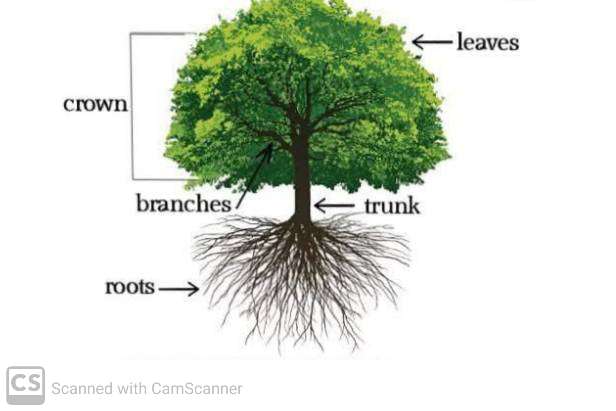
PARTS OF A TREE
There are three parts of tree like leaves, trunks, and roots.and the other parts is branches and crown
Published from Blogger Prime Android App

TREE HISTORY
When a tree is chopped down ate the stump, it's rings become visible.Each ring represents 1 year of growth, and gives ideas of what the whether was like during each year of the trees life 
Published from Blogger Prime Android App
Factors for the rise of Mali empire
Published from Blogger Prime Android App
The Mali Empire (c. 1235–1600) was one of the greatest West African empires, known for its wealth, strong leadership, and influence on trade, culture, and education.

The Mali Empire (c. 1235–1600) rose to power due to several key factors:

1. Strategic Location & Trade – Mali was located along trans-Saharan trade routes, allowing it to control and profit from the trade of gold, salt, and other goods. Towns like Timbuktu and Gao became major commercial centers.
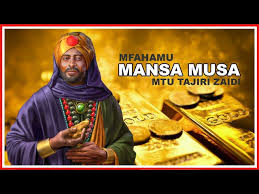
2. Strong Leadership – Leaders like Sundiata Keita (the founder) and Mansa Musa expanded the empire and strengthened governance. Mansa Musa's pilgrimage to Mecca (1324) showcased Mali’s wealth and influence globally.
3. Military Strength – Mali had a strong and well-organized army that helped conquer neighboring territories, including Ghana, and defend its wealth.
4. Agriculture & Natural Resources – Fertile lands along the Niger River supported farming, boosting food security and population growth. Gold mines in Bambuk and Bure provided immense wealth.
5. Islamic Influence & Education – Mali became a center of Islamic learning, with institutions like the University of Sankore in Timbuktu. Islam also facilitated trade and diplomacy with North Africa and the Middle East.
6. Efficient Administration – The empire had a well-structured government with provinces ruled by governors. Local chiefs paid tribute to the central authority, maintaining stability.

These factors combined to make Mali one of the wealthiest and most powerful empires in African history.

The Mali Empire had significant effects on West Africa and beyond, influencing trade, culture, education, and governance. Here are some of the key effects:

1. Economic Impact

i.Expansion of Trade: Mali controlled the trans-Saharan trade routes, making it a hub for gold, salt, ivory, and slaves. This boosted the regional economy and connected West Africa to North Africa and the Middle East.

ii.Wealth & Prosperity: The empire’s vast gold reserves made it one of the richest civilizations of its time. Cities like Timbuktu, Djenné, and Gao flourished as economic centers.

iii.Introduction of Currency: The use of gold dust and cowrie shells as currency helped standardize trade across the empire.

2. Cultural & Religious Influence

i.Spread of Islam: Islam became more widespread, influencing governance, education, and daily life. Many rulers, including Mansa Musa, promoted Islamic scholarship and built mosques.

ii.Blend of Traditions: While Islam spread, many indigenous African traditions and beliefs were preserved, leading to a unique cultural fusion.

iii.Influence on Art & Architecture: The construction of mosques and learning centers, such as the Great Mosque of Djenné, showcased Mali’s artistic and architectural achievements.

3. Educational & Intellectual Advancements

i.Growth of Learning Centers: Timbuktu became a major center of Islamic learning, attracting scholars from Africa and the Middle East.

ii.Establishment of Universities: Institutions like the University of Sankore preserved and advanced knowledge in subjects such as mathematics, astronomy, and law.

iii.Promotion of Literacy: The use of Arabic for religious and administrative purposes encouraged literacy among the elite.