Mar 29, 2025

Mar 27, 2025

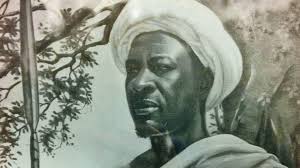
Historia ya Chifu Mkwawa

Published from Blogger Prime Android App

Historia ya Chifu Mkwawa

Chifu Mkwawa alikuwa kiongozi mashuhuri wa Wahehe aliyeongoza mapambano dhidi ya wakoloni wa Kijerumani katika eneo la Tanganyika mwishoni mwa karne ya 19.

Jina na Asili

Jina lake kamili lilikuwa Mkwavinyika Munyigumba Mwamuyinga. Alizaliwa mnamo mwaka 1855 na alikuwa mtoto wa Chifu Munyigumba, kiongozi wa kabila la Wahehe. Baada ya kifo cha baba yake mwaka 1879, Mkwawa alichukua uongozi na kuimarisha himaya ya Wahehe.

Mapambano Dhidi ya Wajerumani

Mnamo 1891, Wajerumani walipoanza kuingia Tanganyika na kutaka kutawala himaya ya Wahehe, Mkwawa alipinga kwa nguvu. Aliongoza Wahehe katika vita mashuhuri vya Lugalo mnamo Agosti 17, 1891, ambapo alishinda jeshi la Wajerumani na kuua kiongozi wao, Emil von Zelewski. Ushindi huu uliwafanya Wahehe kuwa tishio kubwa kwa wakoloni.

Baada ya kushindwa kwao Lugalo, Wajerumani walijipanga upya na mnamo 1894 walianza kampeni kubwa ya kumwangamiza Mkwawa. Walitumia mbinu za kijeshi kali, ikiwa ni pamoja na kuwashambulia Wahehe na kuharibu miji yao. Mkwawa aliendelea kupigana na Wajerumani kwa takriban miaka minne, akitumia mbinu za vita vya msituni.

Kifo cha Mkwawa

Mnamo Julai 19, 1898, baada ya kuzidiwa nguvu na Wajerumani waliomzingira, Mkwawa aliamua kujiua badala ya kukamatwa. Alijipiga risasi kichwani katika pango karibu na Iringa. Baada ya kifo chake, Wajerumani walimkata kichwa na kukipeleka Ujerumani kama ukumbusho wa ushindi wao.

Urithi na Kurudishwa kwa Fuvu la Kichwa Chake

Baada ya Vita Kuu ya Pili ya Dunia, katika makubaliano ya kurejesha heshima kwa viongozi wa Kiafrika waliopigana dhidi ya ukoloni, fuvu la Mkwawa lilirudishwa Tanganyika kutoka Ujerumani mnamo 1954. Sasa linahifadhiwa katika Makumbusho ya Mkwawa huko Kalenga, Iringa.

Umuhimu wa Mkwawa Katika Historia

  • Alikuwa kiongozi shupavu aliyepigania uhuru wa Wahehe dhidi ya ukoloni.
  • Ushindi wake katika Vita vya Lugalo ulionyesha kuwa Waafrika waliweza kuwashinda Wazungu vitani.
  • Alikuwa mfano wa mapambano ya uhuru, na jina lake linaheshimiwa katika historia ya Tanzania.

Mkwawa anabaki kuwa shujaa wa Tanzania, mwenye mchango mkubwa katika harakati za kupinga ukoloni.
Mar 26, 2025

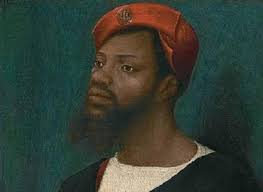
GHANA EMPIRE UNDER TUNKA MANINI

Published from Blogger Prime Android App

The Ghana Empire (c. 300–1100 AD) was a powerful West African kingdom located in present-day southeastern Mauritania, western Mali, and eastern Senegal. It was one of the earliest and most influential African empires, thriving due to its control over trans-Saharan trade routes.The most famous leader who ever ruled the Ghana Empire was Tunka Manin (who ruled about 1062 - 1076).

The rise of the Ghana Empire was influenced by several key factors, including geography, trade, leadership, and military strength. Below are the main factors that contributed to its rise:


1. Strategic Location


Ghana was located between the Sahara Desert and the savanna region, making it a natural hub for trade between North and West Africa.


Its position allowed it to control and tax trade routes, especially those carrying gold and salt.


2. Control of Trade


Ghana had vast gold reserves, making it one of the richest kingdoms in West Africa.


It controlled important trans-Saharan trade routes, where goods like gold, salt, ivory, and slaves were exchanged for textiles, horses, and weapons from North Africa.


The introduction of camels by Berber traders improved long-distance trade.


3. Strong and Centralized Government


The king (Ghana) had absolute power and controlled the trade and military.


The government efficiently collected taxes from traders, further enriching the empire.


Local chiefs and officials helped manage different regions, ensuring stability.


4. Powerful Military


Ghana maintained a well-trained army to protect its trade routes and enforce laws.


The military was used to expand territory and control surrounding tribes, increasing Ghana’s influence.


The use of iron weapons gave them a technological advantage over neighboring societies.


5. Agricultural Prosperity


The empire had fertile lands suitable for farming, providing enough food to sustain its growing population.


Surplus food allowed people to focus on other activities like trade, crafts, and administration.


6. Influence of Islam


Although Ghana’s rulers initially followed traditional African religions, interaction with Muslim traders introduced Islam.


The adoption of Arabic writing and administration techniques helped improve governance and trade relations with North Africa.


7. Tribute from Conquered Lands


Ghana expanded by conquering smaller states and making them pay tribute in gold, slaves, and other goods.


This system increased Ghana’s wealth and influence in West Africa.


The Ghana Empire had a lasting impact on West Africa, influencing trade, culture, governance, and regional power dynamics. Below are some of the major effects of the empire:

1. Economic Impact

  • Expansion of Trade: Ghana controlled trans-Saharan trade routes, facilitating the exchange of gold, salt, ivory, and slaves with North African and Middle Eastern merchants.
  • Introduction of Currency and Taxation: The empire imposed taxes on trade and developed a system for controlling the flow of gold, strengthening its economy.
  • Growth of Markets and Cities: Trading centers like Koumbi Saleh became prosperous, attracting merchants from different parts of Africa and beyond.

2. Political and Administrative Influence

  • Centralized Government: Ghana’s system of governance, where a powerful king ruled with local chiefs, influenced later West African empires like Mali and Songhai.
  • Use of Military for Expansion: The empire set a precedent for using a strong military to control trade routes and expand territory.

3. Cultural and Religious Influence

  • Spread of Islam: Ghana’s interactions with Muslim traders introduced Islam, which later became dominant in the region, influencing administration, education, and architecture.
  • Cultural Exchange: The empire was a melting pot of different cultures, integrating African traditions with Islamic influences.

4. Social Impact

  • Class System: Ghana’s society was structured, with the king and nobility at the top, followed by traders, artisans, farmers, and enslaved people.
  • Growth of Urbanization: Major cities flourished due to trade and governance, leading to more organized societies.

5. Influence on Successor Kingdoms

  • Ghana’s decline led to the rise of the Mali Empire, which inherited many of its trade networks and governance structures.
  • Later empires, including Songhai, built on Ghana’s legacy of economic and political organization.

Conclusion

The Ghana Empire played a crucial role in shaping the history of West Africa. It established trade networks, influenced governance, spread Islam, and laid the foundation for future empires. Its legacy can still be seen in the region’s cultural and economic history today.


           msomihurutzblog.blogspot.com

GLOBALIZATION AND THEIR EFFECT
Globalization.  It is a process that describes how nations, cultures, economies, and technologies are becoming more connected and more closely related.

 Aspects of Globalization
 1. Economic Globalization – International trade, foreign investment, and the movement of goods and services from one country to another.

 2. Cultural Globalization – The fusion of cultures through media, music, fashion, and the Internet.

 3. Political Globalization – International cooperation through organizations like the United Nations (UN) and diplomatic agreements.

 4. Technological Globalization – The spread of technology like the internet, cell phones, and scientific inventions around the world.

Globalization has many benefits in different aspects of human life.  Here are some of its main advantages:

 1. Economic Development
Free trade makes it easier to sell goods and services around the world.
Foreign investment increases employment and industrial growth.
Economic cooperation helps countries acquire new resources and technologies.


 2. Development of Technology and Science
 Ease of access to new technologies from developed countries.
 Scientific discoveries are growing rapidly because of international cooperation.
Communication has improved through the internet and modern phones.


 3. Cultural Exchange
Different cultures can learn from each other through movies, music, literature, and lifestyles.
 Various languages, such as English and Chinese, are widespread and support international communication.
 Tourism has flourished, helping people discover and enjoy different cultures.


 4. Facilitation of Communication

 The Internet and social networks facilitate fast and inexpensive communication.
 News is spreading faster, so people are getting information about world events in real time.


 5. Social Development and Education
 Facilitating access to education through international programs and online courses.
 International cooperation supports health, education, and community development projects.
 Better health services are easily available through modern technologies like telemedicine.

 6. International Cooperation
 Countries can work together to solve challenges like climate change, terrorism, and pandemics.
 International organizations like the UN, WHO, and IMF help promote development and peace in the world.
 Globalization has a positive impact on the world, but it also has its challenges. 

Globalization, despite having many benefits, also has negative effects that can affect society, economy, and culture in various ways.  Here are some of its main effects:

 1. Undermining Native Culture

  •  Indigenous culture is lost because foreign cultures are given priority.
  •  Native languages ​​may disappear due to the spread of international languages ​​such as English and Chinese.
  •  Traditional traditions and customs are being changed or lost due to the influence of other nations' lifestyles.
 2. Increasing Poverty and Capitalism
  •  Rich countries benefit more while poor countries continue to rely on aid.
  •  Large international companies compete with small local businesses, weakening the local economy.
  • Many workers in developing countries are paid low wages and work in harsh conditions.
 3. Environmental Damage
  •  Factories that produce products in large quantities increase the pollution of air, water, and land.
  •  Forests are cut down for commercial agriculture and the construction of large cities.
  •  Ocean pollution is increasing due to waste from developed countries.
 4. Neocolonialism
  •  Big nations use globalization to interfere in the politics and economy of smaller nations.
  •  The resources of developing countries are taken by powerful nations through unfair deals.
  •  Dependence on aid from rich nations can undermine domestic development.
 5. Prevalence of Crime and Social Problems
  •  Cybercrime has increased, including hacking, hacking, and identity theft.
  •  Illegal trade such as drugs and human trafficking has improved due to the ease of transportation and communication.
  •  Social values ​​are declining due to the proliferation of inappropriate content on the internet and media.
 6. Spread of Intermittent Diseases
  •  Diseases like COVID-19 have spread rapidly due to international travel.
  •  Access to treatment is unequal, as rich nations have better resources than poor nations.
 Globalization has benefits, but its effects can be controlled by better national policies and international cooperation.  Would you like to discuss how to reduce these effects?

Reducing the effects of globalization requires joint efforts from governments, communities, organizations, and individuals.  Here are some ways to reduce its effects:

 1. Protecting and Promoting Native Culture

 ✔ The government and society should encourage the use of native languages ​​through education and the media.
 ✔ To develop art, music, clothing, and indigenous traditions to ensure they are preserved for future generations.
 ✔ Adding local content to networks and media to compete with foreign culture.

 2. Controlling Capitalism and Supporting the Domestic Economy

 ✔ Governments should put in place policies that protect small and medium businesses against large international corporations.
 ✔ People should be educated on the importance of buying local products instead of relying on foreign products.
 ✔ Investment in local industries to increase employment and reduce dependence on foreign products.

 3. Protecting the Environment

 ✔ Strengthen laws to control environmental pollution from industries and international businesses.
 ✔ Encouraging the use of renewable energy such as solar and wind to reduce air pollution.
 ✔ Establish strict policies on deforestation and forest conservation to reduce environmental damage.

 4. Reducing Dependence on Rich Countries

 ✔ Developing countries should focus on the production of their products instead of importing everything.
 ✔ Strengthen education and technology systems to increase economic and technological independence.
 ✔ Building economic cooperation between developing countries to reduce dependence on powerful nations.

 5. Combating Cybercrime and Illegal Trade

 ✔ Enhancing cyber security by enforcing strict laws against hacking and fraud.
 ✔ Increase cyber security education for citizens so they can protect themselves against digital crime.
 ✔ International cooperation in combating illegal trade such as drug and human trafficking.

 6. Preventing the Spread of Communicable Diseases

 ✔ Strengthen health systems to control diseases that spread rapidly due to international travel.
 ✔ Increasing international cooperation in early detection and distribution of vaccines and treatments.
 ✔ Encouraging good hygiene and health habits to reduce the spread of diseases.
 Reducing the effects of globalization requires the cooperation of all sectors, from governments to ordinary citizens.