
Kwa wimbo wa kufundishia KUHESABU namba utaupata hapa

.jpeg)
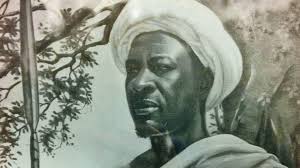
Chifu Mkwawa alikuwa kiongozi mashuhuri wa Wahehe aliyeongoza mapambano dhidi ya wakoloni wa Kijerumani katika eneo la Tanganyika mwishoni mwa karne ya 19.
Jina lake kamili lilikuwa Mkwavinyika Munyigumba Mwamuyinga. Alizaliwa mnamo mwaka 1855 na alikuwa mtoto wa Chifu Munyigumba, kiongozi wa kabila la Wahehe. Baada ya kifo cha baba yake mwaka 1879, Mkwawa alichukua uongozi na kuimarisha himaya ya Wahehe.
Mnamo 1891, Wajerumani walipoanza kuingia Tanganyika na kutaka kutawala himaya ya Wahehe, Mkwawa alipinga kwa nguvu. Aliongoza Wahehe katika vita mashuhuri vya Lugalo mnamo Agosti 17, 1891, ambapo alishinda jeshi la Wajerumani na kuua kiongozi wao, Emil von Zelewski. Ushindi huu uliwafanya Wahehe kuwa tishio kubwa kwa wakoloni.
Baada ya kushindwa kwao Lugalo, Wajerumani walijipanga upya na mnamo 1894 walianza kampeni kubwa ya kumwangamiza Mkwawa. Walitumia mbinu za kijeshi kali, ikiwa ni pamoja na kuwashambulia Wahehe na kuharibu miji yao. Mkwawa aliendelea kupigana na Wajerumani kwa takriban miaka minne, akitumia mbinu za vita vya msituni.
Mnamo Julai 19, 1898, baada ya kuzidiwa nguvu na Wajerumani waliomzingira, Mkwawa aliamua kujiua badala ya kukamatwa. Alijipiga risasi kichwani katika pango karibu na Iringa. Baada ya kifo chake, Wajerumani walimkata kichwa na kukipeleka Ujerumani kama ukumbusho wa ushindi wao.
Baada ya Vita Kuu ya Pili ya Dunia, katika makubaliano ya kurejesha heshima kwa viongozi wa Kiafrika waliopigana dhidi ya ukoloni, fuvu la Mkwawa lilirudishwa Tanganyika kutoka Ujerumani mnamo 1954. Sasa linahifadhiwa katika Makumbusho ya Mkwawa huko Kalenga, Iringa.
Mkwawa anabaki kuwa shujaa wa Tanzania, mwenye mchango mkubwa katika harakati za kupinga ukoloni.
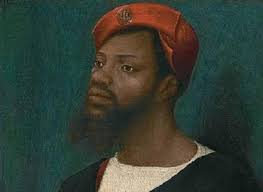
The Ghana Empire (c. 300–1100 AD) was a powerful West African kingdom located in present-day southeastern Mauritania, western Mali, and eastern Senegal. It was one of the earliest and most influential African empires, thriving due to its control over trans-Saharan trade routes.The most famous leader who ever ruled the Ghana Empire was Tunka Manin (who ruled about 1062 - 1076).
The rise of the Ghana Empire was influenced by several key factors, including geography, trade, leadership, and military strength. Below are the main factors that contributed to its rise:
1. Strategic Location
Ghana was located between the Sahara Desert and the savanna region, making it a natural hub for trade between North and West Africa.
Its position allowed it to control and tax trade routes, especially those carrying gold and salt.
2. Control of Trade
Ghana had vast gold reserves, making it one of the richest kingdoms in West Africa.
It controlled important trans-Saharan trade routes, where goods like gold, salt, ivory, and slaves were exchanged for textiles, horses, and weapons from North Africa.
The introduction of camels by Berber traders improved long-distance trade.
3. Strong and Centralized Government
The king (Ghana) had absolute power and controlled the trade and military.
The government efficiently collected taxes from traders, further enriching the empire.
Local chiefs and officials helped manage different regions, ensuring stability.
4. Powerful Military
Ghana maintained a well-trained army to protect its trade routes and enforce laws.
The military was used to expand territory and control surrounding tribes, increasing Ghana’s influence.
The use of iron weapons gave them a technological advantage over neighboring societies.
5. Agricultural Prosperity
The empire had fertile lands suitable for farming, providing enough food to sustain its growing population.
Surplus food allowed people to focus on other activities like trade, crafts, and administration.
6. Influence of Islam
Although Ghana’s rulers initially followed traditional African religions, interaction with Muslim traders introduced Islam.
The adoption of Arabic writing and administration techniques helped improve governance and trade relations with North Africa.
7. Tribute from Conquered Lands
Ghana expanded by conquering smaller states and making them pay tribute in gold, slaves, and other goods.
This system increased Ghana’s wealth and influence in West Africa.
The Ghana Empire had a lasting impact on West Africa, influencing trade, culture, governance, and regional power dynamics. Below are some of the major effects of the empire:
The Ghana Empire played a crucial role in shaping the history of West Africa. It established trade networks, influenced governance, spread Islam, and laid the foundation for future empires. Its legacy can still be seen in the region’s cultural and economic history today.


.jpeg)


.jpeg)


.jpeg)


.jpeg)


.jpeg)


.jpeg)


