Jan 1, 2025

ORDINARY LEVEL BIOLOGY NOTES

 Pata notes za secondary kwa kidato cha kwanza hadi cha nne kupitia msomihurutz blog kwa kubofya link hapo chini

BIOLOGY NOTES FOR FROM ONE

http://www.msomibora.com/2018/07/biology-notes-for-form-one.html

BIOLOGY NOTES FOR FROM TWO

http://www.msomibora.com/2018/07/biology-notes-for-form-two.html

BIOLOGY NOTES FOR FROM THREE

http://www.msomibora.com/2018/07/biology-notes-for-form-three.html

BIOLOGY NOTES FOR FROM FOUR

http://www.msomibora.com/2018/07/biology-notes-for-form-four.html

Dec 31, 2024

CONCEPT OF GEOGRAPHY

 **Geography** is the study of places and the relationships between people and their environments. It encompasses both the physical properties of Earth's surface and the human societies spread across it. Geographers explore how human culture interacts with the natural environment and how locations and places can impact people¹².


Key concepts in geography include:


1. **Location**: Understanding where things are located on Earth. This can be absolute (using coordinates) or relative (describing a place in relation to other places).


2. **Place**: The physical and human characteristics that make a location unique. This includes natural features like mountains and rivers, as well as human-made features like buildings and roads.


3. **Human-Environment Interaction**: How humans adapt to and modify their environment. This includes studying the impacts of human activities on the environment and how environmental changes affect human life.


4. **Movement**: The study of how people, goods, and ideas move from one place to another. This includes migration, trade, and the spread of cultural practices.


5. **Region**: Areas that are defined by certain unifying characteristics, which can be physical, human, or a combination of both. Regions help geographers categorize and analyze spatial information.


 GENERAL: Geography is the study about man and its environment 


Geography is broadly divided into two main branches: **human geography** and **physical geography**. Each of these branches has several subfields:


### Human Geography

This branch focuses on the study of human activities and their relationship with the environment. Key subfields include:

- **Cultural Geography**: Examines cultural practices, languages, and religions.

- **Economic Geography**: Studies economic activities, industries, and trade.

- **Political Geography**: Analyzes political boundaries, governance, and geopolitical issues.

- **Population Geography**: Looks at population distribution, density, and demographics.

- **Urban Geography**: Focuses on cities, urbanization, and urban life.

- **Social Geography**: Investigates social structures and their spatial implications¹².


### Physical Geography

This branch deals with the natural environment and physical processes. Key subfields include:

- **Geomorphology**: Studies landforms and the processes that shape them.

- **Climatology**: Examines climate patterns and their effects.

- **Hydrology**: Focuses on water bodies and the hydrological cycle.

- **Biogeography**: Looks at the distribution of plants and animals.

- **Soil Geography**: Studies soil types and their distribution¹².


### Integrated Geography

Also known as environmental geography, this branch bridges human and physical geography to study the interactions between humans and their environment¹².


### Regional Geography

This branch focuses on specific regions of the world to understand their unique characteristics and how they differ from other regions¹².


Studying **geography** is important for several reasons:


1. **Understanding the Earth**: Geography helps us understand the physical features of the planet, such as landforms, climates, and ecosystems. This knowledge is crucial for comprehending natural phenomena and the Earth's history¹².


2. **Environmental Awareness**: With growing concerns over climate change and environmental degradation, geography provides the foundation for understanding and addressing these issues. It helps us appreciate the intricate web of ecosystems and the impact of human activities on the environment².


3. **Cultural Diversity**: Geography explores the various cultures around the world and how they are influenced by their environments. This understanding fosters greater appreciation and respect for cultural diversity².


4. **Global Connectivity**: In our interconnected world, geography helps us understand global trade, migration, and communication networks. It explains how different regions are linked and how global interdependence has grown².


5. **Urban Planning**: Geography is essential for effective urban planning and development. It helps planners design cities that are sustainable and resilient to environmental challenges².


6. **Disaster Management**: Geographic knowledge is vital for disaster preparedness and response. Understanding the physical and human geography of an area can help mitigate the impacts of natural disasters².


7. **Geopolitics**: Geography plays a crucial role in international relations and geopolitics. It helps us understand the strategic importance of different regions and the spatial dimensions of political power².


8. **Economic Development**: Geography informs economic activities by identifying the best locations for agriculture, industry, and trade. It helps in understanding the distribution of resources and the economic potential of different areas².


By studying geography, we gain a comprehensive understanding of the world and our place in it, which is essential for making informed decisions and addressing global challenges.


SOLAR SYSTEM

The **solar system** is a fascinating and complex structure. It consists of the Sun and all the objects that orbit it, including eight planets, their moons, dwarf planets, comets, asteroids, and other celestial bodies. Here are some key points:


1. **The Sun**: At the center of our solar system, the Sun is a G-type main-sequence star that provides the necessary heat and light for life on Earth¹.

2. **Planets**: There are eight planets divided into two categories:

   - **Terrestrial planets**: Mercury, Venus, Earth, and Mars, which have solid, rocky surfaces.

   - **Gas giants and ice giants**: Jupiter and Saturn (gas giants), Uranus and Neptune (ice giants), which are composed mainly of gases and liquids¹.

3. **Dwarf Planets**: These include Pluto, Eris, Haumea, Makemake, and Ceres².

4. **Moons**: Our solar system has over 200 known moons orbiting the planets².

5. **Other Objects**: There are also numerous comets, asteroids, and meteoroids scattered throughout the solar system³.


The solar system formed about 4.6 billion years ago from the gravitational collapse of a region within a large molecular cloud¹. It's located in one of the spiral arms of the Milky Way galaxy, known as the Orion Spur².


Dec 29, 2024

SHIRIKA LA NASA LAWEKA REKODI

Chombo cha anga za juu cha cha Marekani NASA kilichotengenezwa kinajaribu kuweka historia kwa kukaribia zaidi kwenye jua. Kifaa hicho kitakuwa kinakwenda kwa kasi zaidi kuliko kitu chochote kilichoundwa na binadamu, kwani kitakuwa na kasi ya 430,000 Mph, sawa na kuruka kutoka London hadi New York chini ya sekunde 30.


Chombo cha Parker Solar Probe kitatumika kuingia katika anga hewa ya nje ya sayari ya dunia yetu ambayo inazunguka jua kwa kitaalam hewa hiyo inaitwa CORONA, ambapo kifaa hicho kitastahimili halijoto kali na mionzi mikali ya jua.


Mbele ya kifaa hicho kinalindwa na ngao yenye unene wa 11.5cm (inchi 4.5) yenye mchanganyiko wa kaboni lakini mbinu ya chombo hicho ni kuingia na kutoka kwa haraka kwenye angahewa ya jua inayojulikana kama CORONA.


Dr. Nicola Fox, mkuu wa sayansi kutoka NASA, anasema; "kwa karne nyingi, watu wamejifunza jua, lakini hupati uzoefu wa mazingira ya mahali hadi utalitembelea, na kwa hivyo hatuwezi kuona anga ya nyota yetu isipokuwa tukipitia."


Kifaa cha Parker Solar Probe kilizinduliwa mwaka 2018, kuelekea katikati mwa mfumo wa jua. Tayari kifaa hicho kimepita jua mara 21, kikikaribia zaidi, lakini kwa mara hii wakati watu wakiwa kwenye mkesha wa krismasi awamu hii itakuwa ni ya kuvunja rekodi.


Nicola Fox wa NASA anasema: "tuko maili milioni 93 kutoka kwenye jua, kwa hivyo nikiweka jua na dunia umbali wa mita moja, kifaa cha Parker Solar Probe kiko sentimita nne kutoka kwenye jua, kwa hiyo ni karibu." Uchunguzi utalazimika kustahimili halijoto ya 1,400c na mionzi ambayo inaweza kufifisha kielektroniki cha ndani.


Dec 28, 2024

SEHEMU ZENYE MASALIA YA KALE NCHINI TANZANIA
Published from Blogger Prime Android App

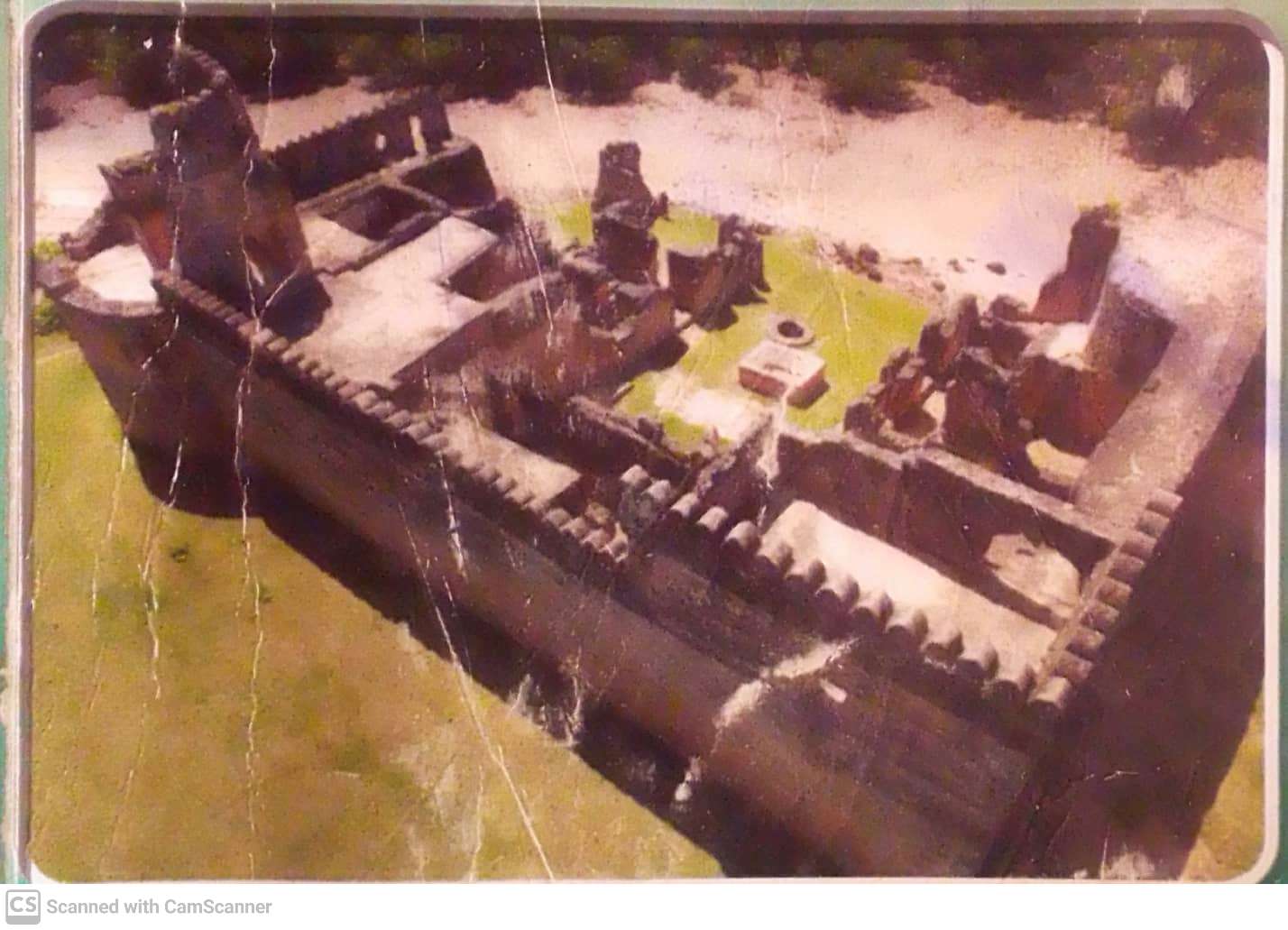
Katika Tanzania kuna baadhi ya maeneo yenye masalia ya kale kama vile
1.OLDUPAI(ARUSHA)
Neno oldupai ni neno lililotokana na kimasai likimaanisha katani kutokana na mwanaakiolojia kushindwa kutamka kama OLDUVAI GORGE, Hili ni eneo ambalo mwanaakiolojia Dkt Louis Leakey na mkewe Dkt Marry Leakey waligundua fuvu la binadamu wa kale lililoitwa Zinjanthropus liligunduliwa mwaka 1959

2.ENGALUKA(ARUSHA)
Hii ni sehemu ambayo masalia ya mifumo ya Kilimo cha umwagiliaji iliyotumika na watu wa kale ilihifadhiwa

3.AMBONI(TANGA)
Hii ni sehemu maarufu kwa kumbukumbu ya urithi wa historia ya Tanzania kwa kuwa na mapango mkubwa yenye maumbo mbalimbali ya kihistoria

4.ISIMILA(IRINGA)
Hili ni eneo lenye masalia ya zana za mawe za mwanzo zilizotumika na wakazi wa eneo hili

5.KILWA KISIWANI(LINDI)
Sehemu hii ni maarufu kwa kuwa na majengo ya kihistoria yaliyojengwa na waarabu ikiwemo misikiti

6.KAOLE NA MJI MKONGWE WA BAGAMOYO(PWANI)
Hili ni eneo la kihistoria ambapo hutunzwa kumbukumbu za kihistoria za mabaki ya masalia ya majengo ya misikiti na vito vya thamani kutokana Mashariki ya mbali na Asia.

7.KONDOA IRANGI(DODOMA)
Sehemu hii ni maarufu kwa kuwa na michoro mbalimbali ya mapangoni iliyochorwa katika miamba

Dec 25, 2024

ZANZIBAR REVOLUTION
Published from Blogger Prime Android App
The Zanzibar Revolution took place on January 12, 1964, and led to the overthrow of the Sultan of Zanzibar, Jamshid bin Abdullah, and his predominantly Arab government by the island's majority Black African population¹². This revolution was spearheaded by the Afro-Shirazi Party (ASP) and led by John Okello¹².

The revolution resulted in significant violence, with estimates of the death toll ranging from several hundred to 20,000 people¹². Many Arabs and South Asians were killed, and their properties were looted. The revolution also led to the establishment of the People's Republic of Zanzibar, with Abeid Karume becoming the new president¹².

This event was a pivotal moment in Zanzibar's history, leading to its eventual union with Tanganyika to form the United Republic of Tanzania in April 1964².

The Zanzibar Revolution was driven by several key factors:

1. **Ethnic and Racial Tensions**: The Arab minority, which had historically held power and wealth, dominated the political and economic landscape, leading to significant resentment among the African majority¹².

2. **Political Exclusion**: Despite winning a majority of the votes in the 1963 elections, the Afro-Shirazi Party (ASP), representing the African population, was underrepresented in the government due to the electoral system favoring the Arab minority¹².

3. **Economic Inequality**: The Arab elite controlled much of the land and wealth, while the African population faced poverty and limited economic opportunities¹².

4. **Colonial Legacy**: The British colonial administration had maintained the status quo, allowing the Arab minority to continue exploiting the African majority even after the abolition of slavery².

5. **Fear of Repression**: There were fears among the African population that the Arab government planned to further marginalize and oppress them³.

These factors culminated in the revolution on January 12, 1964, leading to the overthrow of the Sultan and the establishment of the People's Republic of Zanzibar¹².

The Zanzibar Revolution had several significant effects:

1. **Political Change**: The revolution led to the overthrow of the Sultanate and the establishment of the People's Republic of Zanzibar, with Abeid Karume as the president. This marked the end of Arab dominance and the beginning of African leadership in Zanzibar.

2. **Union with Tanganyika**: In April 1964, Zanzibar merged with Tanganyika to form the United Republic of Tanzania. This union aimed to stabilize the region and prevent further conflicts.

3. **Social and Demographic Impact**: The revolution resulted in the deaths of many Arabs and South Asians, and significant numbers of these communities fled the island. This led to a demographic shift and changes in the social fabric of Zanzibar.

4. **Economic Changes**: The new government implemented policies to redistribute land and wealth, aiming to reduce economic disparities. However, these changes also led to economic challenges and disruptions.

5. **International Relations**: The revolution and subsequent union with Tanganyika influenced Zanzibar's foreign policy, aligning it more closely with socialist and non-aligned movements during the Cold War.

These effects reshaped Zanzibar's political, social, and economic landscape, leaving a lasting legacy on the island and its people.


UJASIRIAMALI

UJASIRIAMALI

Published from Blogger Prime Android App

UJASIRIAMALI:
Ni kitendo cha uwekezaji mtaji katika shughuli za biashara ili kuweza kupata faida

Mgawanyo wa makundi ya ujasiria mali
Mgawanyo katika makundi haya umefanywa kutokana na idadi ya wafanyakazi na kiasi cha mtaji anachomiliki mjasiriamali biashara kama ifuatavyo

1.Ujasiriamali biashara mdogo mdogo:kundi hili linawafanyakazi wasiozidi wanne na mtaji usiozidi shilingi milioni tano.
2.Ujasiriamali biashara mdogo: kundi hili linawafanyakazi watano hadi 49 na mtaji wa kuanzia milioni tano hadi milioni mia mbili.
3.Ujasiriamali biashara wa kati: hili ni kundi lenye wafanyakazi kati ya 50 hadi 99 na wenye mtaji wa zaidi ya shilingi milioni mia mbili hadi milioni mia nane
4.Ujasiriamali biashara mkubwa: Kundi hili linawafanyakazi 100 na zaidi na mtaji wa zaidi ya shilingi milioni mia nane.

SIFA ZA MJASIRIAMALI
Zipo sifa zinazomfanya mtu kuwa mjasiriamali. Sifa hizi ni kama ifuatavyo;
1.Awe mtu mwenye maono na anayetimiza ndoto yake mwenyewe
2.Awe na uwezo wa kuwashawishi wengine kununua bidhaa au huduma anayoitoa.
3.Awe mtu mbunifu anayeweza kutatua changamoto na matatizo yanayoikabili jamii inayohusika.
4.Awe ni mtu mwenye uwezo wa kuwasikiliza wateja wake na kuwahudumia kwa kadri ya mahitaji yao
5.Awe na uwezo wa kuyatambua mahitaji ya jamii na kuyatimiza kwa kuanzisha biashara itakayokudhi mahitaji husika.
6.Awe ni mtu mwenye uthubutu wa kufanya kitu anachofikiria kwa vitendo.
7.Awe ni mtu mwenye ujasiria wa kufanya maamuzi kwa wakati na kuyasimamia
8.Awe ni mtu anayeweza kubadilika kulingana na mazingira
9.Awe mchapakazi na anayejituma
10.Awe mpambanaji

FAIDA ZA UJASIRIAMALI 
Zipo faida nyingi za kuwa mjasiriamali
1.Kufanya shughuli unayoipenda
2.Kutumia vipaji vyako vizuri kwa sababu utakuwa mbunifu kila wakati
3.Kujiongoza na kijisimamia mwenyewe badala ya kusimamiwa na kuongozwa na mtu
4.Kujipatia kipato binafsi na familia yako
5.Kupata ajira na kutoa fursa za ajira kwa wengine
6.Kupata rasilimali ambazo unaweza kurithusha watoto
7.Kutumia ipasavyo rasilimali zinazopatikana katika mazingira
8.Kutoa bidhaa na huduma wanazizihitaji wengine
9.Kuchangia ukuaji wa uchumi na kupunguza umaskini kwenye jamii na Taifa
10.Kupunguza tofauti za maendeleo baina ya watu, mikoa na nchi kwani biashara hukuza uchumi wa mtu binafsi na Taifa kwa ujumla

Mambo muhimu ya kuzingatia kabla ya kuanza ujasiriamali biashara
1.kuwa na wazo la kibiashara
2.Fanya utafiti wa wazo lako na mahali unapofanyia ujasiriamali
3.Andaa mpango wa biashara
4.Fahamu mahitaji ya wateja wako
5.Jifunze kuhudumia watu
6.Jenga tabia ya kujifunza vitu vipya
7.Zingatia masuala ya kisheria
8.Kujiamini kwa kile unachitaka kufanya
9.Pata elimu ya masuala ya fedha
NB:tumia washauri wenye uwezo kupata maelezo kuhusu yafuatayo:
(a)kiasi cha fedha unachohitaji ili kuanzisha biashara inayohusika
(b) kiasi cha fedha utakachohitaji kama gharama za uendeshaji
(c) Biashara yako itatengeneza faida kiasi gani
(d)Utauza kiasi gani kabla ya kupata faida

CHANGAMOTO ZINAZOWAKABILI WAJASIRIAMALI BIASHARA WADOGOWADOGO NA WADOGO WA TANZANIA 
1.Upungufu wa mtaji wa kufanya ujasiriamali biashara
2.Kutokuwa na soko la uhakika la bidhaa
3.Mahitaji kidogo ya bidhaa na huduma
4.Bei ndogo ya bidhaa na huduma zinazotolewa na wajasiriamali biashara
5.Gharama kubwa za kupata mukopo kwa ajili ya shughuli za ujasiriamali biashara
6.Urasimu kutoka kwenye namlaka zinazohusika na shughuli za ujasiriamali biashara
7.Ukosefu wa malighafi
8.Upungufu wa wataalamu wa kutengeneza bidhaa na kutoa huduma
9.Kutokuwa na maarifa ya kutosha juu ya kufanya ujasiriamali biashara kwa ufanisi
10.Kukosa taarifa muhimu zinazohusu wateja au masoko na bidhaa zinapatikana

Zipo Imani potofu kuhusu ujasiriamali biashara ambazo ni
1.ujasiriamali biashara ni kipaji cha kuzaliwa
2.Uwezo mkubwa wa kifedha
3.Wajasiriamali biashara ni watu waliofeli kielimu na kijamii
4.Ili ufanye biashara kwa mafanikio lazima usome masomo ya biashara
Njia za kukabuliana na changamoto zinazowakabili wajasiriamali biashara wa Tanzania
1.Serikali kuboresha huduma za wajasiriamali biashara.mfano uboreshaji wa miundombinu
2.Kuboresha mafunzo ya utengenezaji wa bidhaa mbalimbali mfano kutengeneza viatu,sabuni
3.Kupunguza urasimu katika maswala yanayohusu kufanya biashara
4.Kuboresha mifumo ya ulipaji kodi kwa wajasiriamali biashara
5.Kuimarisha soko la ndani na nje la bidhaa zinazozalishwa na wajasiriamali biashara wa Tanzania
6.Serikali kurahisisha upatikanaji wa mukopo
7.Serikali kudhibiti bidhaa na huduma feki

Baadhi ya changamoto ambazo mtu binafsi anatakiwa kukabiliananazo
1.Kutafuta elimu ya ujasiriamali kutegemeana na biashara unayoifanya
2.Kuanza biashara na mtaji mdogo kisha kuendeleza biashara kadri mtaji unavyokuwa
3.Kushirikiana na watu wenye fedha lakini hawana mawazo ya kufanya ujasiriamali biashara
4.Kujenga uaminifu kwa kutoa huduma bora na kutunza ahadi ili kuendelea kupata wateja
5.Kuuza bidhaa unayoendana na wakati na mahitaji ya mahali panapohusika
6.Kufanya utafiti wa kina kuhusu soko kabla ya kuzalisha au kununua na kuuza bidhaa, hii itaepusha kupata hasara
7.Kubuni njia za kuboresha bidhaa, huduma na usimamizi wa biashara kila wakati
8.Kutunza kumbukumbu sahihi na kamilifu za biashara yako ili kuelewa kinachoendelea na kutoa uamuzi sahihi 

Dec 24, 2024

Dec 20, 2024

TRIANGLE SLAVE TRADE
Published from Blogger Prime Android App
The Triangular Slave Trade**, also known as the **Transatlantic Slave Trade**, was a system of trade that involved three regions: Europe, Africa, and the Americas. Here's a concise overview of its causes and effects:

The **Triangular Slave Trade** was driven by several key factors:

1. **Economic Demand**: European colonies in the Americas required a large labor force to work on plantations growing cash crops like sugar, tobacco, and cotton. Enslaved Africans were seen as a solution to this labor shortage.

2. **Profit Motive**: The trade was highly profitable for European merchants and investors. They could buy enslaved people in Africa at a low cost and sell them at a high price in the Americas.

3. **European Expansion**: As European nations expanded their territories in the Americas, they needed more labor to exploit the resources of these new colonies.

4. **African Participation**: Some African leaders and merchants participated in the trade by capturing and selling people from rival communities or those captured in wars.

5. **Technological Advancements**: Improvements in shipbuilding and navigation made long sea voyages more feasible, facilitating the large-scale transport of enslaved people across the Atlantic.

The **Triangular Slave Trade** had profound and far-reaching effects on Africa, the Americas, and Europe. Here are some of the key impacts:

### Effects on Africa:
1. **Depopulation**: Millions of Africans were forcibly taken from their homes, leading to significant population loss, especially among young and able-bodied individuals¹.
2. **Social Disruption**: The trade caused widespread social instability, as communities were torn apart and traditional structures were disrupted¹.
3. **Economic Stagnation**: The loss of a large portion of the workforce hindered economic development and agricultural productivity in many regions¹.
4. **Increased Violence**: The demand for enslaved people fueled conflicts and wars among African states and communities, as they sought to capture and sell prisoners¹.

### Effects on the Americas:
1. **Economic Growth**: The labor of enslaved Africans was crucial to the economic development of the American colonies, particularly in the plantation economies of the Caribbean and the southern United States².
2. **Cultural Influence**: African cultures, traditions, and knowledge significantly influenced the cultural landscape of the Americas, contributing to music, cuisine, language, and religion².
3. **Social Stratification**: The establishment of a racial hierarchy and the systemic exploitation of enslaved people laid the foundations for long-lasting racial inequalities and social divisions².

### Effects on Europe:
1. **Wealth Accumulation**: European nations and merchants amassed great wealth from the trade, which helped finance the Industrial Revolution and further European expansion².
2. **Moral and Ethical Debates**: The brutality of the trade eventually sparked strong opposition and abolitionist movements, leading to the eventual end of the transatlantic slave trade².


Dec 19, 2024

BERLIN CONFERENCE

BERLIN CONFERENCE

The **Berlin Conference** of 1884-1885, also known as the **Berlin West Africa Conference**, was a significant event where European powers met to discuss and formalize their claims to African territory during the period of New Imperialism¹². The conference was organized by **Otto von Bismarck**, the Chancellor of Germany, and was attended by representatives from 14 countries¹.

### Key Points of the Berlin Conference:
1. **Regulation of Colonization and Trade**: The conference aimed to regulate European colonization and trade in Africa, particularly in the Congo River basin².
2. **General Act of Berlin**: This act declared the Congo River basin neutral, guaranteed freedom for trade and shipping, and forbade slave trading².
3. **Partition of Africa**: The conference is often seen as formalizing the "Scramble for Africa," where European powers divided the continent into spheres of influence¹³.
4. **Impact on Africa**: The decisions made at the conference led to increased colonial activity and significantly impacted the political and social structures of African societies¹.

The conference did not immediately set most of Africa's borders; many of these were established in the following decades¹. The outcomes of the Berlin Conference had long-lasting effects on the continent, contributing to the complex colonial history of Africa.

The **Berlin Conference** of 1884-1885 was primarily driven by several key factors:

1. **European Rivalries**: European powers were competing for control over African territories to expand their empires and secure resources¹².
2. **Economic Interests**: The industrial revolution increased the demand for raw materials and new markets, prompting European nations to seek control over African resources³.
3. **Strategic Concerns**: Control over certain regions in Africa was seen as strategically important for maintaining and expanding global influence².
4. **Humanitarian and Civilizing Missions**: Some European leaders, like King Leopold II of Belgium, promoted the idea of "civilizing" Africa, although this often masked economic and political motives¹.

These factors combined to create a situation where European powers felt the need to formalize their claims and avoid conflicts among themselves, leading to the Berlin Conference.

The **Berlin Conference** of 1884-1885 had profound and lasting impacts on Africa:

1. **Partition of Africa**: The conference formalized the division of Africa among European powers, leading to the establishment of colonial borders that often disregarded existing ethnic, cultural, and political boundaries¹².

2. **Colonial Rule**: The agreements made at the conference paved the way for increased European colonization, resulting in the exploitation of African resources and people¹³.

3. **Disruption of Societies**: Traditional social structures and governance systems were disrupted as European powers imposed their own administrative systems and values³.

4. **Economic Exploitation**: The colonial powers extracted vast amounts of resources from Africa, often with little regard for the well-being of local populations³.

5. **Cultural Impact**: The imposition of Western education, religion, and cultural practices eroded indigenous customs and traditions³.

6. **Long-term Conflicts**: The arbitrary borders drawn during the conference have contributed to ongoing conflicts and political instability in many African countries¹.

These impacts have shaped the historical and contemporary landscape of Africa, influencing its development and the challenges it faces today.


UFUNGAJI BORA WA KUKU
Published from Blogger Prime Android App
Ufugaji bora wa kuku unahitaji mbinu na uangalizi wa hali ya juu ili kuhakikisha uzalishaji mzuri na afya bora ya kuku wako. Hapa kuna baadhi ya vidokezo muhimu:

Kuku wanaweza kuathiriwa na magonjwa mbalimbali. Hapa kuna baadhi ya magonjwa ya kawaida ya kuku pamoja na dalili na tiba zake:

1. **Mdondo (Newcastle Disease)**:
   - **Dalili**: Kukohoa, kuhema kwa shida, ute kutoka mdomoni na puani, kizunguzungu, kuharisha kijani na njano, kuzubaa, na mabawa kushuka.
   - **Tiba**: Ugonjwa huu hauna tiba, lakini unaweza kuzuiwa kwa kuchanja kuku mara kwa mara².

2. **Kuharisha Damu (Coccidiosis)**:
   - **Dalili**: Kinyesi chenye damu, kudhoofika, mabawa kushuka.
   - **Tiba**: Dawa za sulphonamides (ESB3) au Amprolium kwa siku 3-4. Usafi wa banda ni muhimu kuzuia ugonjwa huu².

3. **Homa ya Matumbo (Fowl Typhoid)**:
   - **Dalili**: Uharo mweupe au wa kijani, vifo vya kuku, rangi ya minofu kuwa ya njano, viungo vya ndani kuvimba.
   - **Tiba**: Dawa za antibiotiki kama furazolidone. Usafi wa banda na vyombo vya kulishia ni muhimu².

4. **Mafua ya Kuku (Infectious Coryza)**:
   - **Dalili**: Kuvimba uso, macho kutoa machozi, kukohoa, na kupumua kwa shida.
   - **Tiba**: Dawa za antibiotiki kama sulfadimethoxine au erythromycin. Usafi wa banda na kutenga kuku wagonjwa ni muhimu¹.

5. **Ndui ya Kuku (Fowl Pox)**:
   - **Dalili**: Vidonda kwenye ngozi na mdomo, kupungua kwa uzito, na kushuka kwa uzalishaji wa mayai.
   - **Tiba**: Hakuna tiba maalum, lakini chanjo inaweza kusaidia kuzuia ugonjwa huu¹.

Ni muhimu kuhakikisha kuwa banda la kuku ni safi na kavu wakati wote, na kuchanja kuku mara kwa mara ili kuzuia magonjwa haya. 

Njia sahihi za kutunza kuku ili wawe bora

1. **Banda Bora**: Hakikisha banda linaingiza hewa na mwanga wa kutosha. Liwe safi na lenye nafasi ya kutosha kwa kuku wako¹.

2. **Chakula Bora**: Chakula kinachotolewa kinapaswa kuwa na virutubisho vyote muhimu kama vile wanga, protini, madini, na vitamini. Chakula bora huchangia asilimia kubwa ya mafanikio katika ufugaji².

3. **Afya na Usafi**: Ni muhimu kuwa na mtaalamu wa mifugo ambaye atahakikisha afya ya kuku wako. Pia, hakikisha unatoa chanjo na tiba zinazohitajika kwa wakati¹.

4. **Uleaji wa Vifaranga**: Vifaranga wanahitaji uangalizi maalum, ikiwa ni pamoja na joto la kutosha na chakula bora. Kitalu kinachotoa joto na mwanga ni muhimu kwa ukuaji wao².

5. **Kuzuia Magonjwa**: Magonjwa kama vile coccidiosis na minyoo yanaweza kuzuiwa kwa usafi wa mazingira na chakula bora. Pia, epuka kununua vifaranga kutoka vyanzo visivyoaminika².

6. **Soko**: Tafuta masoko ya uhakika kwa ajili ya kuku na mayai yako. Hii itakusaidia kupata faida nzuri na kuendeleza mradi wako¹.

Ufugaji bora wa kuku una faida nyingi, zikiwemo:

1. **Chanzo cha Kipato**: Ufugaji wa kuku unaweza kuwa chanzo kikubwa cha kipato kwa kuuza nyama na mayai¹.
2. **Lishe Bora**: Kuku hutoa nyama na mayai yenye protini nyingi, muhimu kwa lishe bora ya binadamu¹.
3. **Ajira**: Ufugaji wa kuku unaweza kutoa ajira kwa jamii, hasa kwa vijana na wanawake³.
4. **Gharama Ndogo za Uendeshaji**: Ufugaji wa kuku, hasa wa kienyeji, una gharama ndogo za uendeshaji kwani kuku wanajitafutia chakula wenyewe¹.
5. **Ustahimilivu wa Magonjwa**: Kuku wa kienyeji wanajulikana kwa ustahimilivu wao dhidi ya magonjwa, hivyo kupunguza gharama za matibabu¹.
6. **Urahisi wa Kuanzisha**: Ufugaji wa kuku unahitaji mtaji mdogo wa kuanzia na ni rahisi kuanzisha hata kwa watu wenye rasilimali chache¹.