Mar 5, 2025

CHARACTERISTIC OF GOOD AIDS FOR TEACHING ACTIVITIES

Good teaching aids are essential in enhancing the learning experience. Here are some key characteristics of effective teaching aids:

1. Relevance to the Lesson

  • Teaching aids should directly align with the lesson's objectives and help clarify or emphasize key concepts being taught.

2. Clarity and Simplicity

  • They should be easy to understand and not overly complex, ensuring that students can easily grasp the information being conveyed.

3. Engaging and Interactive

  • Good teaching aids should captivate students' attention and encourage active participation, whether through visuals, activities, or hands-on experiences.

4. Age and Level Appropriate

  • The aid should be suitable for the age group and cognitive level of the students, ensuring that it addresses their specific learning needs.

5. Durable and Cost-Effective

  • Effective teaching aids should be made from durable materials so they last over time and are affordable for schools or educators to acquire and maintain.

6. Versatile and Adaptable

  • Teaching aids should be adaptable to different teaching styles and learning environments, allowing teachers to use them in various contexts.

7. Visually Appealing

  • Aesthetically pleasing teaching aids help maintain students' attention. They should use clear, well-organized visuals, charts, and colors to make learning more enjoyable.

8. Stimulates Critical Thinking

  • A good teaching aid should encourage students to think critically and engage in problem-solving or discussions that deepen their understanding of the topic.

9. Promotes Retention

  • The aid should help reinforce what is being taught, aiding memory retention. For example, interactive or sensory-based aids help students remember information better.

10. Culturally Sensitive and Inclusive

  • A good teaching aid respects and reflects the diversity of students' backgrounds and experiences. It should not contain biases or stereotypes.

Examples of good teaching aids include flashcards, videos, models, charts, diagrams, interactive software, and educational games. These tools make learning more effective, memorable, and enjoyable.

Would you like more examples or recommendations based on specific subjects?

SIFA ZA ZANA BORA ZA KUFUNDISHIA

Zana bora za kufundishia zinapaswa kuwa na sifa zifuatazo ili kusaidia katika ufundishaji na ujifunzaji bora:

1. Inaendana na Malengo ya Somo

  • Zana inapaswa kusaidia kufanikisha malengo ya somo na kuongeza uelewa wa wanafunzi.

2. Rahisi Kutumia na Kufahamika

  • Inapaswa kuwa rahisi kutumia kwa mwalimu na wanafunzi bila changamoto kubwa za ufahamu.

3. Inahamasisha Usikivu na Ushiriki wa Wanafunzi

  • Zana bora inapaswa kuvutia wanafunzi na kuwafanya washiriki kikamilifu darasani.

4. Imetengenezwa kwa Malighafi Sahihi na Imara

  • Inapaswa kuwa imara na ya kudumu ili iweze kutumika kwa muda mrefu.

5. Inapatikana kwa Urahisi

  • Zana inapaswa kuwa rahisi kupatikana au kutengenezwa kwa gharama nafuu ili isilete changamoto kwa walimu na shule.

6. Inazingatia Teknolojia na Ubunifu

  • Ikiwezekana, inapaswa kuendana na teknolojia za kisasa kama vile video, programu za kompyuta, au maudhui ya mtandaoni ili kusaidia kufundisha kwa ufanisi.

7. Inazingatia Umri na Uelewa wa Wanafunzi

  • Zana inapaswa kuwa sahihi kwa kiwango cha elimu cha wanafunzi na kusaidia kuelewa dhana ngumu kwa njia rahisi.

Mfano wa zana bora za kufundishia ni kama vile ramani, picha, vitabu, vifaa vya majaribio ya sayansi, video za kielimu, programu za kompyuta, na hata michezo ya kielimu

WHAT IS EARTH QUICK

WHAT IS EARTH QUICK

An earthquake is the shaking of the Earth's surface caused by the sudden release of energy in the Earth's crust. This usually happens due to movements along faults (fractures in the Earth's crust) or volcanic activity.

Causes of Earthquakes:

  1. Tectonic Plate Movements – The Earth's crust is made of large plates that move. When they collide, slide past each other, or pull apart, stress builds up, and an earthquake occurs.
  2. Volcanic Activity – Magma movement beneath the Earth’s surface can trigger earthquakes.
  3. Human Activities – Activities like mining, dam construction, and underground explosions can sometimes cause small earthquakes.

Effects of Earthquakes:

  • Ground shaking
  • Landslides
  • Tsunamis (if the quake occurs under the ocean)
  • Destruction of buildings and infrastructure
  • Loss of lives and economic damage
WHAT IS PLATE TECTONIC

🌍 Understanding Plate Tectonics: The Dynamic Engine of Our Planet

Introduction

The Earth’s surface might look solid and unchanging, but beneath our feet, it is constantly moving. This invisible motion is caused by plate tectonics, a scientific theory that explains how the Earth’s outer shell, or lithosphere, is divided into large, moving pieces called tectonic plates. These plates move slowly over the semi-fluid layer known as the asthenosphere, creating earthquakes, volcanoes, mountains, and even ocean basins. Understanding plate tectonics helps us comprehend the past, predict natural disasters, and appreciate the planet’s continuous evolution.

What Is Plate Tectonics?

Plate tectonics is the theory that describes the structure and motion of Earth’s lithospheric plates. These plates fit together like a giant jigsaw puzzle, covering the entire planet. There are seven major tectonic plates—the African, Antarctic, Eurasian, Indo-Australian, North American, Pacific, and South American plates—and several smaller ones such as the Arabian, Philippine, and Caribbean plates.

Each plate floats on the hot, molten mantle below. As heat rises from the Earth’s core, it causes convection currents in the mantle, which push and pull the plates in different directions.

Types of Plate Boundaries

Tectonic plates interact at their boundaries, and there are three main types:

1. Divergent Boundaries (Constructive)

At divergent boundaries, plates move away from each other. This movement allows magma from the mantle to rise and solidify, forming new crust.

  • Example: The Mid-Atlantic Ridge, where the Eurasian Plate and North American Plate are moving apart.

2. Convergent Boundaries (Destructive)

Here, plates move toward each other. One plate may sink beneath another in a process called subduction, leading to the formation of mountain ranges or volcanic arcs.

  • Example: The Himalayas, formed by the collision of the Indian Plate and Eurasian Plate.

3. Transform Boundaries (Conservative)

At transform boundaries, plates slide past each other horizontally, causing friction that can trigger earthquakes.

  • Example: The San Andreas Fault in California.

The Evidence for Plate Tectonics

The theory of plate tectonics evolved from Alfred Wegener’s 1912 hypothesis of continental drift, which proposed that continents were once joined together in a supercontinent called Pangaea. Wegener’s idea was later supported by geological and geophysical evidence such as:

  • Matching coastlines of Africa and South America.
  • Fossil evidence showing similar species on different continents.
  • Magnetic patterns on the ocean floor.
  • Seafloor spreading discovered by oceanographic studies.

Major Effects of Plate Movements

The movement of tectonic plates shapes the Earth’s surface and causes several natural phenomena:

🌋 Volcanic Activity

Most volcanoes occur along plate boundaries where magma can escape to the surface. For example, the “Ring of Fire” around the Pacific Ocean is home to most of the world’s active volcanoes.

🌄 Mountain Formation

When plates collide, the crust is pushed upward, creating mountain ranges. The Andes Mountains in South America and the Himalayas in Asia are perfect examples.

🌊 Earthquakes

Sudden plate movements release energy in the form of earthquakes. These can cause immense destruction, especially in tectonically active regions like Japan or Indonesia.

🌐 Ocean Basin Formation

At divergent boundaries beneath the sea, new ocean floors are created through seafloor spreading.


Why Plate Tectonics Matter

Understanding plate tectonics is crucial because it:

  • Explains Earth’s geological processes like earthquakes and volcanoes.
  • Helps predict natural disasters, saving lives and property.
  • Reveals Earth’s history, showing how continents and oceans have changed over millions of years.
  • Guides exploration for minerals, oil, and geothermal energy.

Fun Facts About Plate Tectonics

  • The fastest moving plate is the Pacific Plate, moving about 10 cm per year.
  • The Earth’s plates have been moving for over 3 billion years.
  • Without plate tectonics, the Earth might not have mountains or continents!

  • Conclusion

Plate tectonics is more than just a theory—it is the foundation of modern geology. It explains how our planet breathes, moves, and transforms over time. Every mountain range, earthquake, and volcanic eruption tells a story written by the restless movement of the Earth’s plates. As we continue to study these natural forces, we gain a deeper understanding of how the Earth works and how to live safely on this ever-changing planet.

WHAT IS LIFE SKILLS

WHAT IS LIFE SKILLS

Life skills are essential abilities that help people navigate daily challenges, make informed decisions, and interact effectively with others. They can be divided into different categories:

1. Personal Development Skills

  • Self-awareness – Understanding your emotions, strengths, and weaknesses.
  • Time management – Prioritizing tasks and using time effectively.
  • Adaptability – Being flexible and open to change.
  • Resilience – Overcoming setbacks and challenges.

2. Social & Communication Skills

  • Effective communication – Expressing thoughts clearly and listening actively.
  • Emotional intelligence – Understanding and managing emotions in yourself and others.
  • Conflict resolution – Handling disagreements calmly and respectfully.
  • Networking – Building relationships that help in personal and professional life.

3. Practical & Financial Skills

  • Budgeting & money management – Managing expenses, saving, and investing wisely.
  • Basic cooking & nutrition – Preparing healthy meals.
  • Household management – Cleaning, organization, and minor repairs.
  • First aid & emergency response – Knowing basic medical aid and safety measures.

4. Critical Thinking & Decision-Making

  • Problem-solving – Finding solutions to challenges.
  • Creative thinking – Thinking outside the box for new ideas.
  • Decision-making – Evaluating options and making informed choices.

5. Career & Professional Skills

  • Work ethic – Being reliable, responsible, and productive.
  • Public speaking – Presenting ideas confidently.
  • Negotiation skills – Reaching agreements in business and personal life.
  • Leadership & teamwork – Working with others effectively.

6. Health & Well-being

  • Stress management – Coping with pressure and anxiety.
  • Physical fitness – Maintaining an active lifestyle.
  • Mental well-being – Developing positive habits for a healthy mind.


VITU GANI VINASABABISHA BINADAMU KUZEEKA

Kuzeeka ni mchakato wa asili unaotokana na mchanganyiko wa sababu za kibaolojia, kijeni, na kimazingira. Sababu kuu zinazosababisha kuzeeka ni:

1. Uharibifu wa DNA

  • Kadri muda unavyosonga, DNA zetu hupata uharibifu kutokana na mambo kama mionzi, sumu, na makosa yanayotokea wakati wa kugawanyika kwa seli. Hili husababisha mwili kushindwa kujirekebisha ipasavyo.

2. Kupungua kwa Telomeres

  • Telomeres ni sehemu za mwisho za kromosomu ambazo hupungua kila wakati seli zinapogawanyika. Zinapokuwa fupi sana, seli hushindwa kugawanyika tena na hivyo kuzeeka.

3. Kujikusanya kwa Uharibifu wa Seli

  • Seli hukusanya kasoro na sumu mwilini, kama vile radikali huru (free radicals), ambazo husababisha uharibifu wa protini, mafuta, na DNA ndani ya seli.

4. Kupungua kwa Ufanisi wa Mifumo ya Mwili

  • Kadri mwili unavyozeeka, mifumo kama kinga, homoni, na usafishaji wa sumu mwilini hupungua ufanisi wake, hivyo kufanya mwili uwe dhaifu na rahisi kushambuliwa na magonjwa.

5. Mabadiliko ya Homoni

  • Viwango vya homoni kama vile estrogen na testosterone hupungua na kusababisha mabadiliko katika mwili kama kupungua kwa nguvu za misuli, ngozi kulegea, na mifupa kuwa dhaifu.

6. Athari za Mazingira na Mtindo wa Maisha

  • Ulaji mbovu, ukosefu wa mazoezi, uvutaji sigara, unywaji wa pombe kupita kiasi, na msongo wa mawazo huchochea kuzeeka haraka kwa kuchangia uharibifu wa seli.

Kwa kifupi, kuzeeka ni matokeo ya mwingiliano wa sababu nyingi za ndani ya mwili na mazingira ya nje. Hata hivyo, maisha yenye afya, chakula bora, na mazoezi vinaweza kusaidia kuchelewesha mchakato huu.

                              Msomihurutz

TANZANIA ZOOS

TANZANIA ZOOS

                 TANZANIA ZOO 
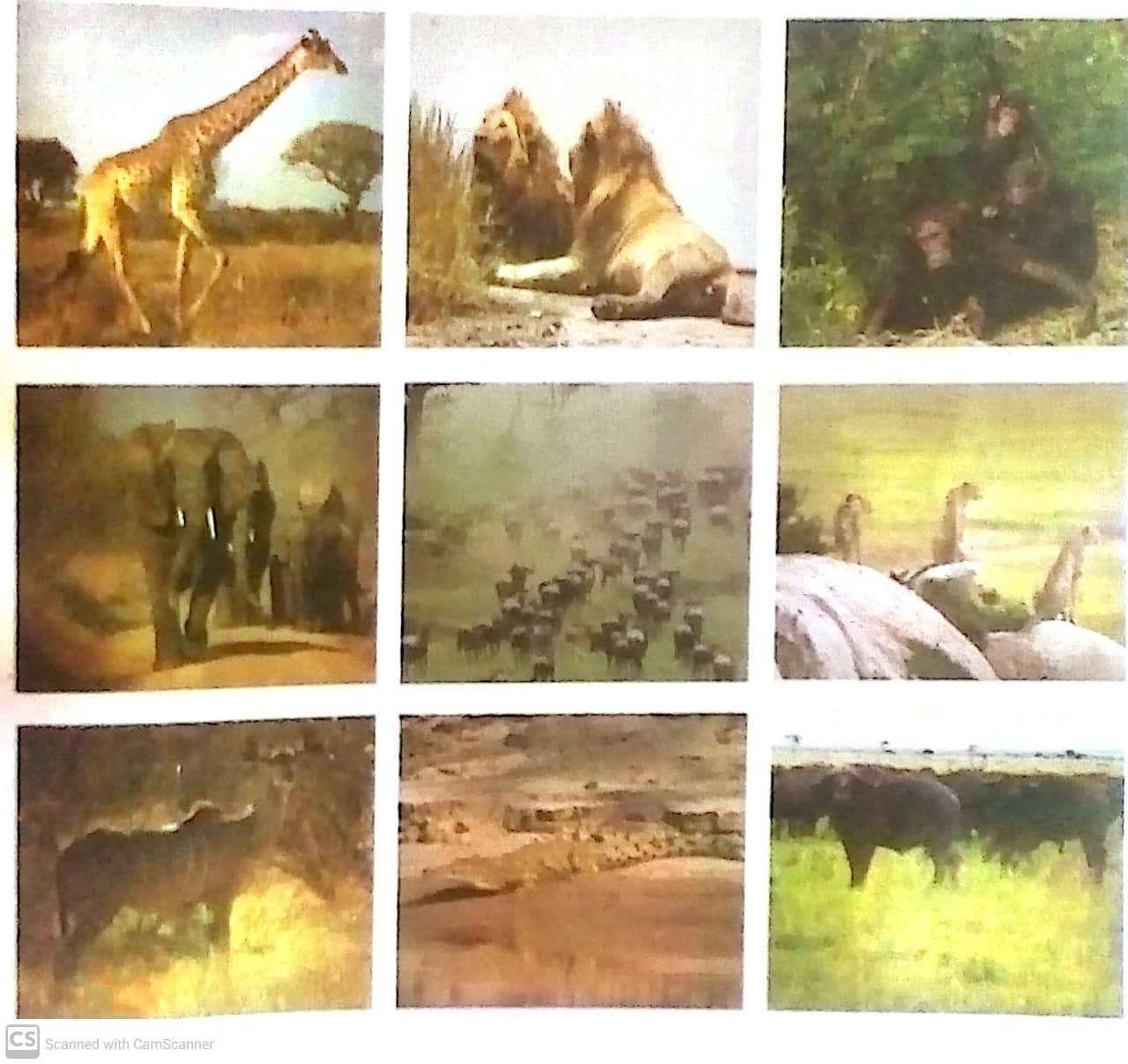
 Tanzania is fortunate to have many zoos. About 38 percent of Tanzania's land is reserved for zoos. These parks have many different kinds of animals that are a great resource for Tanzanians. Our parks have all the five largest animals in the world. These animals are lions,elephants,rhinos,leopards and buffaloes. Other animals found inTanzanian zoos are giraffes, hippos, gazelles, zebras, cheetahs, crocodiles, monkeys, hyenas, foxes, wolves, wild boars, blind people, donkeys and other small animals.
 Some of the animals present in the parks and zoos in Tanzania.
Published from Blogger Prime Android App
 In these parks there are many birds with attractive colors. There are also colorful butterflies and many kinds of insects. Tourists visit our zoos to see animals, birds and butterflies.

  METHODS OF MAINTENANCE OF ZOO PARKS 
 1. Development and implementation of policies and laws for the sustainable use of zoos
 2. The existence of enough wildlife professionals to manage zoos and provide education on animal conservation to communities near zoos
 3. There should be effective protection of wildlife against poachers
 4. Existence of plans for the best use of land to avoid the interaction of land use. For example, animal parks and human use such as agriculture and breeding.

Mar 4, 2025

HOW WE CAN HELPS OTHERS IN OUR SOCIETY

 Helping others can take many forms, and the best approach often depends on the needs of those around you and your own skills and resources. Here are some ways you can help:


Volunteer: Offer your time to local charities, shelters, or community organizations. This could involve serving meals, tutoring, or participating in cleanup efforts.


Listen: Sometimes, people just need someone to talk to. Being a good listener can provide emotional support and make a significant difference in someone's life.


Share Skills: If you have expertise in a particular area, consider teaching others. This could be anything from cooking and gardening to coding and financial literacy.


Offer Emotional Support: Reach out to friends or family members going through tough times. A simple message or a phone call can show you care.


Donate: If you have the means, consider donating money, clothes, or other goods to those in need.


Advocate: Support causes that aim to help others, whether through awareness campaigns, fundraising, or joining organizations that align with your values.


Be Kind: Small acts of kindness, like holding the door open or complimenting someone, can brighten someone’s day.


Mentor: Offer guidance to someone who may benefit from your experience, whether in a professional setting or personal development.


Create Community: Organize events or groups that bring people together, fostering a sense of belonging and support.


Educate Yourself: Understanding the challenges faced by others can help you be more effective in your efforts to help.


Every small action counts, and your willingness to help can inspire others to do the same!

Mar 1, 2025

WHY AFRICA CALLED A BLACK CONTINENT


Why Africa is sometimes called the "Black Continent," the term has historical and cultural origins. However, it has been used in different ways, some of which are outdated or problematic. Here are a few perspectives on why Africa has been referred to this way:

  1. Racial Association – Africa is home to a large population of Black people, particularly in sub-Saharan Africa. This has led some to use "Black Continent" in reference to the majority of the population’s skin color.

  2. Historical Ignorance – In the 19th and early 20th centuries, European explorers and colonizers referred to Africa as the "Dark Continent" because they knew little about its interior. This term reflected their ignorance rather than the reality of Africa's rich and diverse civilizations.

  3. Geographical and Environmental Factors – Some interpretations suggest that "black" could be linked to Africa’s dense forests, volcanic soils, or even the darkness of night in regions with minimal artificial light.

  4. Symbolic Meanings – Some use the term metaphorically to describe Africa’s struggles with colonialism, poverty, and conflict, though this is an oversimplification and does not represent the continent’s full reality.

Today, the term "Black Continent" is not commonly used because it carries colonial and racial connotations. Africa is a diverse continent with rich cultures, histories, and achievements that go beyond such labels.

                       Msomihuru

JINSI YA KUSAIDIA WENGINE KATIKA JAMII
Kusaidia wengine ni njia nzuri ya kujenga jamii nzuri na yenye mshikamano. Hapa kuna baadhi ya njia za kusaidia wengine:

Kutoa Msaada wa Kifedha: Ikiwa una uwezo, unaweza kusaidia watu walio katika mahitaji kwa kutoa msaada wa kifedha au kuchangia katika miradi ya kijamii.

Kutoa Wakati Wako: Kujitolea katika shughuli za kijamii au mashirika yasiyo ya kiserikali yanaweza kuwa na athari kubwa. Wakati wako unaweza kusaidia katika shughuli kama vile usambazaji wa chakula au elimu.

Kushiriki Ujuzi: Ikiwa una ujuzi maalum, unaweza kufundisha wengine. Hii inaweza kuwa katika masuala ya elimu, ujuzi wa kazi, au hata sanaa.

Kutoa Msaada wa Kisaikolojia: Kuwa na mtu wa kuzungumza naye ni muhimu. Unaweza kusaidia kwa kusikiliza na kutoa ushauri wa kisaikolojia kwa wale wanaohitaji.

Kujitolea Katika Miradi ya Jamii: Ushiriki katika miradi ya kuendeleza jamii kama vile kupanda miti, usafi wa mazingira, au kujenga nyumba kwa ajili ya wasio na makazi.

Kusaidia Katika Nyumba au Shule: Unaweza kusaidia watoto katika masomo yao au kusaidia wazee na watu wenye ulemavu katika kazi za nyumbani.

Kuendeleza Uelewa na Elimu: Kuwaelimisha wengine juu ya masuala muhimu kama afya, mazingira, na haki za binadamu ni njia nzuri ya kusaidia jamii.

Kutoa Hifadhi au Msaada wa Kisheria: Ikiwa unajua sheria, unaweza kusaidia watu katika mchakato wa kisheria au kuwapa ushauri.

Kila hatua, hata ndogo, inachangia katika kuboresha maisha ya wengine. Kumbuka, kusaidia wengine kunaweza pia kukusaidia wewe mwenyewe kwa kuleta furaha na kuridhika.
