Dec 13, 2024

Meaning of Malaria

Meaning of Malaria

Published from Blogger Prime Android App
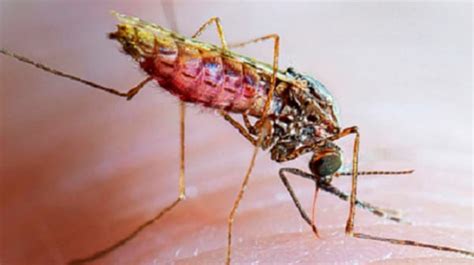
Malaria is a serious and sometimes fatal disease caused by parasites that are transmitted to humans through the bites of infected female Anopheles mosquitoes². Here are some key points about malaria:

### Causes
- **Parasites**: The disease is caused by Plasmodium parasites. There are five species that can infect humans, with *Plasmodium falciparum* and *Plasmodium vivax* being the most dangerous².
- **Transmission**: It is primarily spread through mosquito bites, but can also be transmitted through blood transfusions, organ transplants, or from mother to child during birth².

### Symptoms
- **Early Symptoms**: Fever, chills, headache, and muscle aches, typically appearing 10-15 days after being bitten².
- **Severe Symptoms**: Severe fatigue, confusion, seizures, difficulty breathing, and organ failure. Severe cases can lead to death if not treated promptly².

### Prevention
- **Avoiding Bites**: Use insect repellent, sleep under insecticide-treated bed nets, and wear long-sleeved clothing².
- **Medications**: Antimalarial drugs can be taken to prevent infection, especially when traveling to areas where malaria is common².

### Treatment
- **Antimalarial Drugs**: Medications such as chloroquine, quinine, and artemisinin-based combination therapies (ACTs) are used to treat malaria².
- **Early Diagnosis**: Prompt treatment is crucial to prevent complications and death².

Malaria is a significant health issue, especially in tropical and subtropical regions. It's important to take preventive measures and seek medical attention if you suspect you have malaria.

Dec 12, 2024

TOURISM

TOURISM

Published from Blogger Prime Android App
Tourism is the activity of traveling for pleasure, recreation, or business, and it involves the commercial provision of services to support such travel. It can be domestic (within one's own country) or international, and it plays a significant role in the global economy¹².

### Key Aspects of Tourism:
1. **Economic Impact**: Tourism generates revenue, creates jobs, and stimulates the development of infrastructure. It can significantly contribute to a country's GDP.
2. **Types of Tourism**:
   - **Leisure Tourism**: Traveling for relaxation and enjoyment.
   - **Business Tourism**: Traveling for work-related purposes.
   - **Cultural Tourism**: Exploring cultural heritage, arts, and traditions.
   - **Ecotourism**: Traveling to natural areas to conserve the environment and improve the well-being of local people.
   - **Medical Tourism**: Traveling to receive medical treatment.
3. **Sustainable Tourism**: Focuses on minimizing the negative impacts of tourism on the environment and local communities while promoting conservation and sustainable practices¹².

### Importance of Tourism:
- **Economic Growth**: Tourism can boost economic growth by attracting foreign exchange and investment.
- **Cultural Exchange**: It promotes cultural understanding and exchange between people from different backgrounds.
- **Environmental Awareness**: Sustainable tourism can raise awareness about environmental conservation and the importance of protecting natural resources¹².
Tourism has a wide range of effects, both positive and negative, on various aspects of society and the environment. Here are some key impacts:

### Positive Effects:
1. **Economic Growth**: Tourism generates revenue, creates jobs, and stimulates the development of infrastructure. It can significantly contribute to a country's GDP¹.
2. **Cultural Preservation**: Tourism can promote cultural awareness and help preserve local traditions and heritage. For example, the Masai Mara in Kenya benefits from tourism by maintaining cultural practices².
3. **Infrastructure Development**: Income from tourism can be used to develop local infrastructure and services, such as roads, airports, and healthcare facilities².
4. **Environmental Conservation**: Sustainable tourism can help protect natural features and wildlife by generating funds for conservation efforts².

### Negative Effects:
1. **Environmental Damage**: Tourism can lead to environmental degradation, including pollution, deforestation, and wildlife disruption¹.
2. **Cultural Erosion**: The influx of tourists can sometimes lead to the loss of local culture and traditions as areas become more westernized².
3. **Economic Disparities**: Often, the profits from tourism do not benefit local communities as much as they should. Large international companies may take a significant share of the revenue².
4. **Social Issues**: Tourism can lead to overcrowding, increased crime rates, and higher costs of living for local residents¹.

Balancing these effects requires careful planning and management to ensure that tourism benefits local communities and the environment while minimizing its negative impacts. 

Dec 5, 2024

WOMEN EMPOWERING

WOMEN EMPOWERING

Published from Blogger Prime Android App
Women's empowerment is a multifaceted concept that involves granting women the freedom and power to make their own decisions and pursue their goals. It encompasses breaking down societal, economic, and political barriers that have historically restricted women's roles and opportunities¹².

Key aspects of women's empowerment include:

1. **Education and Literacy**: Providing access to education and literacy programs helps women gain the knowledge and skills needed to participate fully in society.
2. **Economic Empowerment**: Ensuring women have control over resources, assets, and income, which allows them to manage risks and improve their well-being¹.
3. **Health and Well-being**: Addressing issues like reproductive health, access to healthcare, and protection from violence and exploitation².
4. **Political Participation**: Encouraging and supporting women's involvement in political processes and leadership roles².
5. **Social Awareness**: Raising awareness about gender equality and challenging traditional gender roles and stereotypes¹.

Empowering women not only benefits individuals but also enhances the quality and quantity of human resources available for development, leading to better economic and social outcomes for communities and nations¹².

Empowering women involves a combination of individual actions, community efforts, and policy changes. Here are some effective ways to empower women:

1. **Education**: Ensure that girls and women have access to quality education. This includes not only primary and secondary education but also higher education and vocational training¹.

2. **Economic Opportunities**: Support women in gaining financial independence through job opportunities, equal pay, and access to credit and financial services. Encouraging entrepreneurship and supporting women-owned businesses can also make a significant impact².

3. **Healthcare Access**: Provide comprehensive healthcare services, including reproductive health services, maternal care, and mental health support. Ensuring women have access to these services is crucial for their overall well-being².

4. **Legal Rights**: Advocate for laws and policies that protect women's rights and promote gender equality. This includes laws against gender-based violence, discrimination, and ensuring women's rights to property and inheritance¹.

5. **Mentorship and Role Models**: Encourage mentorship programs where experienced women can guide and support younger women. Highlighting successful female role models can inspire and motivate others².

6. **Community Support**: Create safe spaces and support networks for women to share their experiences, learn from each other, and build solidarity. Community programs that focus on women's empowerment can be very effective².

7. **Awareness and Advocacy**: Raise awareness about gender equality and women's rights through campaigns, workshops, and media. Advocacy efforts can help change societal attitudes and norms that hinder women's empowerment¹.

8. **Technology and Innovation**: Leverage technology to provide women with new opportunities for learning, working, and connecting with others. This includes access to the internet, digital literacy programs, and online platforms for business and education².

By taking these steps, we can create an environment where women are empowered to reach their full potential and contribute meaningfully to society.


UMASKINI NI NINI

UMASKINI NI NINI

Published from Blogger Prime Android App
Umaskini ni hali ya ukosefu wa mahitaji ya msingi ya binadamu kama vile chakula, maji salama, huduma za afya, mavazi, na makazi kutokana na kukosa uwezo wa kuvinunua¹. Kuna aina mbili kuu za umaskini:

1. **Umaskini uliokithiri**: Hii ni hali ambapo mtu hana uwezo wa kukidhi mahitaji ya msingi kabisa ya maisha.
2. **Umaskini linganishi**: Hii ni hali ya kuwa na rasilimali chache au kipato cha chini ikilinganishwa na watu wengine katika jamii au nchi¹.

Umaskini unaweza kusababishwa na mambo mbalimbali kama vile ukosefu wa ajira, elimu duni, ufisadi, na sera za kiuchumi zisizo na usawa¹². Kupunguza umaskini ni moja ya malengo makuu ya taasisi nyingi za kimataifa kama vile Umoja wa Mataifa na Benki ya Dunia¹.

Umaskini una athari nyingi mbaya kwa watu binafsi na jamii kwa ujumla. Hapa ni baadhi ya athari kuu za umaskini:

1. **Afya Duni**: Watu wanaoishi katika umaskini mara nyingi hawana uwezo wa kupata huduma bora za afya, lishe bora, na mazingira safi, hivyo wanakabiliwa na magonjwa mbalimbali.

2. **Elimu Duni**: Watoto kutoka familia maskini mara nyingi hawana fursa ya kupata elimu bora kutokana na ukosefu wa ada, vifaa vya shule, na mazingira mazuri ya kujifunzia.

3. **Ukosefu wa Ajira**: Umaskini unaweza kusababisha ukosefu wa ajira au ajira zisizo na kipato cha kutosha, hivyo kuendeleza mzunguko wa umaskini.

4. **Uhalifu na Vurugu**: Ukosefu wa rasilimali na fursa unaweza kusababisha watu kujiingiza katika vitendo vya uhalifu na vurugu kama njia ya kujikimu.

5. **Kukosa Makazi**: Watu maskini mara nyingi hawana uwezo wa kumudu makazi bora, hivyo wanaishi katika mazingira duni au hata kuwa wasio na makazi kabisa.

6. **Kukosa Heshima na Hadhi**: Umaskini unaweza kusababisha watu kukosa heshima na hadhi katika jamii, hivyo kuathiri hali yao ya kisaikolojia na kijamii.

Kupunguza umaskini ni muhimu kwa maendeleo endelevu na ustawi wa jamii.

Kuna njia mbalimbali za kuepukana na umaskini ambazo zinaweza kusaidia watu binafsi na jamii kwa ujumla. Hapa ni baadhi ya njia hizo:

1. **Elimu Bora**: Elimu ni silaha muhimu katika kupambana na umaskini. Kupata elimu bora husaidia watu kupata ujuzi na maarifa yanayohitajika kwa ajira bora na kujiajiri⁴.

2. **Kuongeza Fursa za Ajira**: Serikali na sekta binafsi zinaweza kuunda fursa zaidi za ajira kwa kuwekeza katika viwanda, kilimo, na sekta nyingine zinazoweza kutoa ajira nyingi².

3. **Mikopo na Mitaji**: Kutoa mikopo nafuu na mitaji kwa wajasiriamali wadogo na wa kati kunaweza kusaidia watu kuanzisha na kukuza biashara zao, hivyo kuongeza kipato na kupunguza umaskini².

4. **Kuboresha Miundombinu**: Uwekezaji katika miundombinu kama barabara, umeme, na maji safi unaweza kusaidia kuboresha maisha ya watu na kuongeza fursa za kiuchumi².

5. **Afya Bora**: Kutoa huduma bora za afya kwa wote kunaweza kusaidia kupunguza gharama za matibabu na kuongeza uwezo wa watu kufanya kazi na kujipatia kipato³.

6. **Kujenga Uwezo wa Kifedha**: Kuelimisha watu kuhusu usimamizi wa fedha, akiba, na uwekezaji kunaweza kusaidia watu kupanga na kutumia rasilimali zao kwa ufanisi zaidi¹.

7. **Kukuza Kilimo**: Kilimo bora na cha kisasa kinaweza kuongeza uzalishaji wa chakula na kipato kwa wakulima, hivyo kupunguza umaskini vijijini².

8. **Kujenga Mitandao ya Kijamii**: Kusaidia watu kuunda mitandao ya kijamii na vikundi vya ushirika kunaweza kuongeza ushirikiano na kusaidiana katika shughuli za kiuchumi².

Nov 26, 2024

IMPOSITION OF COLONIAL RULE
>The white people after sending their agent,the scramble and partition of Africa Cohen it was over, they introduced the company rule then they started to impose their colonial rule.

AFRICAN REACTION/RESISTANCE AGAINST THE IMPOSITION OF COLONIAL RULE
What is African resistance?
This was the reaction taken by African people inorder to oppose the colonial rule.The African resistance had taken place from 1880's-1920's(19thC)

FORMS OF REACTION AGAINST COLONIALISM
The were two forms of the African reaction against colonialism namely
       i)Resistance ii) Collaboration

TYPES OF AFRICAN RESISTANCE
There are two types of African resistance
(a) Small scale/Primary resistance
(b) Large scale/Secondary resistance

A.SMALL SCALE/PRIMARY RESISTANCE
This was the type of resistance which involved a small number of people.example.a trible,a clan or community.
>It covered a small area
>The following were list of small scale resistance
i) Hehe resistance of 1891-1894(chief Mkwawa)
ii)Nandi resistance of 1895-1905(koitalel)
iii) Coastal resistance
>Here we have
i)Abushiri bin Salim resistance 1888-1889
ii)Yao resistance 1890-led by chief Machemba
iii)Nyamwezi resistance 1891-1894 led by Mtemi Isike
iv)Bwana Heri of zigua and Hassan bin Omar Makunganya

B.LARGE SCALE/SECONDARY RESISTANCE
This was the type of resistance which involved many numbers of people
**It covered large area,many tribes and many community
Example of large scale resistance were
i)Shona-Ndebele(Chimurenga war)1896-1897
ii)Mandinka resistance 1882-1885 and 1891-1898 led by Samori You're
iii)Nama and Herero resistance of 1904-1907 led by Hedrick witboo
iv) MajiMaji resistance 1905-1907 under Kinjeketile Ngwale
v) Ethiopia,Adowa batlle (1986) under Menelik Ii

FORMS OF AFRICAN RESISTANCE/THE TECHNIQUE/METHOD TAKEN BY AFRICAN TO REACT AGAINST COLONIAL RULE
There were various forms of resistance caused by African people to react against colonial rule.these method were as follows

I.ACTIVE RESISTANCE
Is the type of resistance were the society fought face to face with white
Example Mkwawa hehe of Iringa and chief Mangi meli
>It involved direct military anfrontation between Africa and white

II.PASSIVE RESISTANCE
This was to oppose colonial rule by not fighting instead the society destroyed European things like burning farms and building seeds
>It was submitting without shifting to show thier dissatisfaction

REASONS FOR THE AFRICANS RESISTANCE AGAINST COLONIAL
i)To oppose cruelity example all arable land was taken by white.Africa were forced to pay taxes and to over work and low salaries
ii)To protect political freedom.They wanted defend all political issues and to get democratic government that will fulfill African interest
iii) To preserve economic interest; they reacted to oppose taxes, forced labour and land alienation
iv) To defend their culture; they wanted to preserve some culture like polygamy and women circumsisiom
v) To oppose cash crop production; Africans were forced to produce cotton, sisal and coffee.example MajiMaji war
vi) To regain their lost independence;

FACTORS THAT DETERMINED THE NATURE OF AFRICAN REACTION
Enmity among Africans
Outbreak of disease
Individual interest among the leaders
Presence of missionaries
Ignorance of some rula
The level of development reached

2.COLLABORATION/ALLIANCE
>Mean to make friendship with Europeans to conquer their neighbors
>The war of resisting colonial rule where two or more societies united together and oppose against colonialist
>Example in Ashanti,Oyo and Benin led to the rise of forest state,Shona and Ndebele people in Zimbabwe allied to fight against British

REASONS FOR THE AFRICANS COLLABORATION WITH THE COLONIALIST
a) Wrong Perception
>They believe that colonialist were just visitors who could go back soon to their homes
b) military motives
>The desire to get weapons (guns) example Menelik ii in Ethiopia
c) The role of missionaries
>They convinced Africans to accept colonialism through schristian preaching and education
d) Enmity between tribes
>Example Sangu and Bena collaborate with Germany to fight against the Hehe
e) Natural calamities
>The society suffered from floods drought and disease where easly collaborated with whites inorder to support like food
f) The desire to be rich
>European were good in trade,so some tribes think that they would be rich by being together with whites example Buganda
g) Desire to have a peace
h) They are weak to provide resistance
i) Ignorance

WHY AFRICAN RESISTANCE FAILED?
(Reasons for the Africans defeat in the resistance)
i)poor weapons applied by Africans
ii)Morden weapons applied by whites
iii) Wrong believe eg.Kinjeketile Ngwale of MajiMaji
iv) Natural calamities
v) Disunity among the Africans
vi) Betrayal among the Africans
FORM THREE: TOPIC EROSION
Erosion is the process by which soil, rock, and other surface materials are worn away and transported from one location to another by natural forces such as wind, water, ice, or gravity¹². This process can significantly shape landscapes and lead to various environmental impacts.

### Types of Erosion
1. **Water Erosion**: Caused by rainfall, rivers, floods, and ocean waves. It includes:
   - **Rill and Gully Erosion**: Small channels formed by running water.
   - **Riverbank Erosion**: The wearing away of riverbanks.
   - **Coastal Erosion**: The removal of coastal land by wave action.

2. **Wind Erosion**: Common in arid and semi-arid regions, where strong winds can transport loose soil and sand over long distances.

3. **Glacial Erosion**: Occurs when glaciers move, scraping and grinding the earth beneath them.

4. **Gravity Erosion**: Includes landslides and rockfalls, where gravity causes materials to move down slopes.

### Human Impact
Human activities, such as deforestation, overgrazing, and poor agricultural practices, have accelerated erosion rates¹. This can lead to:
- Loss of fertile topsoil.
- Reduced agricultural productivity.
- Sedimentation in waterways, which can cause flooding and damage aquatic habitats.

### Prevention and Mitigation
To combat erosion, various strategies can be employed:
- **Planting Vegetation**: Roots help to hold soil in place.
- **Terracing**: Creating stepped levels on slopes to reduce runoff.
- **Using Erosion Control Fabrics**: These materials stabilize soil and prevent erosion.
- **Building Retaining Walls**: Structures that support soil and prevent landslides.

Understanding and managing erosion is crucial for maintaining healthy ecosystems and sustainable land use.

Wind erosion can create several distinct geological features. Here are some of the main ones:

1. **Ventifacts**: These are rocks that have been shaped and polished by wind-driven sand. They often have flat, smooth surfaces on the side facing the wind².
2. **Rock Pedestals**: Also known as mushroom rocks, these formations occur when wind-blown sand erodes the base of a rock more than its top, creating a pedestal-like shape².
3. **Zeugen**: These are ridges of hard rock that stand above the surrounding terrain because the wind has eroded the softer rock around them².
4. **Yardangs**: Similar to zeugen, yardangs are streamlined ridges formed in areas with alternating layers of hard and soft rock. The wind erodes the softer layers, leaving the harder ones standing².
5. **Deflation Hollows**: These are depressions created when wind removes loose particles from the ground, lowering the surface level².
6. **Desert Pavement**: This is a surface covered with closely packed, interlocking rock fragments left behind after wind has removed the finer particles³.

These features are most commonly found in arid regions where vegetation is sparse, allowing the wind to have a greater impact on the landscape.

Is there a specific feature you're particularly interested in?

EDUCATION AND THEIR IMPORTANT AND EFFECT CAUSED BY LACK OF EDUCATION
Published from Blogger Prime Android App
**Education** is the process of acquiring knowledge, skills, values, and attitudes through various forms of learning, such as formal schooling, informal learning, and life experiences¹². It is a transformative journey that shapes individuals and societies by fostering intellectual growth, critical thinking, and personal development².

Why Is Education Important? | Purpose of Education 
Importance of Education

1. **Personal Development**: Education helps individuals develop critical thinking, problem-solving skills, and the ability to make informed decisions². It also fosters creativity and intellectual curiosity.

2. **Economic Growth**: An educated workforce is essential for economic development. Education equips people with the skills needed for various jobs, driving innovation and productivity².

3. **Social Benefits**: Education promotes social cohesion and understanding by teaching social norms, values, and ethics³. It helps individuals understand their rights and responsibilities, contributing to a more just and equitable society.

4. **Health and Well-being**: Educated individuals tend to make better health choices and have access to better healthcare information, leading to improved overall health and well-being³.

5. **Empowerment**: Education empowers individuals, especially marginalized groups, by providing them with the knowledge and skills to improve their lives and advocate for their rights³.

6. **Global Awareness**: Education raises awareness of global issues such as climate change, poverty, and human rights, encouraging individuals to contribute to global solutions⁵.

Lack of education can have profound and far-reaching effects on individuals and society. Here are some key impacts:

1. **Poor Health**: Education is crucial for understanding health and hygiene. Without it, people are more susceptible to diseases and have shorter lifespans¹.
2. **Unemployment**: Those without education often struggle to find stable, well-paying jobs, leading to higher unemployment rates¹.
3. **Poverty**: A lack of education is closely linked to poverty, as it limits opportunities for economic advancement².
4. **Gender Inequality**: Education empowers women and girls. Without it, gender inequality persists, with women often facing early marriage and limited career opportunities¹.
5. **Lack of Voice**: Education provides the skills and confidence needed to advocate for oneself and participate in societal decisions³.


Nov 22, 2024

SARATANI(CANCER)

SARATANI(CANCER)

SARATANI ni mkusanyiko wa seli zinazoongezeka bila kufuata utaratibu wa kawaida wa mwili. Seli za saratani huota haraka na kusababisha uvimbe

Kuna aina nyingi za saratani mfano
1.saratani ya shingo ya kizazi ambayo huwapata wanawake tu
2.saratani ya matini
3.saratani ya mapafu ambayo huwapata hasa wavutaji wa sigara
4.saratani za tumbo, utumbo mkubwa na ndogo, ngozi, damu, macho na Koo

Uvimbe wa saratani unaweza kupasuka na seli zake zikaingia kwenye damu. Kisha seli hizo zinaweza kusafirishwa na kwenda kujishikiza sehemu nyingine za mwili na hapo huweza kuanzisha uvimbe sehemu nyingine.

Chanzo halisi cha saratani hakijajulikana hadi sasa. Hata hivyo vipo vitendo mbalimbali vinavyoweza kuchangia kutokea kwa saratani mwilini. Vitendo hivyo ni uvutaji wa sigara, unywaji wa pombe kupita kiasi na kutokula matunda na vyakula vyenye nyuzinyuzi, kama vile nafaka zisizokobolewa na mbogamboga, kula vyakula vilivyokobolewa na kuongezwa kemikali, kukaa juani na kupigwa na mionzi mikali ya jua na uasherati

Dalili za saratani
-homa, uchovu kupitia kiasi, kupungua uzito, uvimbe na maumivu,
NB:dalili hizi zinaweza kuwa za magonjwa mengine mbalimbali,vipimo vya hospitali tu ndivyo vitakavyothibitisha endapo mtu ana saratani au la

Kinga na tiba ya saratani
  • Ugonjwa wa saratani unaweza kuzuilika kwa kuepuka vitendo vinavyochangia kupata saratani,kwa mfano uvutaji wa sigara na ulevi
  • Ugonjwa huu ukiwahi unaweza kutibika hospitalini kwa njia ya operation,mionzi au kemikali na
  • Ulaji wa chakula bora ni njia nzuri ya kuepuka saratani

Nov 21, 2024

Nov 17, 2024