Jan 4, 2025

MODE OF PRODUCTION

MODE OF PRODUCTION

 The concept of "mode of production" is central to Marxist theory and refers to the way a society is organized to produce goods and services. It encompasses both the **forces of production** and the **relations of production**.

 Here are the main components and types of modes of production:


1. **Forces of Production**: This includes all the elements required for production, such as land, raw materials, tools, machinery, and human labor¹.


2. **Relations of Production**: These are the social relationships that people enter into as they acquire and use the means of production. This includes relationships between workers and owners, and the distribution of the produced goods¹.


### Types of Modes of Production

1.PRIMITIVE COMMUNALISM MODE OF PRODUCTION

Primitive communalism refers to the social and economic systems of early human societies, particularly hunter-gatherer communities, characterized by communal ownership and egalitarian social relations. 

Here are some key characteristics:

1. **Communal Ownership**: Resources and property, such as land, tools, and food, were shared among all members of the community. There was no concept of private property¹.

2. **Egalitarian Social Relations**: These societies were typically egalitarian, meaning there were no significant social hierarchies or class distinctions. Everyone had equal access to resources and decision-making².

3. **Subsistence Economy**: The economy was based on subsistence activities like hunting, gathering, and fishing. People produced just enough to meet their immediate needs, with little to no surplus².

4. **Strong Kinship Ties**: Social organization was often based on kinship ties, with extended families or clans forming the basic social units³.

5. **Collective Labor**: Everyone contributed to the community's survival through collective labor. Men often hunted, while women gathered plant foods and cared for children².

6. **Lack of Formal Institutions**: There were no formal institutions like governments or markets. Social order was maintained through customs, traditions, and mutual cooperation³.


2.SLAVELY

Slavery is a system in which individuals are owned by others, depriving them of personal freedom and the right to make decisions about their own lives.

 Here are some key characteristics of slavery:

1. **Ownership**: Slaves are considered the property of their owners, who have control over their lives and labor¹.

2. **Lack of Rights**: Slaves are deprived of most rights that free individuals enjoy. They are often treated as objects rather than people¹.

3. **Forced Labor**: Slaves are compelled to work without compensation. Their labor benefits their owners, who have the right to dictate the terms and conditions of their work².

4. **Coercion and Violence**: Slavery is maintained through coercion, including physical violence, threats, and psychological manipulation².

5. **Social and Legal Marginalization**: Slaves are often socially and legally marginalized, with limited or no access to legal recourse or protection¹.

6. **Hereditary Status**: In many historical contexts, the status of being a slave could be inherited, meaning children born to slaves were also considered slaves².

7. **Dehumanization**: Slaves are often dehumanized, stripped of their identity, and treated as less than human².

3.FEUDAL MODE OF PRODUCTION

Feudalism was a social, economic, and political system that dominated medieval Europe from the 9th to the 15th centuries.

 Here are some key characteristics of feudalism:

1. **Hierarchical Structure**: Feudal society was highly hierarchical, with the king or emperor at the top, followed by powerful nobles, knights, and at the bottom, peasants or serfs¹.

2. **Land Ownership**: Land was the main source of wealth and power. The king granted large estates (fiefs) to nobles in exchange for military service and loyalty².

3. **Vassalage**: Nobles, or lords, would grant portions of their land to vassals (lesser nobles or knights) in return for military service and other duties. This relationship was formalized through ceremonies of homage and fealty¹.

4. **Manorial System**: The economic structure of feudalism was based on the manor, a self-sufficient estate controlled by a lord and worked by peasants. The peasants provided labor and a portion of their produce to the lord in exchange for protection and the right to live on the land².

5. **Decentralized Power**: Political power was decentralized, with local lords exercising significant control over their territories. The king's authority was often limited and dependent on the support of powerful nobles².

6. **Military Obligations**: Feudalism was characterized by a system of mutual military obligations. Vassals were required to provide military service to their lords, and in return, they received protection and land¹.

7. **Legal and Judicial Authority**: Lords had judicial authority over their vassals and peasants, administering local justice and resolving disputes within their domains².

4.CAPITALISM MODE OF PRODUCTION

Capitalism is an economic system characterized by private ownership and the free market. 

Here are some key characteristics of capitalism:

1. **Private Ownership**: Individuals and businesses own property and the means of production. This includes land, factories, and machinery¹.

2. **Capital Accumulation**: Wealth is accumulated by individuals or businesses who invest in productive activities. This capital is then used to generate more wealth¹.

3. **Free Markets**: Economic decisions are made through the interaction of supply and demand in the market. Prices are determined by competition among businesses².

4. **Profit Motive**: The primary goal of businesses is to generate profit. This drives innovation, efficiency, and economic growth².

5. **Competition**: Businesses compete with each other to attract customers and maximize profits. This competition leads to better products and services at lower prices¹.

6. **Minimal Government Intervention**: In a capitalist system, the government's role is limited to enforcing laws and regulations that protect property rights and maintain market order².

7. **Wage Labor**: Most people earn their living by working for others in exchange for wages. The labor market operates based on supply and demand².

8. **Consumer Sovereignty**: Consumers have the freedom to choose what products and services to buy, influencing what businesses produce¹.

5. SOCIALISM MODE OF PRODUCTION

  • Socialism is an economic and political system based on collective ownership of the means of production.
  • In a socialist system, all legal production and distribution decisions are made by the government. The government also determines all output and pricing levels and supplies its citizens with everything from food to healthcare.
The history of socialism is rich and complex, spanning several centuries and evolving through various forms and ideologies. 

CHARACTERISTICS OF SOCIALISM
1.Collective ownership and control of major means of production.Private ownership and control of major means of production is substituted by public ownership and control for equal sharing of society wealth for the benefit of all to avoid inequalities.
2.Socialism is against exploitation and degradation of workers by employers in factories and other areas of work.socialism does not allow exploitation of man by man but call distribution of labour according to the work done.
3.Classless society.socialism agitates for the end of exploitative social of the have and have-nots to create society where members are equal to allow equal sharing of wealth.
4.It agitates for improvement of living conditions of all people in society including the poor peasants, workers and general public
5.Socialism focuses on the growth of workers movements and
transforming them into instruments social political and economic change.The aim is to form a strong proletariat class that would be used as a weapon to overthrow.
Jan 3, 2025

SLAVE TRADE

SLAVE TRADE

Published from Blogger Prime Android App

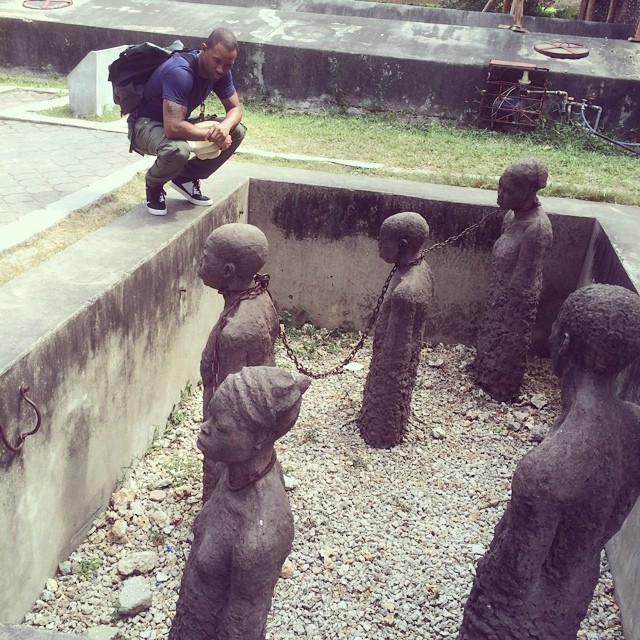
 The **slave trade** refers to the historical practice of capturing, selling, and transporting enslaved people. One of the most infamous examples is the **transatlantic slave trade**, which took place from the 16th to the 19th centuries. This trade involved the forced transportation of between 10 million and 12 million Africans to the Americas¹².


Key aspects of the transatlantic slave trade include:


1. **Triangular Trade**: European ships traveled to Africa to trade goods for enslaved people, transported them across the Atlantic (the Middle Passage), and then returned to Europe with goods produced by slave labor, such as sugar, tobacco, and cotton¹³.


2. **Middle Passage**: This was the harrowing journey across the Atlantic Ocean, where enslaved Africans were packed into ships under brutal conditions. Many did not survive the voyage¹².

The **slave trade** was driven by several key factors:


1. **Economic Demand**: European colonies in the Americas required a large labor force to work on plantations and in mines. The indigenous populations were decimated by disease and conflict, creating a labor shortage that was filled by enslaved Africans¹².


2. **Profitability**: The slave trade was highly profitable for European traders and African intermediaries. Enslaved people were exchanged for goods such as guns, textiles, and alcohol, which were then sold for significant profit¹³.


3. **Colonial Expansion**: European powers, particularly Spain, Portugal, Britain, France, and the Netherlands, expanded their colonies in the Americas, increasing the demand for labor to cultivate cash crops like sugar, tobacco, and cotton¹².


4. **Technological Advancements**: Improvements in shipbuilding and navigation made long sea voyages more feasible, facilitating the large-scale transportation of enslaved people across the Atlantic¹³.


5. **Racial Attitudes**: Europeans developed racial ideologies that justified the enslavement of Africans. These attitudes dehumanized Africans and portrayed them as suitable for enslavement²³.


6. **Legal and Religious Factors**: European laws and religious doctrines often supported or did not oppose slavery. Some religious groups justified slavery through interpretations of religious texts²³.


These factors combined to create a system that perpetuated the transatlantic slave trade for centuries, with devastating effects on African societies and lasting impacts on global history.


The **slave trade** had profound and long-lasting effects on both Africa and the wider world. Here are some of the key impacts:


1. **Depopulation**: The transatlantic slave trade led to the forced migration of millions of Africans, significantly reducing the population in many regions. This depopulation had severe social and economic consequences¹².


2. **Economic Disruption**: The slave trade disrupted traditional economies and societies in Africa. Many communities were destabilized as young and able-bodied individuals were taken away, leading to a decline in agricultural and economic productivity¹².


3. **Political Instability**: The demand for slaves fueled conflicts and wars among African states and communities. Leaders and warlords often engaged in raids and warfare to capture people for sale, leading to widespread violence and instability¹³.


4. **Cultural Impact**: The forced migration of Africans led to the spread of African cultures, traditions, and knowledge to the Americas. This cultural exchange influenced music, cuisine, religion, and other aspects of life in the Americas²⁴.


5. **Economic Benefit for Europe and the Americas**: The slave trade generated significant wealth for European traders and American plantation owners. The labor of enslaved Africans was crucial for the production of cash crops like sugar, tobacco, and cotton, which were vital to the economies of the colonial powers¹³.


6. **Long-term Economic Underdevelopment**: Studies have shown that regions heavily involved in the slave trade are among the poorest today. The extraction of human resources and the resulting social and economic disruption have had lasting negative effects on development²³.


7. **Human Cost**: The human suffering caused by the slave trade was immense. Enslaved people endured brutal conditions during capture, transport, and enslavement. The legacy of this trauma continues to affect descendants of enslaved people¹⁴.


These effects highlight the extensive and enduring impact of the slave trade on global history and contemporary societies.

The abolition of the slave trade was influenced by a combination of economic, social, political, and moral factors. Here are some of the key factors:


1. **Economic Changes**: The profitability of the slave trade and slave-based economies began to decline. Industrialization in Europe created a demand for wage labor rather than slave labor, and new economic models emerged that did not rely on slavery³.


2. **Humanitarian and Moral Arguments**: The rise of humanitarian and moral opposition to slavery played a significant role. Religious groups, particularly the Quakers, and other abolitionists condemned slavery on ethical grounds and campaigned vigorously for its end².


3. **Abolitionist Movements**: Organized abolitionist movements, such as the British Abolitionist Movement led by figures like William Wilberforce, raised public awareness and lobbied governments to end the slave trade².


4. **Political Changes**: Political shifts, such as the American Revolution and the Haitian Revolution, highlighted the contradictions between the ideals of liberty and the practice of slavery. These events inspired and pressured other nations to reconsider their stance on slavery¹.


5. **Legal and Legislative Actions**: Key legal cases, such as the Somerset case in Britain, set precedents that challenged the legality of slavery. Legislative actions, including the British Slave Trade Act of 1807 and the U.S. Act Prohibiting Importation of Slaves in 1808, were crucial steps towards abolition¹².


6. **International Pressure**: Countries that abolished the slave trade exerted diplomatic pressure on others to follow suit. Britain, for example, used its naval power to enforce anti-slavery laws and treaties¹.


These factors collectively contributed to the eventual abolition of the transatlantic slave trade and the broader movement towards ending slavery worldwide.


Jan 2, 2025

CONTINENTAL DRIFT THEORY
THE CONTINENTAL DRIFT THEORY 
This is the theory about the origin of continents and oceans. The theory was proposed by a German meteorologist Called Alfred Wagener who was born in 1880 and die in 1930. Alfred Wegener was German geophysicist a Professor of meteorology
and geophysics at the University of Marburg he Studied fossils on different continents. 
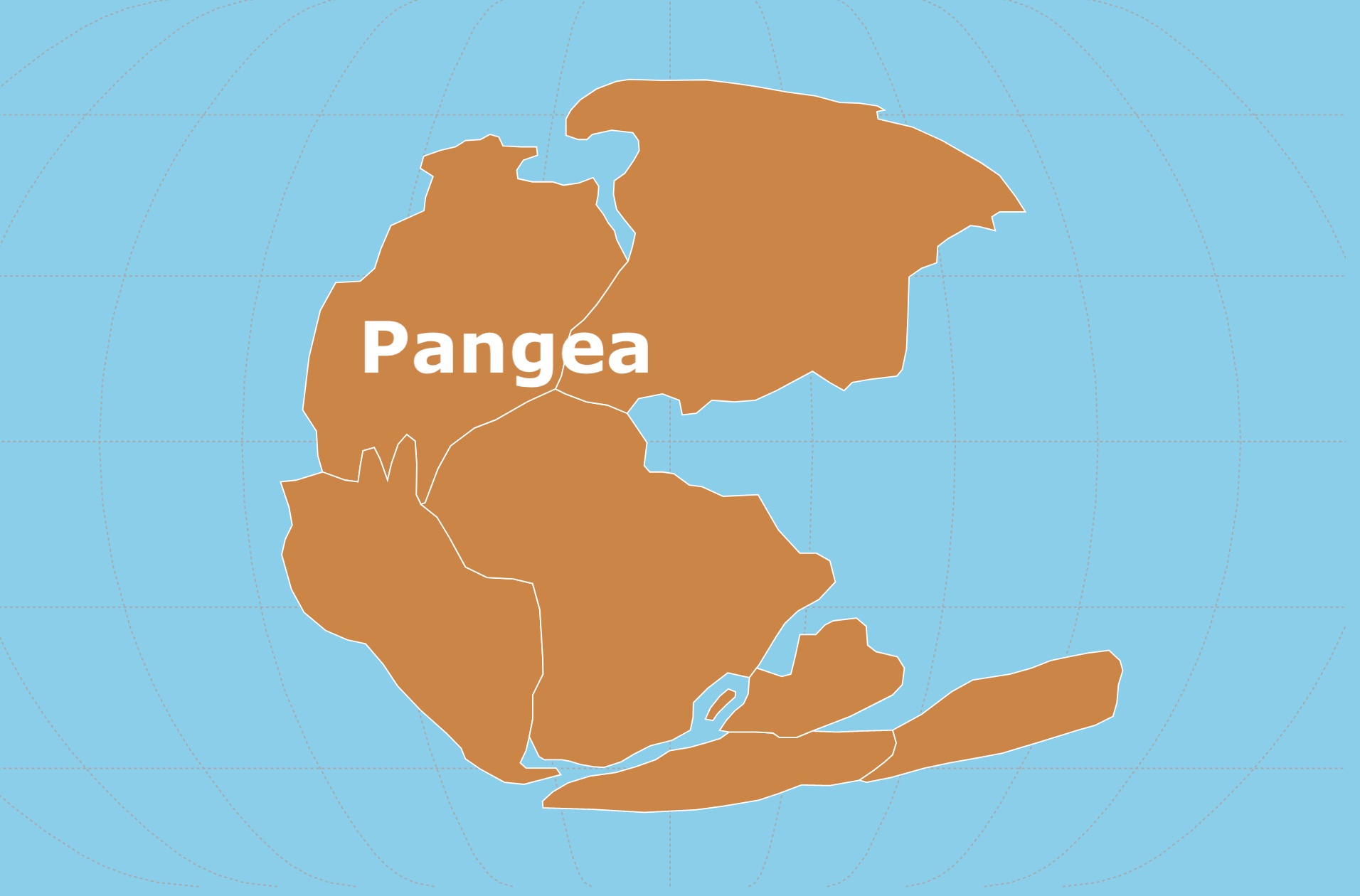
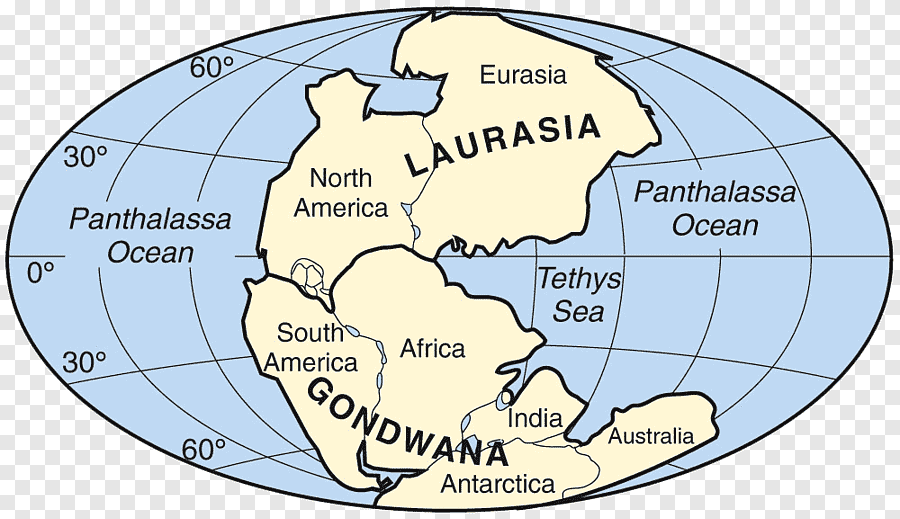
The continental drift theory states that; the present day continents have moved slowly to their current locations. In geological time scale and they have split away from a single super continent called PANGEA which means all lands.
Published from Blogger Prime Android App
This theory was provided in 1912, according to Wagener 300 million years ago the earth was united into one large land mass called PANGEA; the Pangea was surrounded by the ocean called PANTHALASA which means all oceans.
Published from Blogger Prime Android App
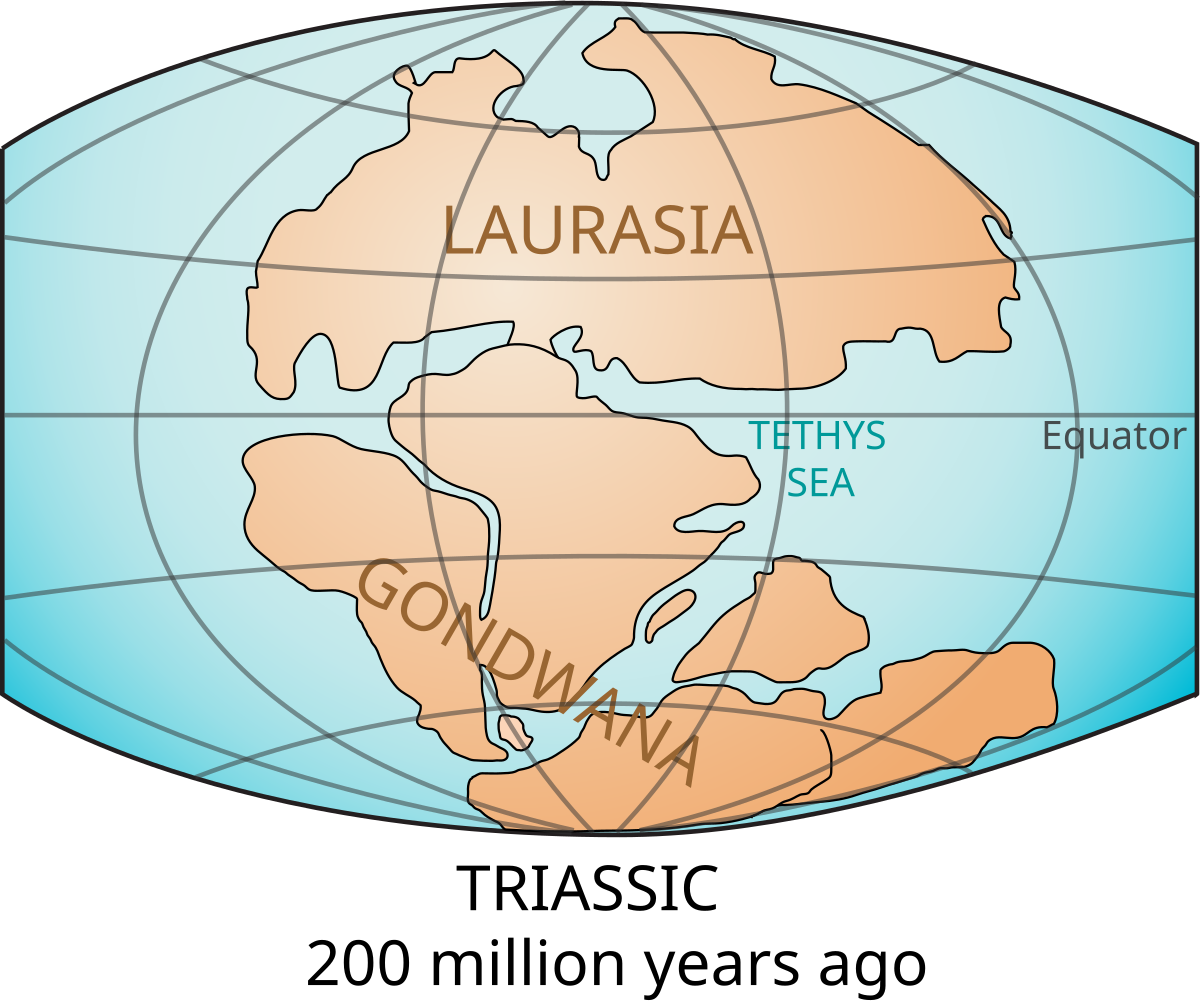
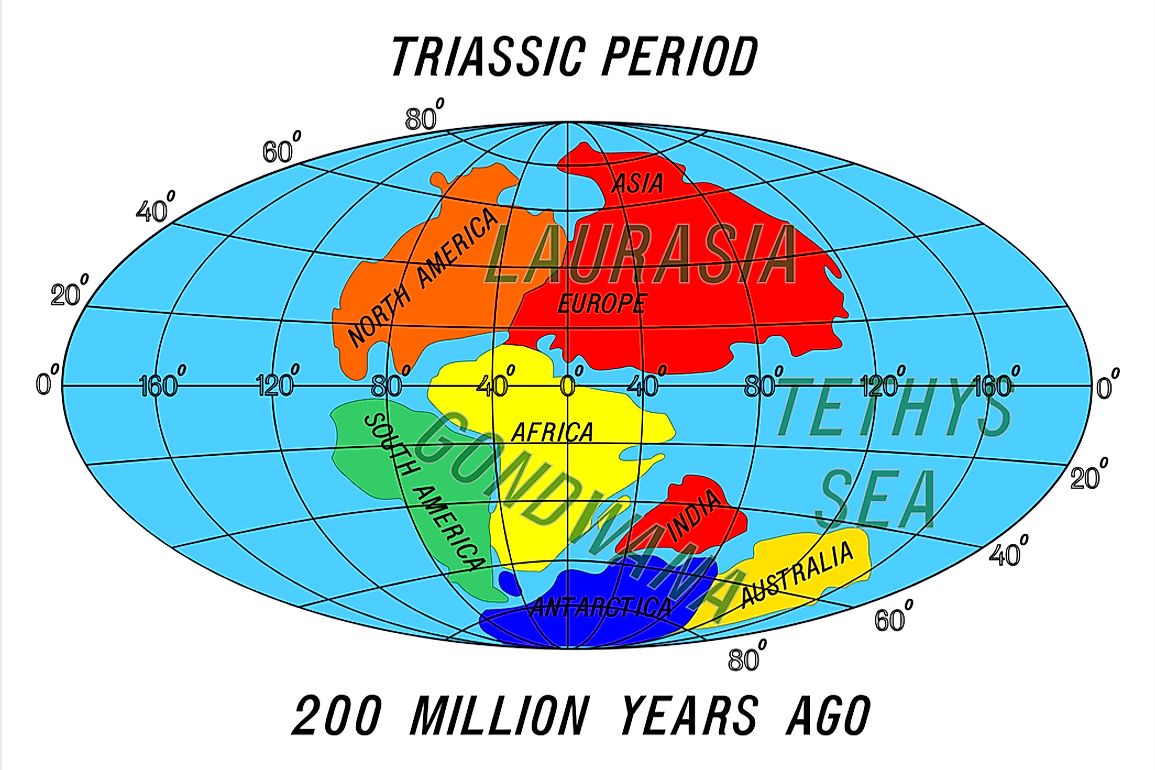
 About 150million later on the giant continent (Pangea
broke up to form two large continents, the Northern continent named LAURASIA and southern continent named GONDWANALAND. Hence this two large continent separated by the narrow sea called TETHYS which later on Mediterranean sea.
Published from Blogger Prime Android App
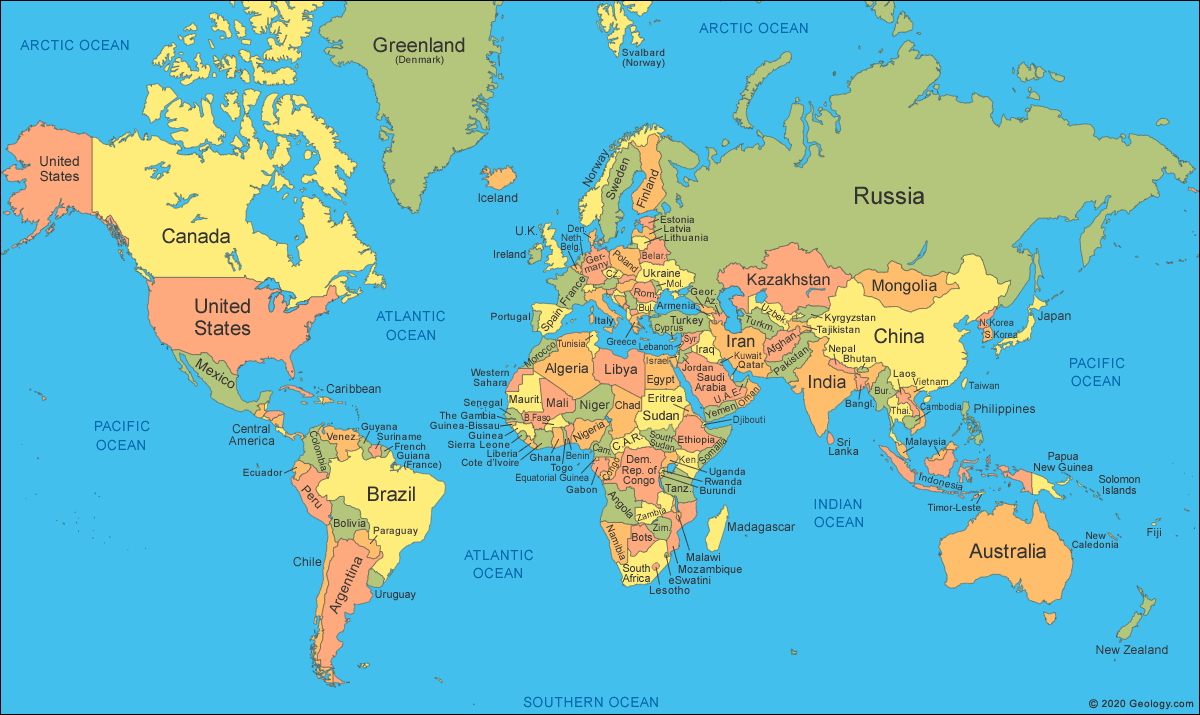
Then about 100 million years ago both LAURASIA and GONDWANALAND brock up and forms different continent example LAURASIA forms Asia, North America, Europe and Greenland, Arctic while GONDWANALAND forms continent like Africa, South America, Australia, Antarctica.
Published from Blogger Prime Android App
So drifting mechanism was a continuous process. 
Therefore today's continents and oceans where the results of drifting happen millions years ago.
Nowadays our world can be like that
Published from Blogger Prime Android App
The great supportive evidence of the theory "The throughly Jig saw fit"which was long time noticed buy Francis Bacon early 1620s.Sir Francis Bacon saw continent as a piece of puzzle not the remarkable similarity of the South America and Africa shoreline on a map 

THE EVIDANCES/CLUES SUPPORT CONTINENTAL 
DRIFT THEORY 
The roughly jig saw fit: The South America can be dragged and 
rotated (rotating is tricky by touch) so you can try to see how well 
it joins with Africa. Simple example the western coast of Africa 
and eastern coast of South America can be fitted together, but also 
western coast of Europe and the eastern coast of North America.
Biological evidence: The fossils of the same species were found 
in South America and South Africa. It is not possible for these 
organisms to travel over the vast water bodies of present day. The 
only way to explain it was that these two pieces of land were once 
connected. For example plants like glossopteris, misasouras, 
lestrosauras etc. 
Rock types / structures similarity (Geological evidence): 
Sequence of sedimentary and igneous rocks from the Appalachian Mountains of North America match the Caledonian Mountains of Scotland. Another example is Ancient Shield Mountains can be traced from East Brazil to West Africa. Also mountain ranges inBrazil extend to near the seashore and stop. Similar mountainranges begin at the corresponding seashore in Ghana in Africa. All of these mountain ranges appear to have the same age and to be
formed of the same kinds of rock. The rock strata in these and other mountain ranges would match perfectly if the coastlines of the two continents were lined up.
 
Paleoclimatic evidence: this is evidence based on the past climate of continents. Example Glacial striations in Brazil match those in West Africa. But also glacial deposits in India, South America and the Vaal Valley in South Africa are similar.

CRITISM/WEAKNESS/SKEPTICISM OF CONTINENTAL
DEIFT THEORY
● Most of its evidence depend on America and Africa few from other continent
● Biological evidence of plants similarity can be due pollination.
● Alfred Wagener did not explain what forces drives the landmass.
● Scientist discover that jig saw fit is not well fit to many continents
● Wagener was meteorologist and not geologist, so how he could explain about the landmass.
● Wagener failed to explain the development of glaciers on hot arid Australia.
● Wagener failed to explain the whole mechanism on how the solid landmasses move through the solid oceanic floor (Sima). Wegener thought that the continents were moving through the earth's crust,
like icebreakers plowing through ice sheets, and those centrifugal and tidal forces were responsible for moving the continents.
Opponents of continental drift noted that plowing through oceanic crust would distort continents beyond recognition, and that
centrifugal and tidal forces were far too weak to move continents one scientist calculated that a tidal force strong enough to move continents would cause the Earth to stop rotating in less than one year.

CONSEQUENCES/EFFECT OF CONTINENTAL DRIFT
● Formation of fold mountains eg. Himalaya
● Formation of rift valley eg East Africa rift valley
● Formation of oceanic ridges e.g. Atlantic oceanic ridges.
● Formation of continents. E.g. Africa, Asia and Europe
● Formation of oceans eg. Pacific, Atlantic and Indian Ocean
● Formation of oceanic trench eg. Mariana trench, Peru trench etc
● Its associate climatic changes eg in Greenland
● Formations f sea eg Mediterranean sea.
● Occurrence of earthquakes, volcanic eruption and fault.
THE SIGNIFICANT OF CONTINENTAL DRIFT THEORY
TO LIFE ON THE EARTH
● Formations of oceans.
● Formations of continent
● It Describes about past animals and plants across different
continents
● It describes about how climate changes on the different parts of the
earth.
● It helps Understanding on the formation of different features on the
earth and oceans.
● It improves geographical education through researches which led
new theories eg. Plate tectonic theory
● Explains on rocks types and rock similarities across various continent.

Jan 1, 2025

ORDINARY LEVEL BIOLOGY NOTES

 Pata notes za secondary kwa kidato cha kwanza hadi cha nne kupitia msomihurutz blog kwa kubofya link hapo chini

BIOLOGY NOTES FOR FROM ONE

http://www.msomibora.com/2018/07/biology-notes-for-form-one.html

BIOLOGY NOTES FOR FROM TWO

http://www.msomibora.com/2018/07/biology-notes-for-form-two.html

BIOLOGY NOTES FOR FROM THREE

http://www.msomibora.com/2018/07/biology-notes-for-form-three.html

BIOLOGY NOTES FOR FROM FOUR

http://www.msomibora.com/2018/07/biology-notes-for-form-four.html

Dec 31, 2024

CONCEPT OF GEOGRAPHY

CONCEPT OF GEOGRAPHY

 **Geography** is the study of places and the relationships between people and their environments. It encompasses both the physical properties of Earth's surface and the human societies spread across it. Geographers explore how human culture interacts with the natural environment and how locations and places can impact people¹².


Key concepts in geography include:


1. **Location**: Understanding where things are located on Earth. This can be absolute (using coordinates) or relative (describing a place in relation to other places).


2. **Place**: The physical and human characteristics that make a location unique. This includes natural features like mountains and rivers, as well as human-made features like buildings and roads.


3. **Human-Environment Interaction**: How humans adapt to and modify their environment. This includes studying the impacts of human activities on the environment and how environmental changes affect human life.


4. **Movement**: The study of how people, goods, and ideas move from one place to another. This includes migration, trade, and the spread of cultural practices.


5. **Region**: Areas that are defined by certain unifying characteristics, which can be physical, human, or a combination of both. Regions help geographers categorize and analyze spatial information.


 GENERAL: Geography is the study about man and its environment 


Geography is broadly divided into two main branches: **human geography** and **physical geography**. Each of these branches has several subfields:


### Human Geography

This branch focuses on the study of human activities and their relationship with the environment. Key subfields include:

- **Cultural Geography**: Examines cultural practices, languages, and religions.

- **Economic Geography**: Studies economic activities, industries, and trade.

- **Political Geography**: Analyzes political boundaries, governance, and geopolitical issues.

- **Population Geography**: Looks at population distribution, density, and demographics.

- **Urban Geography**: Focuses on cities, urbanization, and urban life.

- **Social Geography**: Investigates social structures and their spatial implications¹².


### Physical Geography

This branch deals with the natural environment and physical processes. Key subfields include:

- **Geomorphology**: Studies landforms and the processes that shape them.

- **Climatology**: Examines climate patterns and their effects.

- **Hydrology**: Focuses on water bodies and the hydrological cycle.

- **Biogeography**: Looks at the distribution of plants and animals.

- **Soil Geography**: Studies soil types and their distribution¹².


### Integrated Geography

Also known as environmental geography, this branch bridges human and physical geography to study the interactions between humans and their environment¹².


### Regional Geography

This branch focuses on specific regions of the world to understand their unique characteristics and how they differ from other regions¹².


Studying **geography** is important for several reasons:


1. **Understanding the Earth**: Geography helps us understand the physical features of the planet, such as landforms, climates, and ecosystems. This knowledge is crucial for comprehending natural phenomena and the Earth's history¹².


2. **Environmental Awareness**: With growing concerns over climate change and environmental degradation, geography provides the foundation for understanding and addressing these issues. It helps us appreciate the intricate web of ecosystems and the impact of human activities on the environment².


3. **Cultural Diversity**: Geography explores the various cultures around the world and how they are influenced by their environments. This understanding fosters greater appreciation and respect for cultural diversity².


4. **Global Connectivity**: In our interconnected world, geography helps us understand global trade, migration, and communication networks. It explains how different regions are linked and how global interdependence has grown².


5. **Urban Planning**: Geography is essential for effective urban planning and development. It helps planners design cities that are sustainable and resilient to environmental challenges².


6. **Disaster Management**: Geographic knowledge is vital for disaster preparedness and response. Understanding the physical and human geography of an area can help mitigate the impacts of natural disasters².


7. **Geopolitics**: Geography plays a crucial role in international relations and geopolitics. It helps us understand the strategic importance of different regions and the spatial dimensions of political power².


8. **Economic Development**: Geography informs economic activities by identifying the best locations for agriculture, industry, and trade. It helps in understanding the distribution of resources and the economic potential of different areas².


By studying geography, we gain a comprehensive understanding of the world and our place in it, which is essential for making informed decisions and addressing global challenges.


SOLAR SYSTEM

The **solar system** is a fascinating and complex structure. It consists of the Sun and all the objects that orbit it, including eight planets, their moons, dwarf planets, comets, asteroids, and other celestial bodies. Here are some key points:


1. **The Sun**: At the center of our solar system, the Sun is a G-type main-sequence star that provides the necessary heat and light for life on Earth¹.

2. **Planets**: There are eight planets divided into two categories:

   - **Terrestrial planets**: Mercury, Venus, Earth, and Mars, which have solid, rocky surfaces.

   - **Gas giants and ice giants**: Jupiter and Saturn (gas giants), Uranus and Neptune (ice giants), which are composed mainly of gases and liquids¹.

3. **Dwarf Planets**: These include Pluto, Eris, Haumea, Makemake, and Ceres².

4. **Moons**: Our solar system has over 200 known moons orbiting the planets².

5. **Other Objects**: There are also numerous comets, asteroids, and meteoroids scattered throughout the solar system³.


The solar system formed about 4.6 billion years ago from the gravitational collapse of a region within a large molecular cloud¹. It's located in one of the spiral arms of the Milky Way galaxy, known as the Orion Spur².


Dec 29, 2024

SHIRIKA LA NASA LAWEKA REKODI

Chombo cha anga za juu cha cha Marekani NASA kilichotengenezwa kinajaribu kuweka historia kwa kukaribia zaidi kwenye jua. Kifaa hicho kitakuwa kinakwenda kwa kasi zaidi kuliko kitu chochote kilichoundwa na binadamu, kwani kitakuwa na kasi ya 430,000 Mph, sawa na kuruka kutoka London hadi New York chini ya sekunde 30.


Chombo cha Parker Solar Probe kitatumika kuingia katika anga hewa ya nje ya sayari ya dunia yetu ambayo inazunguka jua kwa kitaalam hewa hiyo inaitwa CORONA, ambapo kifaa hicho kitastahimili halijoto kali na mionzi mikali ya jua.


Mbele ya kifaa hicho kinalindwa na ngao yenye unene wa 11.5cm (inchi 4.5) yenye mchanganyiko wa kaboni lakini mbinu ya chombo hicho ni kuingia na kutoka kwa haraka kwenye angahewa ya jua inayojulikana kama CORONA.


Dr. Nicola Fox, mkuu wa sayansi kutoka NASA, anasema; "kwa karne nyingi, watu wamejifunza jua, lakini hupati uzoefu wa mazingira ya mahali hadi utalitembelea, na kwa hivyo hatuwezi kuona anga ya nyota yetu isipokuwa tukipitia."


Kifaa cha Parker Solar Probe kilizinduliwa mwaka 2018, kuelekea katikati mwa mfumo wa jua. Tayari kifaa hicho kimepita jua mara 21, kikikaribia zaidi, lakini kwa mara hii wakati watu wakiwa kwenye mkesha wa krismasi awamu hii itakuwa ni ya kuvunja rekodi.


Nicola Fox wa NASA anasema: "tuko maili milioni 93 kutoka kwenye jua, kwa hivyo nikiweka jua na dunia umbali wa mita moja, kifaa cha Parker Solar Probe kiko sentimita nne kutoka kwenye jua, kwa hiyo ni karibu." Uchunguzi utalazimika kustahimili halijoto ya 1,400c na mionzi ambayo inaweza kufifisha kielektroniki cha ndani.


Dec 28, 2024

SEHEMU ZENYE MASALIA YA KALE NCHINI TANZANIA
Published from Blogger Prime Android App

Katika Tanzania kuna baadhi ya maeneo yenye masalia ya kale kama vile
1.OLDUPAI(ARUSHA)
Neno oldupai ni neno lililotokana na kimasai likimaanisha katani kutokana na mwanaakiolojia kushindwa kutamka kama OLDUVAI GORGE, Hili ni eneo ambalo mwanaakiolojia Dkt Louis Leakey na mkewe Dkt Marry Leakey waligundua fuvu la binadamu wa kale lililoitwa Zinjanthropus liligunduliwa mwaka 1959

2.ENGALUKA(ARUSHA)
Hii ni sehemu ambayo masalia ya mifumo ya Kilimo cha umwagiliaji iliyotumika na watu wa kale ilihifadhiwa

3.AMBONI(TANGA)
Hii ni sehemu maarufu kwa kumbukumbu ya urithi wa historia ya Tanzania kwa kuwa na mapango mkubwa yenye maumbo mbalimbali ya kihistoria

4.ISIMILA(IRINGA)
Hili ni eneo lenye masalia ya zana za mawe za mwanzo zilizotumika na wakazi wa eneo hili

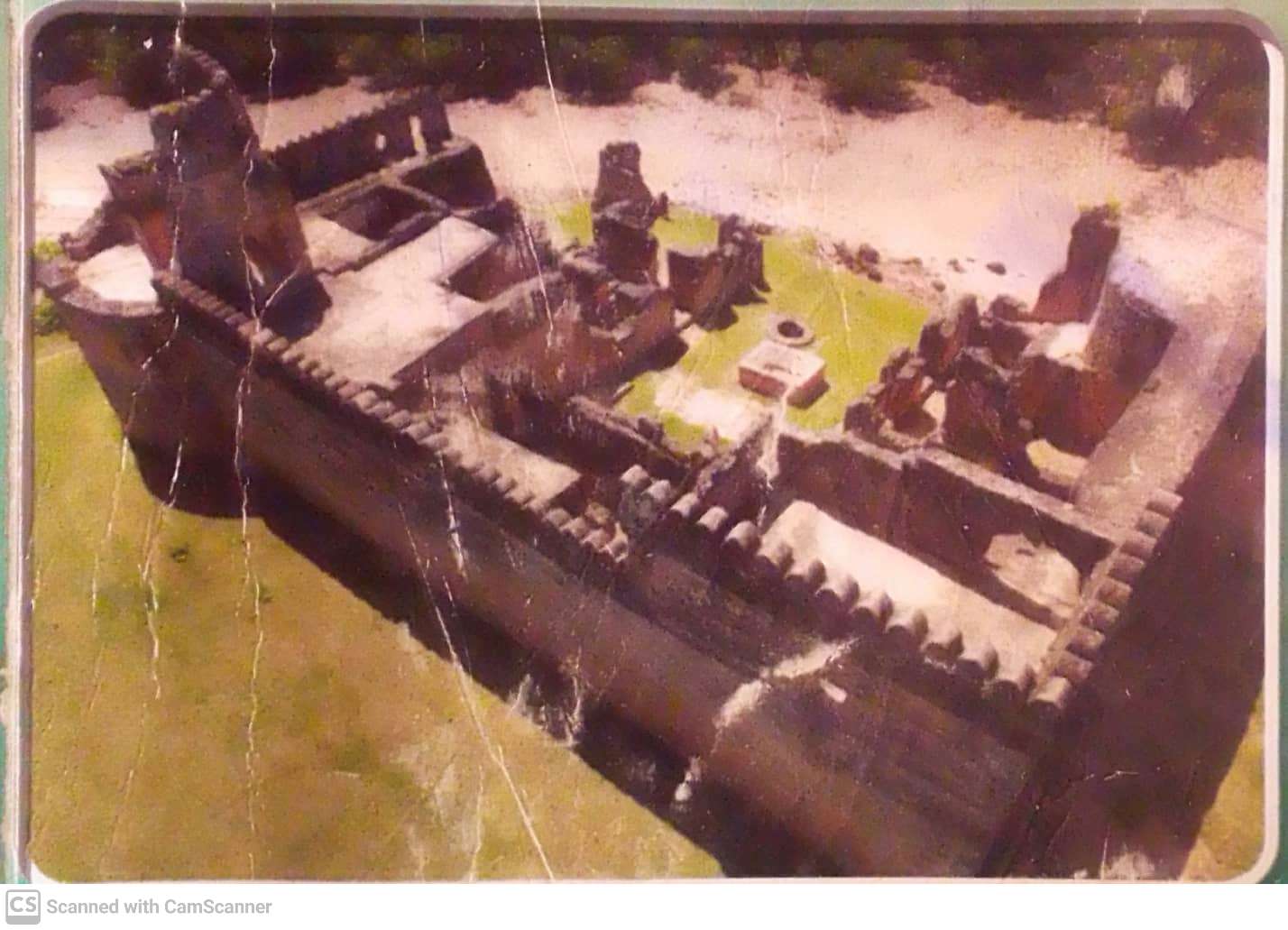
5.KILWA KISIWANI(LINDI)
Sehemu hii ni maarufu kwa kuwa na majengo ya kihistoria yaliyojengwa na waarabu ikiwemo misikiti

6.KAOLE NA MJI MKONGWE WA BAGAMOYO(PWANI)
Hili ni eneo la kihistoria ambapo hutunzwa kumbukumbu za kihistoria za mabaki ya masalia ya majengo ya misikiti na vito vya thamani kutokana Mashariki ya mbali na Asia.

7.KONDOA IRANGI(DODOMA)
Sehemu hii ni maarufu kwa kuwa na michoro mbalimbali ya mapangoni iliyochorwa katika miamba

Dec 25, 2024

ZANZIBAR REVOLUTION

ZANZIBAR REVOLUTION

Published from Blogger Prime Android App
The Zanzibar Revolution took place on January 12, 1964, and led to the overthrow of the Sultan of Zanzibar, Jamshid bin Abdullah, and his predominantly Arab government by the island's majority Black African population¹². This revolution was spearheaded by the Afro-Shirazi Party (ASP) and led by John Okello¹².

The revolution resulted in significant violence, with estimates of the death toll ranging from several hundred to 20,000 people¹². Many Arabs and South Asians were killed, and their properties were looted. The revolution also led to the establishment of the People's Republic of Zanzibar, with Abeid Karume becoming the new president¹².

This event was a pivotal moment in Zanzibar's history, leading to its eventual union with Tanganyika to form the United Republic of Tanzania in April 1964².

The Zanzibar Revolution was driven by several key factors:

1. **Ethnic and Racial Tensions**: The Arab minority, which had historically held power and wealth, dominated the political and economic landscape, leading to significant resentment among the African majority¹².

2. **Political Exclusion**: Despite winning a majority of the votes in the 1963 elections, the Afro-Shirazi Party (ASP), representing the African population, was underrepresented in the government due to the electoral system favoring the Arab minority¹².

3. **Economic Inequality**: The Arab elite controlled much of the land and wealth, while the African population faced poverty and limited economic opportunities¹².

4. **Colonial Legacy**: The British colonial administration had maintained the status quo, allowing the Arab minority to continue exploiting the African majority even after the abolition of slavery².

5. **Fear of Repression**: There were fears among the African population that the Arab government planned to further marginalize and oppress them³.

These factors culminated in the revolution on January 12, 1964, leading to the overthrow of the Sultan and the establishment of the People's Republic of Zanzibar¹².

The Zanzibar Revolution had several significant effects:

1. **Political Change**: The revolution led to the overthrow of the Sultanate and the establishment of the People's Republic of Zanzibar, with Abeid Karume as the president. This marked the end of Arab dominance and the beginning of African leadership in Zanzibar.

2. **Union with Tanganyika**: In April 1964, Zanzibar merged with Tanganyika to form the United Republic of Tanzania. This union aimed to stabilize the region and prevent further conflicts.

3. **Social and Demographic Impact**: The revolution resulted in the deaths of many Arabs and South Asians, and significant numbers of these communities fled the island. This led to a demographic shift and changes in the social fabric of Zanzibar.

4. **Economic Changes**: The new government implemented policies to redistribute land and wealth, aiming to reduce economic disparities. However, these changes also led to economic challenges and disruptions.

5. **International Relations**: The revolution and subsequent union with Tanganyika influenced Zanzibar's foreign policy, aligning it more closely with socialist and non-aligned movements during the Cold War.

These effects reshaped Zanzibar's political, social, and economic landscape, leaving a lasting legacy on the island and its people.


UJASIRIAMALI

UJASIRIAMALI

Published from Blogger Prime Android App

UJASIRIAMALI:
Ni kitendo cha uwekezaji mtaji katika shughuli za biashara ili kuweza kupata faida

Mgawanyo wa makundi ya ujasiria mali
Mgawanyo katika makundi haya umefanywa kutokana na idadi ya wafanyakazi na kiasi cha mtaji anachomiliki mjasiriamali biashara kama ifuatavyo

1.Ujasiriamali biashara mdogo mdogo:kundi hili linawafanyakazi wasiozidi wanne na mtaji usiozidi shilingi milioni tano.
2.Ujasiriamali biashara mdogo: kundi hili linawafanyakazi watano hadi 49 na mtaji wa kuanzia milioni tano hadi milioni mia mbili.
3.Ujasiriamali biashara wa kati: hili ni kundi lenye wafanyakazi kati ya 50 hadi 99 na wenye mtaji wa zaidi ya shilingi milioni mia mbili hadi milioni mia nane
4.Ujasiriamali biashara mkubwa: Kundi hili linawafanyakazi 100 na zaidi na mtaji wa zaidi ya shilingi milioni mia nane.

SIFA ZA MJASIRIAMALI
Zipo sifa zinazomfanya mtu kuwa mjasiriamali. Sifa hizi ni kama ifuatavyo;
1.Awe mtu mwenye maono na anayetimiza ndoto yake mwenyewe
2.Awe na uwezo wa kuwashawishi wengine kununua bidhaa au huduma anayoitoa.
3.Awe mtu mbunifu anayeweza kutatua changamoto na matatizo yanayoikabili jamii inayohusika.
4.Awe ni mtu mwenye uwezo wa kuwasikiliza wateja wake na kuwahudumia kwa kadri ya mahitaji yao
5.Awe na uwezo wa kuyatambua mahitaji ya jamii na kuyatimiza kwa kuanzisha biashara itakayokudhi mahitaji husika.
6.Awe ni mtu mwenye uthubutu wa kufanya kitu anachofikiria kwa vitendo.
7.Awe ni mtu mwenye ujasiria wa kufanya maamuzi kwa wakati na kuyasimamia
8.Awe ni mtu anayeweza kubadilika kulingana na mazingira
9.Awe mchapakazi na anayejituma
10.Awe mpambanaji

FAIDA ZA UJASIRIAMALI 
Zipo faida nyingi za kuwa mjasiriamali
1.Kufanya shughuli unayoipenda
2.Kutumia vipaji vyako vizuri kwa sababu utakuwa mbunifu kila wakati
3.Kujiongoza na kijisimamia mwenyewe badala ya kusimamiwa na kuongozwa na mtu
4.Kujipatia kipato binafsi na familia yako
5.Kupata ajira na kutoa fursa za ajira kwa wengine
6.Kupata rasilimali ambazo unaweza kurithusha watoto
7.Kutumia ipasavyo rasilimali zinazopatikana katika mazingira
8.Kutoa bidhaa na huduma wanazizihitaji wengine
9.Kuchangia ukuaji wa uchumi na kupunguza umaskini kwenye jamii na Taifa
10.Kupunguza tofauti za maendeleo baina ya watu, mikoa na nchi kwani biashara hukuza uchumi wa mtu binafsi na Taifa kwa ujumla

Mambo muhimu ya kuzingatia kabla ya kuanza ujasiriamali biashara
1.kuwa na wazo la kibiashara
2.Fanya utafiti wa wazo lako na mahali unapofanyia ujasiriamali
3.Andaa mpango wa biashara
4.Fahamu mahitaji ya wateja wako
5.Jifunze kuhudumia watu
6.Jenga tabia ya kujifunza vitu vipya
7.Zingatia masuala ya kisheria
8.Kujiamini kwa kile unachitaka kufanya
9.Pata elimu ya masuala ya fedha
NB:tumia washauri wenye uwezo kupata maelezo kuhusu yafuatayo:
(a)kiasi cha fedha unachohitaji ili kuanzisha biashara inayohusika
(b) kiasi cha fedha utakachohitaji kama gharama za uendeshaji
(c) Biashara yako itatengeneza faida kiasi gani
(d)Utauza kiasi gani kabla ya kupata faida

CHANGAMOTO ZINAZOWAKABILI WAJASIRIAMALI BIASHARA WADOGOWADOGO NA WADOGO WA TANZANIA 
1.Upungufu wa mtaji wa kufanya ujasiriamali biashara
2.Kutokuwa na soko la uhakika la bidhaa
3.Mahitaji kidogo ya bidhaa na huduma
4.Bei ndogo ya bidhaa na huduma zinazotolewa na wajasiriamali biashara
5.Gharama kubwa za kupata mukopo kwa ajili ya shughuli za ujasiriamali biashara
6.Urasimu kutoka kwenye namlaka zinazohusika na shughuli za ujasiriamali biashara
7.Ukosefu wa malighafi
8.Upungufu wa wataalamu wa kutengeneza bidhaa na kutoa huduma
9.Kutokuwa na maarifa ya kutosha juu ya kufanya ujasiriamali biashara kwa ufanisi
10.Kukosa taarifa muhimu zinazohusu wateja au masoko na bidhaa zinapatikana

Zipo Imani potofu kuhusu ujasiriamali biashara ambazo ni
1.ujasiriamali biashara ni kipaji cha kuzaliwa
2.Uwezo mkubwa wa kifedha
3.Wajasiriamali biashara ni watu waliofeli kielimu na kijamii
4.Ili ufanye biashara kwa mafanikio lazima usome masomo ya biashara
Njia za kukabuliana na changamoto zinazowakabili wajasiriamali biashara wa Tanzania
1.Serikali kuboresha huduma za wajasiriamali biashara.mfano uboreshaji wa miundombinu
2.Kuboresha mafunzo ya utengenezaji wa bidhaa mbalimbali mfano kutengeneza viatu,sabuni
3.Kupunguza urasimu katika maswala yanayohusu kufanya biashara
4.Kuboresha mifumo ya ulipaji kodi kwa wajasiriamali biashara
5.Kuimarisha soko la ndani na nje la bidhaa zinazozalishwa na wajasiriamali biashara wa Tanzania
6.Serikali kurahisisha upatikanaji wa mukopo
7.Serikali kudhibiti bidhaa na huduma feki

Baadhi ya changamoto ambazo mtu binafsi anatakiwa kukabiliananazo
1.Kutafuta elimu ya ujasiriamali kutegemeana na biashara unayoifanya
2.Kuanza biashara na mtaji mdogo kisha kuendeleza biashara kadri mtaji unavyokuwa
3.Kushirikiana na watu wenye fedha lakini hawana mawazo ya kufanya ujasiriamali biashara
4.Kujenga uaminifu kwa kutoa huduma bora na kutunza ahadi ili kuendelea kupata wateja
5.Kuuza bidhaa unayoendana na wakati na mahitaji ya mahali panapohusika
6.Kufanya utafiti wa kina kuhusu soko kabla ya kuzalisha au kununua na kuuza bidhaa, hii itaepusha kupata hasara
7.Kubuni njia za kuboresha bidhaa, huduma na usimamizi wa biashara kila wakati
8.Kutunza kumbukumbu sahihi na kamilifu za biashara yako ili kuelewa kinachoendelea na kutoa uamuzi sahihi 

Dec 24, 2024