Jan 24, 2025

Jan 21, 2025

BERLIN CONFERENCE

BERLIN CONFERENCE

THE PARTITION OF AFRICA DURING THE BERLIN CONFERENCE IN 1884-1885
What is Berlin conference?
Was the Imperialist meeting which was hold among European power in Berlin (the capital city of Germany) for the aim of dividing up the Africa continent peacefully.
>The conference was hold by chancellor OTTO VON BISMARCK of Germany from November 1884 to February 1885

THE ATTENDANTS
The attendants of Berlin conference were fourteen (14) European power who had interested in Africa such as British, Portugal, Spain, Germany, France, Belgium, Italy, Russia, Sweden, Norway,U.S.A, Denmark, Austria-Hungary and Netherland
Note:U.S.A and Denmark attended in Berlin conference as observes, while Africans were not attended in the meeting because they were main agenda of the conference.

MOTIVES/REASONS/OBJECTIVES OF THE BERLIN CONFERENCE OF 1884-1885
(Why was the conference convened?)
Addressive the problems in Europe
To provide guideline for future acquisition of colonies in Africa
To find the ways of partition of Africa
To look the way of controlling Africa
To prevent war
To identify richness area
To solve some claims.exaple Portugal claims over Congo
To confirm the information brought by agent
OTTO VON BISMARCK wanted to pat himself in the world of history

EVENT LEADING TO BERLIN CONFERENCE OF 1884-1885
>The event were
Scramble for Africa
The roles of agent
Industrialization in Europe
The role of Otto von Bismarck
Conflict among European power

THE PRINCIPAL/TERMS AGREEMENT/RESOLUTION REACHED DURING BERLIN CONFERENCE
**All Europe an power agree on the following terms.
a) Abolition of slave trade
->All agree to stop slave trade to favor regitimate trade
b) Notification of other power
>This agreed inorder to reduce conflicts
c) Freedom of Navigation
>The major water bodies like lakes, rivers and ocean should be used to All power for trading activities
d) Freedom of trade
>The area with high like Congo,Niger and Egypt where to be used by all power for trading activities
e) Effective occupation
>Any European nations which have claimed in Africa should occupy the colonies immediately.
f) Missionary Tolerance
>The Missionary in the colonies were allowed to conduct their preaching without being interfered
g)To suppress the Africa resistance

THE EFFECT/OUTCOMES/THE CONSEQUENCE OF THE BERLIN CONFERENCE TO AFRICA
i) Drawing of boundaries
>The boundaries between country were established
ii) Formation of modern state
>Example Gold coast (Ghana), Nyasaland (Malawi), Tanganyika (Tanzania)
iii) Introduction of legitimate trade
>The trade based on the collection of minerals and other natural products.The trade which replaced slave trade.
iv) Total colonization of Africa
>The Berlin conference had led to the African continent to be partitioned and colonised by European power easily
v) Total abolition of slave trade
>The Berlin conference had resulted to total abolition of slave trade within many parts of African colonies
vi) Formation of other treaties
>Example Delimitation and Heligoland treat between Germany, British and Sultan since both were struggling for those area and were not satisfied
vii) Separation of tribes
>Example Kurya and Masai who fell in Tanganyika and Kenya.
viii)Influx of trading company
>Example IBEACO GEACO BSACO
ix) Introduction of European language in Africa eg.Franco phase,Anglo phese,Luso phese

PARTITION OF EAST AFRICA
>The partition of East Africa was done through signing two treaties namely Delimitation treat of 1886 and Heligoland treat of 1890

A.DELIMINATION TREAT (First Anglo-Germany Agreement of 1886)
>This was agreement signed on October 1886 between British and Germany to occupy East Africa
>The two parts or power had agreed on the following
i) Sultan took Zanzibar,Pemba, Mafia and Lamu
ii) Germany took Tanganyika
iii) British took Uganda and Kenya
iv)Witu area in Kenya was taken by Germany
v) Sultan was added ten coastal from mainland except Dar es salaam
>These above are called terms/agreement/resolution/effects/impact of Delimitation treat 1886

B. HELIGOLAND TREAT (The second Anglo-Germany Agreement of 1890
>It was the second treat signed between British and Germany to occupation of EAST AFRICA.it took place in 1890.the results of this agreement were
i) Germany took Tanganyika,Rwada, and Burundi
ii) British took Kenya and Uganda
iii) Sultan took only Zanzibar
iv) Germany lost witu in Kenya
v) British was made a protectorate of Zanzibar
vi) Political boundaries were differed

ESTABLISHMENT OF COMPANY RULE IN AFRICA
THE ESTABLISHMENT OF COMPANY RULE IN AFRICA
What is company rule?
>This was the Imperialist chartered companies which established in Africa to main colonial activities.The company rule were introduced during the 19th century
>Example of company rule were
i) British East Africa Company (BEACO)-1886
>Under William Macknon
ii) Germany East Africa Company (GEACO)-1884
>Under Carl Peters
iii) British Royal Niger Company -1884
>Under George Goldie
iv) British South Africa Company (BSACO)-1884
>Under Cecil Rhodes
v) Africa International Association
>Form by King Leopard ii.
vi) Livingston Central Africa Company-1878
>Formed James Stephen from Scotland

FUNCTION/OBJECTIVE/AIMS OF COMPANY IN AFRICA
i) To build infrastructure
>Example roads, railways place to place so as to ensure good transportation
ii) To suppress African resistance
>Done it perfectly so as to ensure peace and harmony
iii)To supervise production
>Aimed at surpeviced production activities such as Agriculture within boundaries
iv)To maintain peace and order
>This to ensure colonial government gona well
v) To open up plantation
>Example sisal plantation in morogoro, cotton plantation and other projects
v) signing fake treaties
>They done on behalf of their government

REASONS/THE FACTORS FOR THE FAILURE OF COMPANY RULE IN AFRICA
i) Misuse of fund
>Leaders of the company were mis-use of the company's money for the own interest that is why they failed
ii) Strong African resistance
>Many areas in Africa opposed company rule
iii) Tropical disease
>Example malaria whore many European were killed
iv)Poor geographical knowledge
>Most of them had little knowledge leading them got lost being killed by insect and animals like lion and other did not attend in the specific area
v) Language barrier
>The poor communication between white and Africans leading to the failure of company rule
vi) Financial problem
>The leaders had a shortage of money to run the company activities

Jan 20, 2025

Jan 19, 2025

TENCHOLOGICAL INNOVATIONS

 Technological innovation refers to the process of developing and applying new or improved technologies to create significant advancements or breakthroughs in various fields¹². This can involve new products, processes, or services that solve problems, improve efficiency, and drive progress.


### Key Aspects of Technological Innovation

1. **Creation and Application**: It involves both the invention of new technologies and the practical application of these technologies to meet specific needs¹.

2. **Improvement**: It can also mean enhancing existing technologies to make them more effective or efficient².

3. **Impact**: Technological innovations often lead to significant changes in industries, economies, and societies by improving quality of life, boosting economic growth, and addressing complex challenges¹.

Examples

- **Internet**: Revolutionized communication, information sharing, and commerce².

- **Smartphones**: Combined multiple technologies into a single device, transforming how we communicate and access information².

- **Renewable Energy**: Innovations in solar and wind energy are helping to combat climate change and reduce reliance on fossil fuels¹.


Technological innovation is a continuous journey driven by human ingenuity and the pursuit of efficiency and excellence².


Technological innovations are driven by a variety of factors that encourage the development and application of new technologies. Here are some key causes:y

 Causes of tenchological innovations

1. **Scientific Research and Discovery**: Advances in scientific knowledge often lead to new technologies. For example, research in physics and chemistry has led to innovations in electronics and materials science².

2. **Economic Incentives**: The potential for profit and economic growth motivates companies and individuals to invest in new technologies. Market competition also drives innovation as businesses strive to gain a competitive edge².

3. **Government Policies and Funding**: Governments often support technological innovation through funding for research and development, tax incentives, and policies that encourage innovation. For instance, space exploration and defense projects have led to numerous technological advancements².

4. **Social Needs and Challenges**: Innovations often arise in response to societal needs and challenges, such as healthcare, environmental sustainability, and communication. For example, the development of renewable energy technologies is driven by the need to address climate change².

5. **Technological Convergence**: The combination of different technologies can lead to new innovations. For example, the convergence of computing, telecommunications, and media technologies has led to the development of smartphones and the internet².


These factors create an environment that fosters creativity and the development of new technologies, leading to continuous advancements and improvements in various fields.

Technological innovations have had profound effects on various aspects of society. Here are some key impacts:


### Positive Effects

1. **Healthcare Improvements**: Technology has revolutionized healthcare through advancements like electronic health records, telemedicine, and AI-powered diagnostics. These innovations have improved patient care, accessibility, and treatment outcomes¹.

2. **Educational Transformation**: Technology has enabled personalized learning and global access to education through online platforms. This has enhanced student engagement and educational attainment, particularly in underserved regions¹.

3. **Enhanced Communication**: The internet and smartphones have transformed communication, making it instantaneous and global. This has fostered collaboration and understanding across cultures¹.

4. **Economic Growth**: Technological advancements have boosted productivity and efficiency in various industries, leading to economic growth and job creation².

5. **Environmental Solutions**: Innovations in renewable energy and sustainable technologies are helping to combat climate change and reduce environmental impact².


### Negative Effects

1. **Job Displacement**: Automation and AI can lead to job losses in certain sectors, requiring workers to adapt and acquire new skills³.

2. **Privacy Concerns**: Increased digital connectivity raises concerns about data privacy and security³.

3. **Digital Divide**: Not everyone has equal access to technological advancements, leading to disparities in opportunities and benefits³.


Overall, while technological innovations have brought significant benefits, they also present challenges that need to be addressed to ensure equitable and sustainable progress.


Jan 18, 2025

INDUSTRIAL REVOLUTION

 The Industrial Revolution was a transformative period from the late 18th to the early 19th centuries, marked by a shift from agrarian economies to industrialized ones¹². Here are some key aspects:


### Causes

1. **Technological Innovations**: Inventions like the steam engine, spinning jenny, and power loom revolutionized production processes¹.

2. **Economic Factors**: The rise of capitalism and the availability of capital for investment in new technologies and factories².

3. **Agricultural Improvements**: Advances in farming techniques increased food production, supporting a growing population and freeing labor for industrial work².

4. **Natural Resources**: Abundant coal and iron ore in Britain provided the raw materials needed for industrialization¹.


### Effects

1. **Urbanization**: Massive migration from rural areas to cities as people sought work in factories².

2. **Economic Growth**: Significant increases in productivity and economic output¹.

3. **Social Changes**: The rise of a new industrial working class and the expansion of the middle class².

4. **Environmental Impact**: Increased pollution and environmental degradation due to industrial activities¹.

The Industrial Revolution began in Britain and spread to other parts of Europe and North America, profoundly changing societies and economies worldwide¹².


Jan 16, 2025

NGONI MIGRATION

NGONI MIGRATION

 The Ngoni migration was a significant movement of people in Southern Africa during the early 19th century. The Ngoni people, originally part of the Nguni ethnic group from KwaZulu-Natal in South Africa, were displaced due to the rise of the Zulu empire under Shaka Zulu¹².


Key points about the Ngoni migration include:


- **Leadership of Zwangendaba**: One of the prominent leaders, Zwangendaba, led a group of Ngoni northward through Mozambique and Zimbabwe, eventually settling around Lake Tanganyika¹².

- **Formation of New States**: The Ngoni established several independent states in present-day Malawi, Zambia, and Tanzania. They used Zulu military techniques to conquer and integrate local populations¹².

- **Impact on Local Societies**: The migration and subsequent conquests led to significant social and political changes in the regions they settled. The Ngoni integrated many of the people they conquered, creating a diverse and complex society².


The Ngoni migration is a fascinating example of how the rise of powerful states can lead to widespread displacement and cultural transformation.

The Ngoni migration was driven by several interconnected factors during the early 19th century¹²:


1. **Zulu Expansion and Conflicts**: The rise of the Zulu kingdom under King Shaka led to significant military conflicts and territorial expansion. This forced many groups, including the Ngoni, to flee their homelands to avoid subjugation¹².

2. **Population Pressure**: Increasing population density in the Ngoni's original territories created competition for resources, prompting them to seek new lands².

3. **Drought and Environmental Stress**: Severe droughts and environmental challenges made it difficult to sustain their livelihoods, pushing the Ngoni to migrate in search of more fertile areas².

4. **Slave Trade**: The demand for slaves in the region led to increased raids and conflicts, contributing to the instability and displacement of communities².

5. **Search for Livelihood**: As pastoralists and skilled warriors, the Ngoni relied on cattle herding. They migrated to find better grazing lands and to raid for cattle, which were central to their economy and social structure².


The Ngoni migration had several significant effects on the regions they settled in¹²:


1. **Cultural Syncretism**: The Ngoni migration led to the blending of their culture with those of the local populations. This resulted in new cultural practices, traditions, and languages².

2. **Conflict and Displacement**: As the Ngoni moved into new territories, they often engaged in conflicts with existing communities. This led to the displacement of local populations and disruption of social structures¹.

3. **Economic Impact**: The Ngoni introduced new agricultural techniques, trade networks, and economic practices, which often led to economic growth and development in the areas they settled¹.

4. **Political Changes**: The Ngoni established new chiefdoms and kingdoms, altering the political landscape and power dynamics in the regions they inhabited².

5. **Social Integration**: The migration facilitated social integration and intercultural exchange between different ethnic groups, leading to the sharing of knowledge, ideas, and technologies¹.


Overall, the Ngoni migration had a profound impact on the cultural, economic, political, and social dynamics of the regions they settled in.


Jan 13, 2025

THE MIRAGE

THE MIRAGE

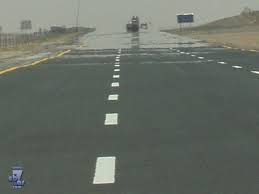
A mirage** is an optical phenomenon that creates the illusion of water or a displaced image of distant objects. It occurs due to the refraction (bending) of light rays as they pass through layers of air with varying temperatures and densities¹².

Causes of the mirage
Mirages are primarily caused by **atmospheric refraction**. This happens when light rays travel through air layers with different temperatures. For example, on a hot day, the ground heats the air above it, creating a temperature gradient. Light rays bend when they pass through these layers, causing the illusion²³.

Types of the mirage
- **Inferior Mirage**: This type appears below the actual object. It often looks like a pool of water on the road or desert, reflecting the sky¹².
Published from Blogger Prime Android App
- **Superior Mirage**: This type appears above the actual object. It can make objects appear higher than they are, sometimes creating the illusion of floating objects¹.
- **Fata Morgana**: A complex form of superior mirage that can create multiple, vertically stacked images of an object¹

Importance of the mirage
Mirages are important for understanding **optical phenomena** and **atmospheric conditions**. They illustrate how light behaves in different environments and can be used to study temperature gradients and air density variations. Additionally, mirages have cultural and historical significance, often appearing in literature and folklore as mysterious or magical occurrences¹².


DEMOGRAPHIC REVOLUTION

 The **demographic revolution**, often referred to as the **demographic transition**, describes the shift from high birth and death rates to low birth and death rates as a society develops economically and socially. This transition typically occurs in four stages:


1. **Stage 1: Pre-Industrial Society**: Both birth rates and death rates are high, resulting in a relatively stable population with slow growth. High mortality rates are due to limited medical knowledge, poor sanitation, and frequent famines and diseases¹².


2. **Stage 2: Early Industrial Society**: Death rates begin to decline significantly due to improvements in healthcare, sanitation, and food supply. Birth rates remain high, leading to rapid population growth¹².


3. **Stage 3: Mature Industrial Society**: Birth rates start to decline as a result of changes in social values, increased access to contraception, and economic shifts that make large families less advantageous. Population growth begins to slow¹².


4. **Stage 4: Post-Industrial Society**: Both birth rates and death rates are low, stabilizing the population. In some cases, birth rates may fall below death rates, leading to a declining population¹².


This model helps explain the demographic changes observed in many countries over the past few centuries. The transition is influenced by factors such as economic development, education (especially of women), and advancements in healthcare¹².

The **demographic revolution**, or demographic transition, was driven by several key factors:


1. **Economic Development**: Industrialization and economic growth improved living standards, leading to better nutrition, housing, and overall quality of life. This contributed to lower mortality rates¹².


2. **Advancements in Healthcare**: Improvements in medical knowledge and healthcare practices, including vaccinations and antibiotics, significantly reduced death rates, especially infant and child mortality¹².


3. **Improved Sanitation and Public Health**: Better sanitation, clean water supply, and public health measures reduced the spread of infectious diseases, further decreasing mortality rates¹².


4. **Education**: Increased access to education, particularly for women, led to greater awareness of family planning and reproductive health. Educated women tend to have fewer children and invest more in their upbringing¹².


5. **Urbanization**: The shift from rural to urban living changed family structures and economic incentives. In urban areas, the cost of raising children is higher, and there is less economic benefit from having large families¹².


6. **Cultural and Social Changes**: Changes in social norms and values, including the acceptance of smaller family sizes and the use of contraception, played a significant role in reducing birth rates¹².


These factors collectively contributed to the transition from high birth and death rates to lower birth and death rates, resulting in slower population growth and significant demographic changes.

The **demographic revolution**, or demographic transition, had several significant effects on societies:


1. **Population Growth**: Initially, the decline in death rates led to rapid population growth. This was particularly evident during the second stage of the transition when birth rates remained high while death rates fell.


2. **Urbanization**: As populations grew, there was a significant migration from rural areas to cities. This urbanization was driven by the search for better economic opportunities and living conditions.


3. **Economic Development**: The demographic transition supported economic growth by providing a larger workforce. As mortality rates fell and life expectancy increased, more people contributed to the economy for longer periods.


4. **Changes in Family Structure**: With declining birth rates, family sizes became smaller. This shift allowed families to invest more resources in each child, improving education and health outcomes.


5. **Aging Population**: In the later stages of the demographic transition, lower birth rates and higher life expectancy led to an aging population. This shift poses challenges for social services and healthcare systems, as a larger proportion of the population is elderly.


6. **Social and Cultural Changes**: The demographic transition influenced social norms and values, including attitudes towards family size, gender roles, and the use of contraception.


These effects highlight the profound impact of the demographic revolution on the development of modern societies.
Jan 12, 2025

MFUMO WA JUA

MFUMO WA JUA

MFUMO WA JUA
Dhana ya Mfumo wa jua.
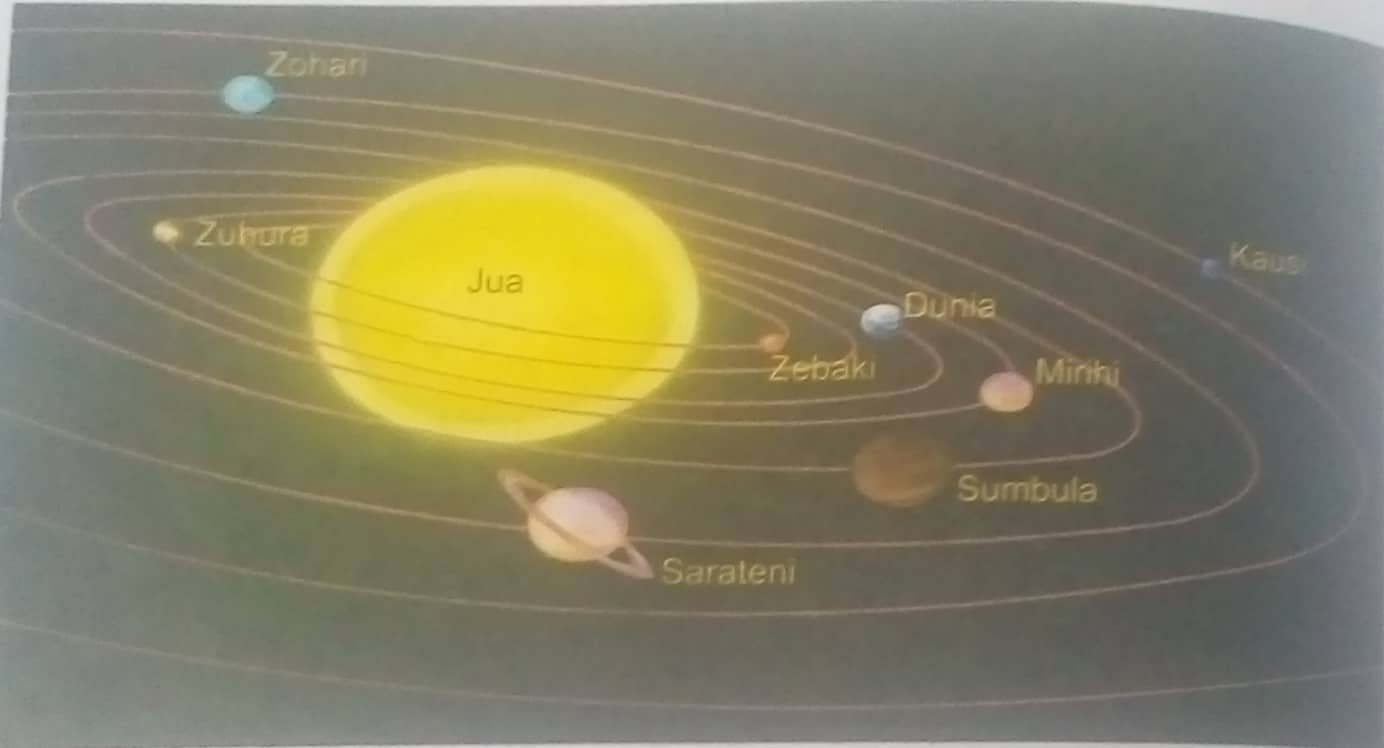
Ni mpangilio wa sayari nane na magimba mengine yaliyoko angani yanayolizunguka jua.
Gimba ni kitu kinachoelea angani kikilizunguka jua kupitia njia yake maalumu. Licha ya sayari nane yapo magimba mengine angani ambayo ni pamoja na vimondo, meteori, kometi, na asteroidi.
Hivyo basi, Mfumo wa jua unaundwa na jua, sayari, vimondo,meteori,kometi,asteroidi,satalaiti,vumbivumbi la angani na gesi. JUA ni gimba kubwa lenye nuru kali lililopo angani ambalo hutoa mwanga na joto na lipo katikati ya sayari zote kwenye Mfumo wake. Sayari zote nane hulizunguka jua kupitia njia yake maalumu za mzingo ziitwazo obiti.sayari hizo ni Zebaki, Zuhura, Dunia, Mirihi, Sumbula, Sarateni, Zohari, Kausi. Tofauti na magimba mengine jua halizunguki.
Published from Blogger Prime Android App

Mzunguko wa sayari kulizunguka jua
Kila sayari hujongea angani kulizunguka jua kupitia katika obiti yake.sayari hutofautiana na nyota.wakati wa usiku utaona nyota humweka na nuru yake haitulii.Nuru ya Sayari imetulia na haimweki.
Obiti au njia mzingo za sayari kulizunguka jua hutofautiana kwa ukubwa na vipenyo kutokana na umbali wa kila sayari kutoka jua lilipo na ukubwa wa kila sayari.vilevile sayari hazianguki kutokana na kani ya mvutano iliyopo kati ya Sayari hizo,nguvu hii ya uvutano ni sawa kila upande.

Asteroidi, kometi na vimondo
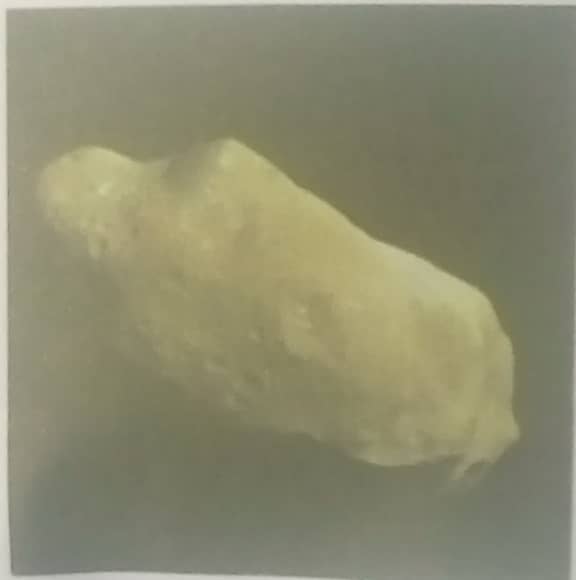
Asteroidi:Ni vitufe vidogo kuliko sayari vinavyoundwa kwa miamba migumu ambavyo hulizunguka jua.Asteroidi hupatikana kwenye eneo lijulikanalo kama ukanda wa Asteroidi.Eneo hili lipo katikati ya obiti ya Mirihi na obiti ya Sumbura

Kometi:Ni vitufe vidogo kuliko sayari ambavyo hulizunguka jua.Tofauti na Asteroidi,kometi zimeundwa kwa barafu zilizogandamana na vumbi la vipande vidogo vya mawe

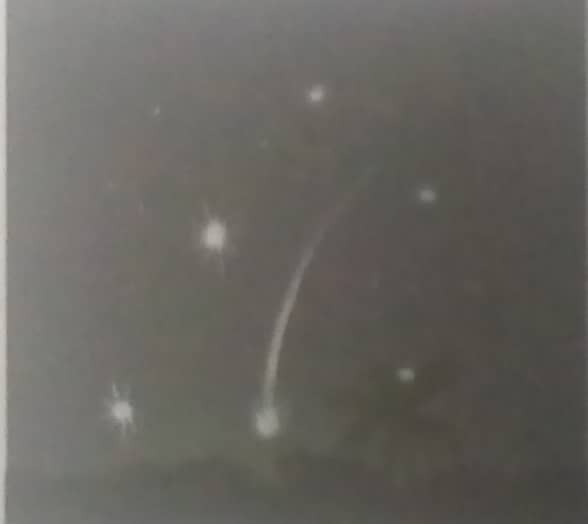
Vimondo:Ni asteroidi na kometi ambazo hujitenga na kuja karibu zaidi na Dunia ambazo wakati wa usiku huonekana zikipita kwa kasi na zina mkia.

Aina za vimondo
(i) vimondo anga:Ni vimondo ambavyo vikiingia katika mizazi ya Dunia huungua na kuyeyuka.kutokana na hali hii watu huchanganya kati ya vimondo anga na kometi
Published from Blogger Prime Android App
(ii) vimondo nchi:Ni vimondo ambavyo vikiingia katika mizazi ya Dunia hushindwa kuungua na hivyo sehemu ngumu sana ya mabaki yake hupenya na kudondoka katika uso wa Dunia,ardhini au baharini.mfano wa vimondo hivi vilivyodondoka nchini Tanzania wilaya ya Mbozi mkoani Songwe na kingine eneo la Malampaka wilaya ya Kwimba mkoani Mwanza
Published from Blogger Prime Android App
Mizazi ya Dunia ni utando mfano wa blanketi unaoifunika Dunia ili kuikinga dhidi ya vimondo na magimba mengine ya angani yasiigonge
NB:Kama kusingekuwa na mizazi ya Dunia basi kila siku dunia ingekuwa inadondokewa na vimondo na maisha yasingekuwepo Dunia I.

MIZUNGUKO YA DUNIA
Dunia inamizunguko mikuu miwili ambayo ni
     (i) Dunia kulizunguka jua
    (ii) Dunia kujizungusha katika mhimiri wake

I.DUNIA KULIZUNGUKA JUA
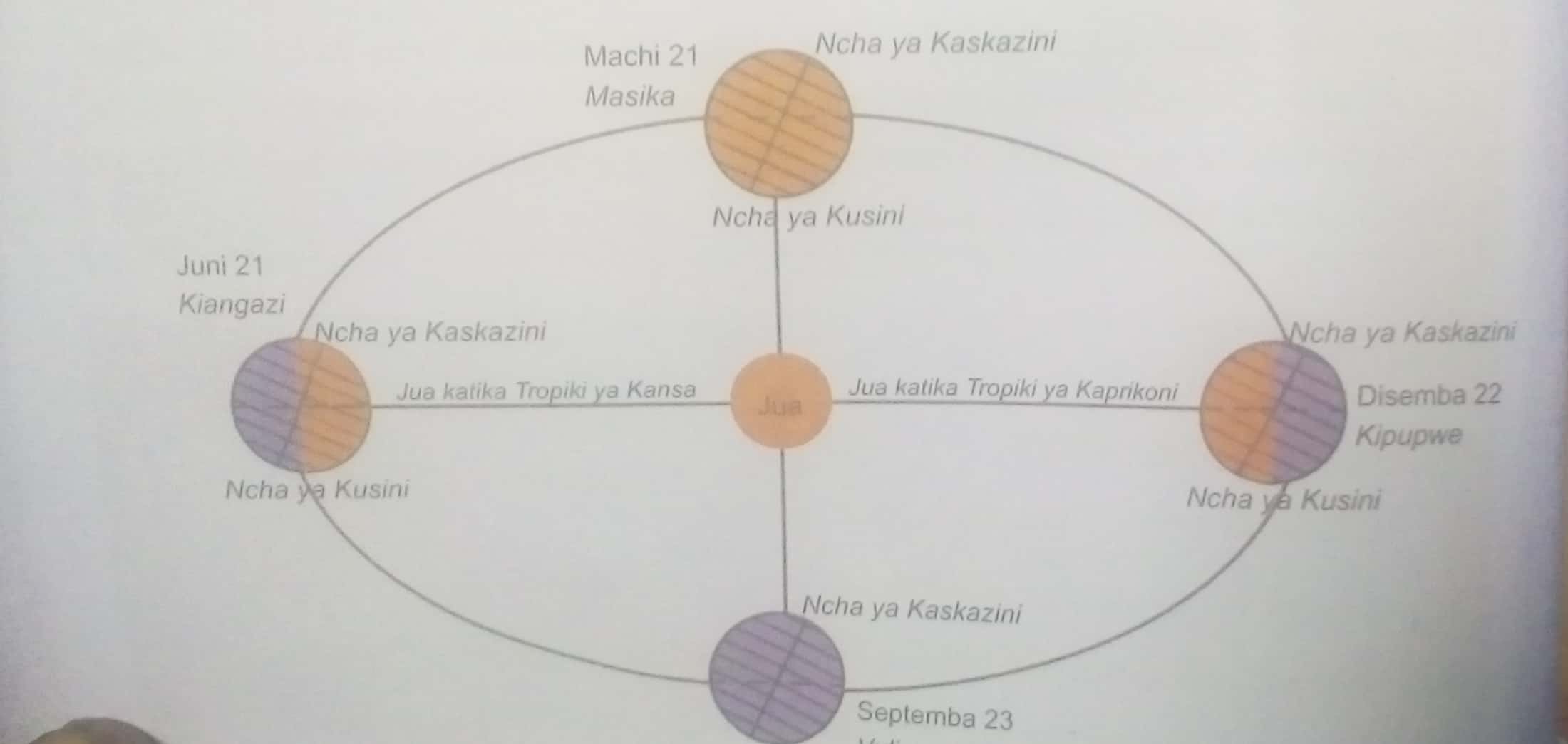
Dunia ni sayari ambayo binadamu huishi.dunia hulizunguka jua kwa siku 365¼ au 366.kipindi hiki cha siku 365¼ au 366 ndicho huitwa mwaka.

Mwendo wa Dunia kulizunguka jua na matokeo yake
Dunia inapolizunguka jua husababisha kutokea kwa:
(i)**Majira ya mwaka**kuna aina nne za majira ya mwaka.majira hayo ni
Published from Blogger Prime Android App
 masika(Kipindi cha mvua nyingi.kwa maeneo yanayopata mvua mara mbili kwa mwaka Masika huanzia mwezi Machi hadi Mei na maeneo mengine yenye Kipindi kimoja Masika huanzia mwezi Novemba hadi Aprili),
Published from Blogger Prime Android App
Vuli(Kipindi cha mvua kiasi na jua kiasi huanzia mwezi Oktoba hadi Disemba kwa maeneo yenye vipindi viwili vya mvua),
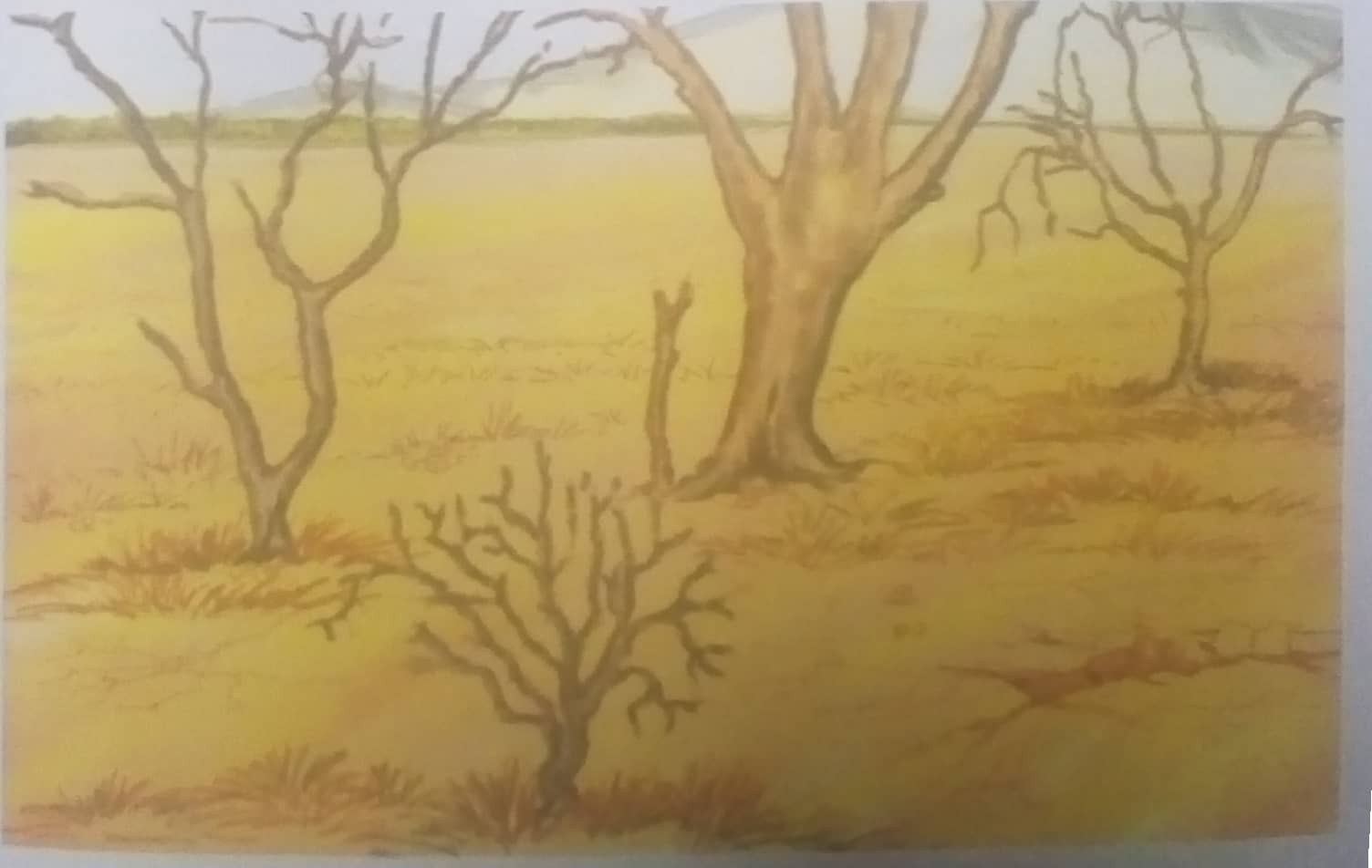
kiangazi(majira ya mwaka yenye jua Kali,hakuna mvua kabisa pia huwa na joto kali mchana na baridi kali wakati wa usiku katika maeneo mengine) hapa Tanzania mikoa yenye Kipindi kimoja cha mvua ni sehemu ya katikati ya nchi na kusini mwa nchi kuanzia mwezi April au Mei hadi Novemba au Disemba,
Published from Blogger Prime Android App
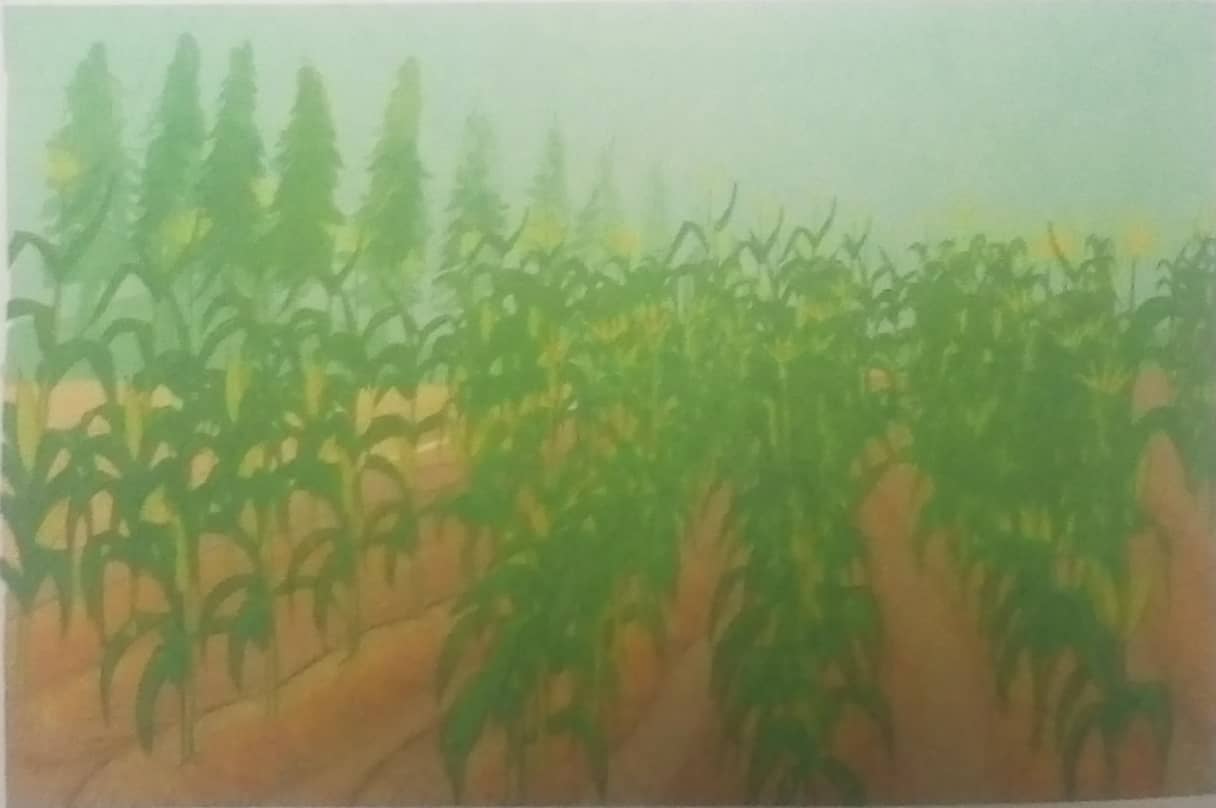
Kipupwe(majira ya mwaka yenye baridi kali inayoweza kukausha mimea kama vile mahindi na maharage na huambatana na ukungu.katika nchi yetu ya Tanzania na baadhi ya nchi nyingi za kitropiki aina mbili za majira ya mwaka hubainika zaidi.Majira haya ni kiangazi na Masika.

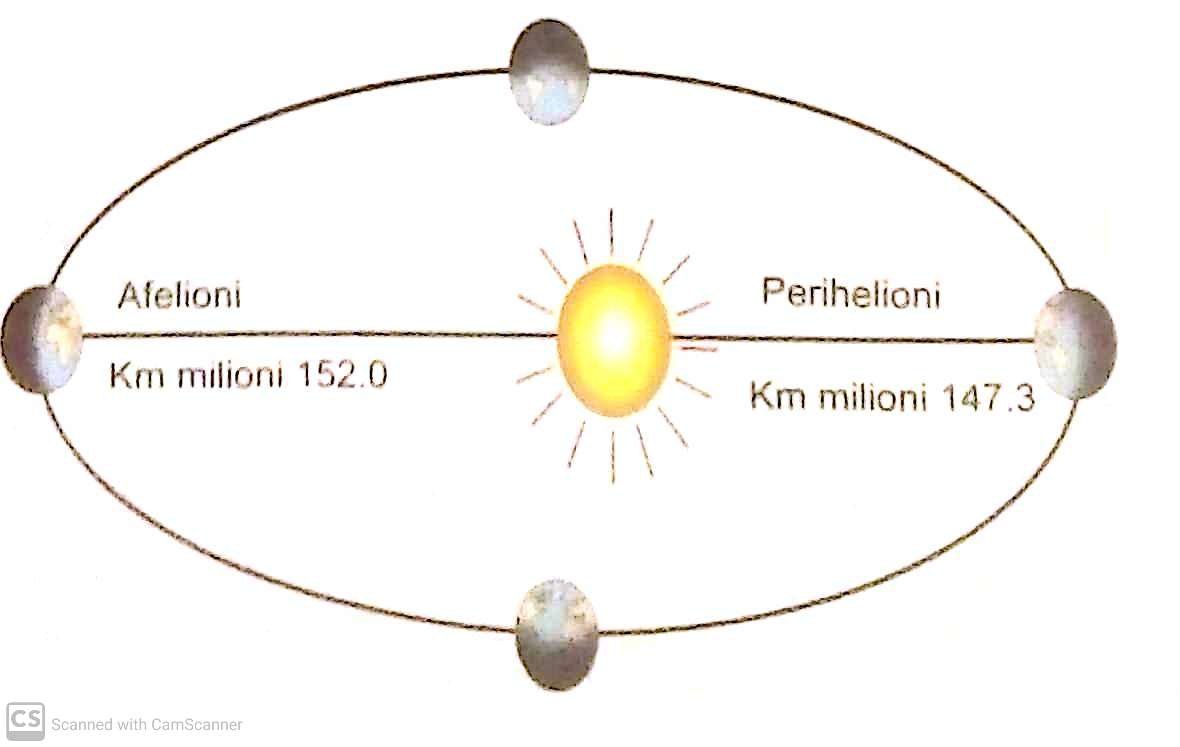
(ii)**Tofauti kati ya urefu wa usiku na urefu wa mchana katika Kipindi fulani cha mwaka**Mfano Tanzania mwezi Novemba hadi Januari jua huchelewa kuzama kuliko ilivyokuwa kwa miezi ya Juni na julai.kipindi hiki Dunia huwa karibu zaidi na jua tarehe 3 Januari kila mwaka Kipindi ambacho hujulikana kama Perihelion. Mwezi Julia tarehe 6 kila mwaka Dunia huwa mbali zaidi na jua Kipindi ambacho hujulikana kama Apherion.
Published from Blogger Prime Android App

(iii)**Tofauti ya kimo cha jua la utosi kwa vipindi tofauti vya mwaka**
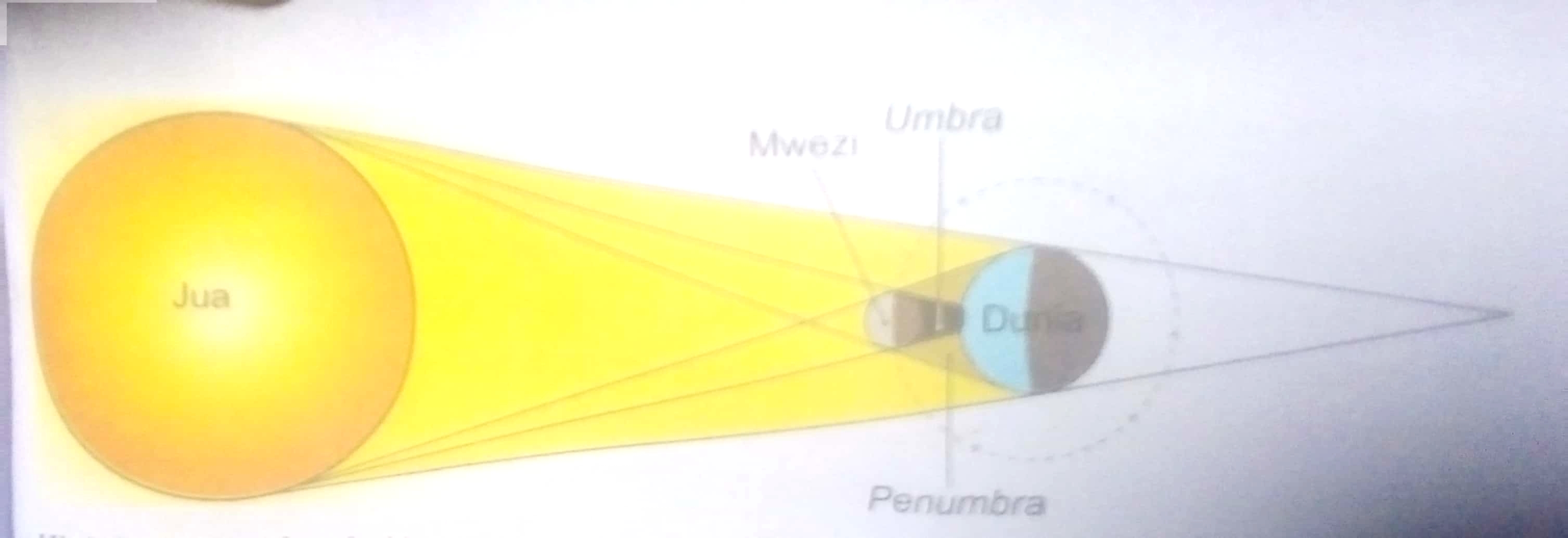
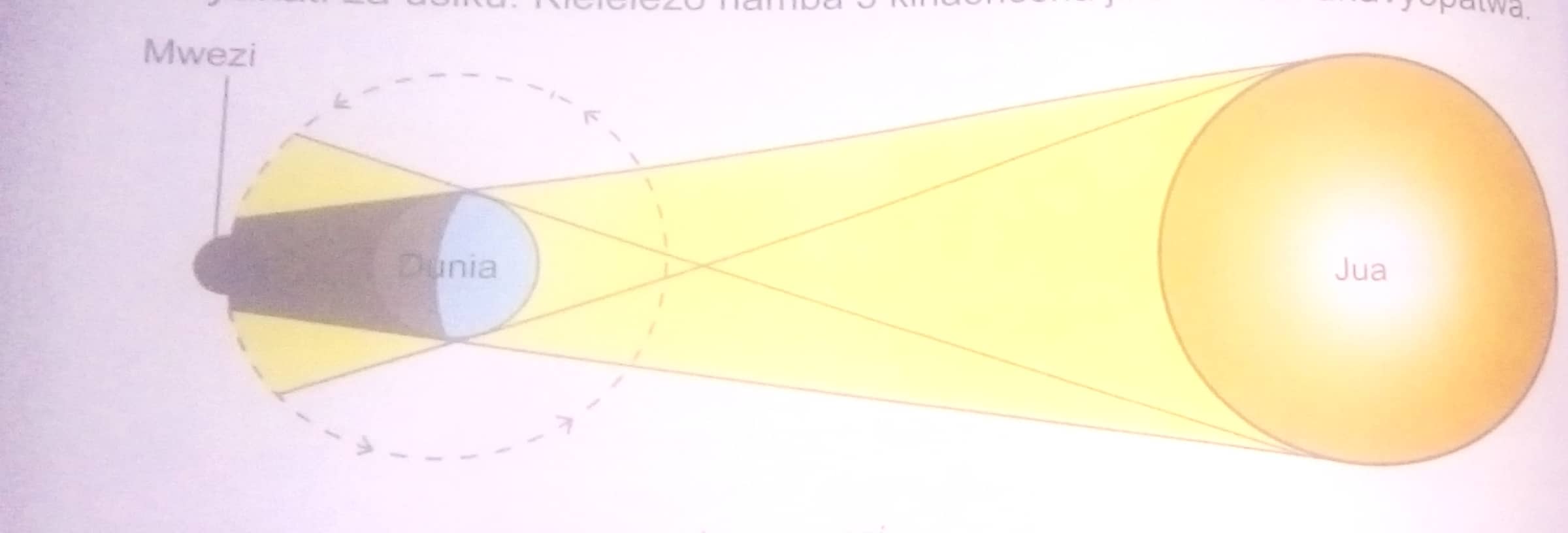
(iv)**kupatwa kwa jua na kupatwa kwa mwezi**Ni kuzuiliwa kwa nuru ya jua kuzifikia sayari au mwezi.sayari au mwezi huweza kuzuiliwa zisipate mwanga wa jua kabisa au huweza kuzuiliwa kiasi tu na kuacha sehemu nyingine ya Sayari au mwezi ikipata mwanga wa jua.

                 (a) **Kupatwa kwa jua**:hutokea wakati Mwezi unapokuwa katikati ya Dunia na Jua.Eneo la uso wa dunia linalofunikwa na kivuli kamili cha mwezi wakati wa kupatwa huitwa kupatwa kuliko kamili(Umbra).Aidha eneo la uso wa Dunia linalofunikwa na kivuli cha mwezi kisicho kamili wakati wa kupatwa kwa jua huitwa kupatwa kusiko kamili (Penumbra)
NB: kupatwa kwa jua hutokea wakati wa Mchana
Published from Blogger Prime Android App

               (b)**Kupatwa kwa mwezi**: hutokea wakati Dunia inapokuwa katikati ya Jua na Mwezi na kuukinga mwezi usipate mwanga kutoka kwenye jua.mwezi huweza kukingwa wote na dunia hivyo kusababisha kutokea kwa giza ghafla ambalo hudumu kwa dadika au saa kadhaa kisha nuru kurejea Tena na wakati mwingine ni sehemu tu ya mwezi hukosa mwanga wa jua na kusababisha nuru ya mwezi kufifia.
Published from Blogger Prime Android App
NB:kupatwa kwa mwezi hutokea usiku.

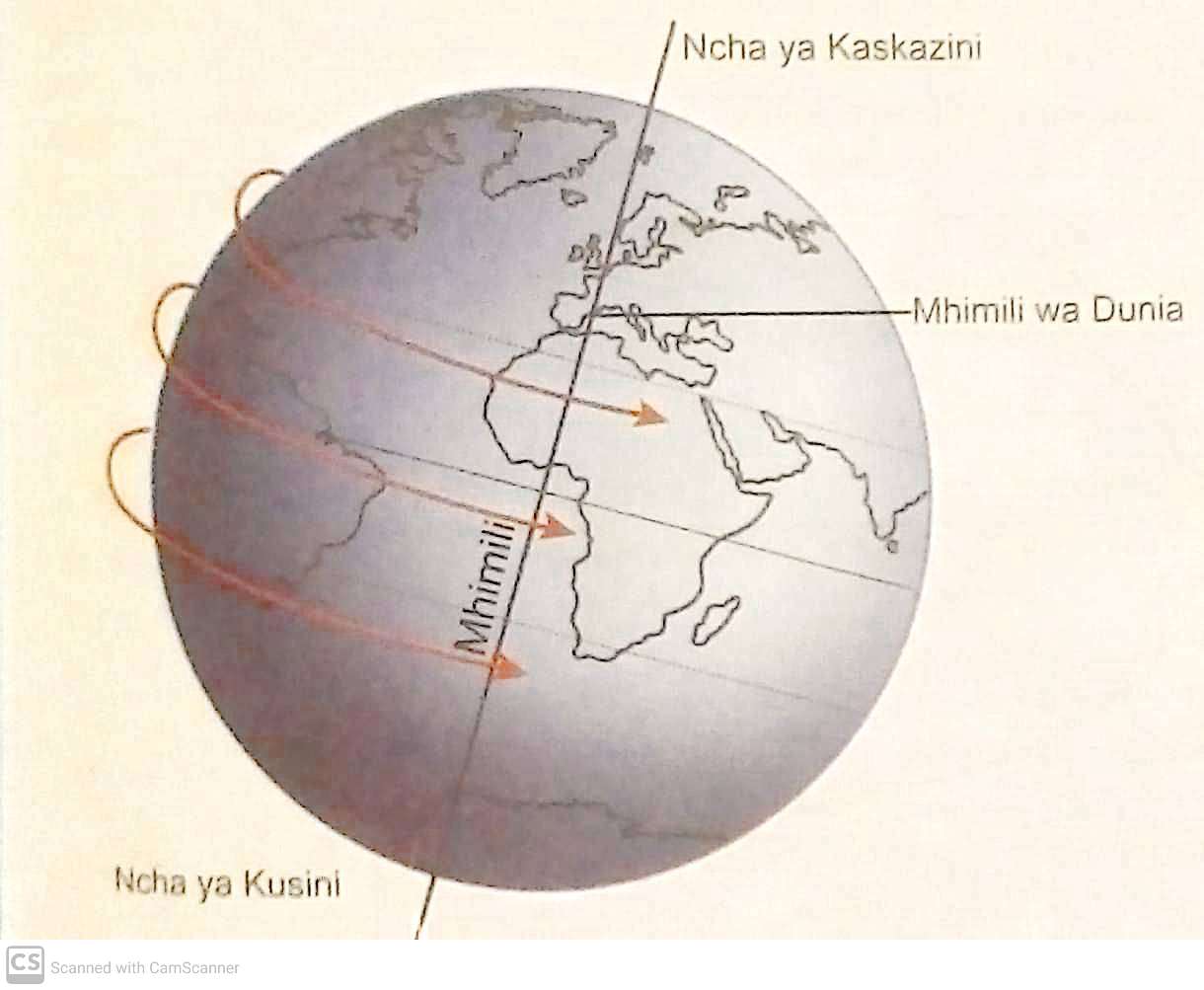
II.DUNIA KUJIZUNGUSHA KATIKA MHIMIRI WAKE
Mhimiri wa Dunia umekaa tenge kwa nyuzi 66½kaskazini na kusini na upande ulikoelekea haubadiliki.
Mwendo wa Dunia kujizungusha katika mhimiri wake na matokeo yake
Dunia inapojizungusha katika mhimiri wake husababisha:
Published from Blogger Prime Android App
(i)Usiku na mchana

(ii)Uvumi wa upepo
(iii)kutokea kwa mawimbi ya bahari
(iv) kuongezeka kwa kina cha bahari
(v) kutokea kwa tofauti ya muda kati ya longitude moja na nyingine
(vi)Kupwa na kujaa kwa maji