Wednesday, March 05, 2025

VITU GANI VINASABABISHA BINADAMU KUZEEKA

Kuzeeka ni mchakato wa asili unaotokana na mchanganyiko wa sababu za kibaolojia, kijeni, na kimazingira. Sababu kuu zinazosababisha kuzeeka ni:

1. Uharibifu wa DNA

  • Kadri muda unavyosonga, DNA zetu hupata uharibifu kutokana na mambo kama mionzi, sumu, na makosa yanayotokea wakati wa kugawanyika kwa seli. Hili husababisha mwili kushindwa kujirekebisha ipasavyo.

2. Kupungua kwa Telomeres

  • Telomeres ni sehemu za mwisho za kromosomu ambazo hupungua kila wakati seli zinapogawanyika. Zinapokuwa fupi sana, seli hushindwa kugawanyika tena na hivyo kuzeeka.

3. Kujikusanya kwa Uharibifu wa Seli

  • Seli hukusanya kasoro na sumu mwilini, kama vile radikali huru (free radicals), ambazo husababisha uharibifu wa protini, mafuta, na DNA ndani ya seli.

4. Kupungua kwa Ufanisi wa Mifumo ya Mwili

  • Kadri mwili unavyozeeka, mifumo kama kinga, homoni, na usafishaji wa sumu mwilini hupungua ufanisi wake, hivyo kufanya mwili uwe dhaifu na rahisi kushambuliwa na magonjwa.

5. Mabadiliko ya Homoni

  • Viwango vya homoni kama vile estrogen na testosterone hupungua na kusababisha mabadiliko katika mwili kama kupungua kwa nguvu za misuli, ngozi kulegea, na mifupa kuwa dhaifu.

6. Athari za Mazingira na Mtindo wa Maisha

  • Ulaji mbovu, ukosefu wa mazoezi, uvutaji sigara, unywaji wa pombe kupita kiasi, na msongo wa mawazo huchochea kuzeeka haraka kwa kuchangia uharibifu wa seli.

Kwa kifupi, kuzeeka ni matokeo ya mwingiliano wa sababu nyingi za ndani ya mwili na mazingira ya nje. Hata hivyo, maisha yenye afya, chakula bora, na mazoezi vinaweza kusaidia kuchelewesha mchakato huu.

                              Msomihurutz

Tuesday, February 04, 2025

CELLS
Cells are the basic structural and functional units of all living organisms. They are often referred to as the "building blocks of life." 

Here are some key points about cells:

1. **Types of Cells**: Cells can be broadly classified into two main types:
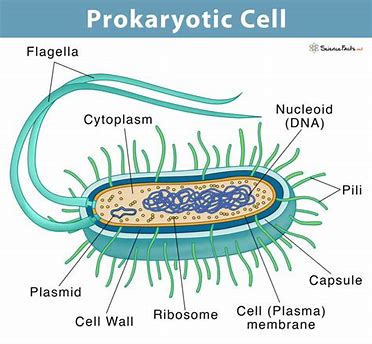
   - **Prokaryotic Cells**: These cells lack a true nucleus and membrane-bound organelles. Examples include bacteria and archaea.
Published from Blogger Prime Android App

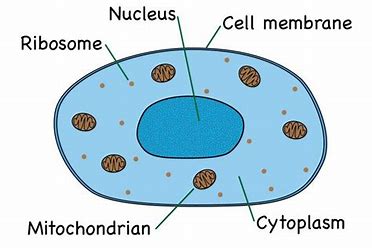
   - **Eukaryotic Cells**: These cells have a true nucleus and membrane-bound organelles. Examples include animal cells, plant cells, fungi, and protists.An animal cell is a type of eukaryotic cell that contains various organelles, each with specific functions.

 Here are the main components of an animal cell:

1. **Cell Membrane**: A flexible, semi-permeable barrier that surrounds the cell, controlling the movement of substances in and out of the cell.

2. **Cytoplasm**: A gel-like substance inside the cell that contains the organelles and is the site of various metabolic processes.

3. **Nucleus**: The control center of the cell, containing DNA and responsible for regulating gene expression and cell division.

4. **Nucleolus**: Located within the nucleus, it is involved in the production of ribosomes.

5. **Ribosomes**: Tiny organelles that are the site of protein synthesis, either floating in the cytoplasm or attached to the endoplasmic reticulum.

6. **Endoplasmic Reticulum (ER)**: A network of membranes involved in protein and lipid synthesis. It comes in two forms:
   - **Rough ER**: Studded with ribosomes and involved in protein synthesis.
   - **Smooth ER**: Lacks ribosomes and is involved in lipid synthesis and detoxification.

7. **Golgi Apparatus**: A stack of membranes that modify, sort, and package proteins and lipids for storage or transport out of the cell.

8. **Mitochondria**: The powerhouse of the cell, responsible for producing energy (ATP) through cellular respiration.

9. **Lysosomes**: Contain digestive enzymes that break down waste materials and cellular debris.

10. **Centrioles**: Involved in cell division, helping to organize the mitotic spindle.

11. **Cytoskeleton**: A network of protein filaments that provide structural support, help maintain the cell's shape, and facilitate movement.

12. **Vesicles**: Small membrane-bound sacs that transport substances within the cell.

Published from Blogger Prime Android App

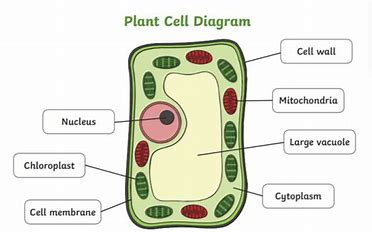
A plant cell is a type of eukaryotic cell that has unique structures and functions compared to animal cells. Here are the main components of a plant cell:

1. **Cell Wall**: A rigid outer layer that provides structure, support, and protection. It is primarily composed of cellulose.

2. **Cell Membrane**: A semi-permeable barrier just inside the cell wall that controls the movement of substances in and out of the cell.

3. **Cytoplasm**: The gel-like substance within the cell that contains organelles and is the site of various metabolic processes.

4. **Nucleus**: The control center of the cell that contains DNA and regulates gene expression and cell division.

5. **Nucleolus**: Found within the nucleus, it is involved in the production of ribosomes.

6. **Chloroplasts**: Organelles that contain chlorophyll and are the site of photosynthesis, converting sunlight into chemical energy.

7. **Mitochondria**: The powerhouse of the cell, responsible for producing energy (ATP) through cellular respiration.

8. **Vacuole**: A large, central sac that stores water, nutrients, and waste products. It also helps maintain turgor pressure, keeping the cell rigid.

9. **Endoplasmic Reticulum (ER)**: A network of membranes involved in protein and lipid synthesis. It comes in two forms:
   - **Rough ER**: Studded with ribosomes and involved in protein synthesis.
   - **Smooth ER**: Lacks ribosomes and is involved in lipid synthesis and detoxification.

10. **Golgi Apparatus**: A stack of membranes that modify, sort, and package proteins and lipids for storage or transport out of the cell.

11. **Ribosomes**: Small organelles that are the site of protein synthesis, either floating in the cytoplasm or attached to the rough ER.

12. **Plasmodesmata**: Channels between plant cell walls that allow for transport and communication between cells.

13. **Peroxisomes**: Organelles that contain enzymes for breaking down fatty acids and detoxifying harmful substances.

14. **Cytoskeleton**: A network of protein filaments that provide structural support, help maintain the cell's shape, and facilitate movement.
Published from Blogger Prime Android App


2. **Structure of Eukaryotic Cells**: Eukaryotic cells have a complex structure with various organelles, each performing specific functions. Key components include:
   - **Nucleus**: Contains the cell's genetic material (DNA) and controls cell activities.
   - **Mitochondria**: The powerhouse of the cell, responsible for producing energy (ATP) through cellular respiration.
   - **Endoplasmic Reticulum (ER)**: A network of membranes involved in protein and lipid synthesis. It includes rough ER (with ribosomes) and smooth ER (without ribosomes).
   - **Golgi Apparatus**: Modifies, sorts, and packages proteins and lipids for transport.
   - **Lysosomes**: Contain digestive enzymes that break down waste materials and cellular debris.
   - **Ribosomes**: Sites of protein synthesis.
   - **Cytoplasm**: A gel-like substance that fills the cell and contains organelles.
   - **Cell Membrane**: A semi-permeable barrier that controls the movement of substances in and out of the cell.
   - **Cytoskeleton**: A network of protein filaments that provide structural support and facilitate movement.

3. **Functions of Cells**: Cells perform various functions essential for life, including:
   - **Metabolism**: Chemical reactions that provide energy and build cellular components.
   - **Growth and Reproduction**: Cells grow, divide, and replicate their genetic material.
   - **Response to Stimuli**: Cells can sense and respond to changes in their environment.
   - **Homeostasis**: Cells maintain a stable internal environment.

4. **Specialized Cells**: In multicellular organisms, cells differentiate into specialized types with distinct functions. Examples include nerve cells, muscle cells, blood cells, and skin cells.

5. **Cell Division**: Cells reproduce through processes such as mitosis (for growth and repair) and meiosis (for sexual reproduction
THE CONCEPT OF BIOLOGY
Biology is the scientific study of life and living organisms, encompassing their structure, function, growth, evolution, distribution, and taxonomy. It's a vast and diverse field that explores all aspects of life, from the molecular level to entire ecosystems.

 Here are some key areas within biology:

1. **Cell Biology**: The study of cells, their structure, function, and processes. It includes the study of cell division, cell signaling, and cell metabolism.

2. **Genetics**: The study of heredity and variation in organisms. It involves understanding how traits are passed from one generation to the next through genes.

3. **Ecology**: The study of interactions between organisms and their environment. It looks at ecosystems, biodiversity, and the impact of human activity on the natural world.

4. **Evolutionary Biology**: The study of the origins and changes in the diversity of life over time. It involves understanding natural selection, adaptation, and speciation.

5. **Physiology**: The study of the functions and mechanisms in living organisms. It covers various systems within organisms, such as the nervous, circulatory, and respiratory systems.

6. **Anatomy**: The study of the physical structure of organisms. It includes the examination of organs, tissues, and cells.

7. **Microbiology**: The study of microorganisms, including bacteria, viruses, fungi, and protozoa. It explores their roles in health, disease, and the environment.

8. **Botany**: The study of plants, including their physiology, structure, genetics, ecology, distribution, and classification.

9. **Zoology**: The study of animals and their behavior, physiology, classification, and distribution.

10. **Biochemistry**: The study of the chemical processes within and related to living organisms. It bridges biology and chemistry by looking at processes such as enzyme function, metabolism, and DNA replication.

11. **Molecular Biology**: The study of biological molecules and their interactions. It focuses on the molecular mechanisms that underlie biological processes.

Studying biology is essential for understanding the complexities of life and the natural world. Here are some key reasons why studying biology is important:

1. **Understanding Living Organisms**: Biology helps us comprehend the structure, function, and behavior of living organisms, from microscopic bacteria to complex multicellular organisms like humans.

2. **Advancing Medical Science**: Knowledge of biology is fundamental to medical research and healthcare. It enables the development of treatments, vaccines, and diagnostic tools to combat diseases and improve human health.

3. **Environmental Conservation**: Biology provides insights into ecosystems and biodiversity, helping us understand the impact of human activities on the environment and informing conservation efforts to protect endangered species and habitats.

4. **Improving Agriculture**: Biological research contributes to advancements in agriculture, including the development of disease-resistant crops, sustainable farming practices, and biotechnology applications that enhance food production.

5. **Biotechnology and Innovation**: Biology is at the core of biotechnology, leading to innovations in fields such as genetic engineering, pharmaceuticals, and biofuels, which have significant societal and economic impacts.

6. **Solving Global Challenges**: Biological knowledge is crucial for addressing global challenges such as climate change, food security, and public health crises. It provides the scientific foundation for developing solutions to these pressing issues.

7. **Enhancing Education and Critical Thinking**: Studying biology fosters critical thinking, analytical skills, and a scientific mindset. It encourages curiosity and a deeper appreciation for the natural world.

8. **Personal Health and Well-being**: Understanding biology empowers individuals to make informed decisions about their health, nutrition, and lifestyle, leading to better overall well-being.

Biology is a dynamic and ever-evolving field that continually contributes to our knowledge and quality of life. If you have any specific questions or want to explore a particular area of biology further, feel free to ask!

Sunday, February 02, 2025

LIVING THINGS (ORGANISM)
Living things, also known as organisms, are entities that exhibit the characteristics of life. These characteristics include growth, reproduction, response to stimuli, metabolism, and the ability to maintain homeostasis. 

Characteristic of living things:

1. **Growth and Development**: Living things grow by increasing in size and often undergo development to reach maturity.
   - *Example*: A seed grows into a mature plant.

2. **Reproduction**: Living organisms have the ability to produce offspring, ensuring the continuation of their species.
   - *Example*: Animals can reproduce sexually or asexually.

3. **Response to Stimuli**: Organisms can respond to environmental changes or stimuli, such as light, temperature, and touch.
   - *Example*: A plant bending towards light (phototropism).

4. **Metabolism**: Living things carry out chemical reactions to maintain life, including breaking down nutrients for energy and synthesizing new molecules.
   - *Example*: Humans digest food to obtain energy.

5. **Homeostasis**: Organisms regulate their internal environment to maintain a stable, constant condition.
   - *Example*: Humans maintain a constant body temperature.

6. **Cellular Organization**: All living things are composed of one or more cells, which are the basic units of life.
   - *Example*: Bacteria are single-celled organisms, while humans are multicellular.

Living things can be broadly categorized into different groups based on their characteristics:

1. **Animals**: Multicellular organisms that are usually mobile and obtain energy by consuming other organisms.Animals are a diverse group of living organisms that share certain characteristics, such as mobility, the ability to respond to stimuli, and the consumption of organic material for energy. 

Classification  of animals:

1. **Classification**: Animals can be classified into various groups based on their characteristics. The main categories include:

1. MAMMALIA

   - **Mammals**: Warm-blooded animals with fur or hair that give birth to live young and produce milk (e.g., humans, dogs, elephants).

   - **Birds**: Warm-blooded animals with feathers, beaks, and the ability to lay eggs (e.g., eagles, sparrows, penguins).

   - **Reptiles**: Cold-blooded animals with scaly skin that typically lay eggs (e.g., snakes, lizards, turtles).

   - **Amphibians**: Cold-blooded animals that can live both in water and on land, often undergoing metamorphosis (e.g., frogs, salamanders, newts).

   - **Fish**: Cold-blooded animals that live in water and have gills for breathing (e.g., sharks, salmon, goldfish).

The following below are  the main features that define mammals:

1. **Warm-Blooded (Endothermic)**: Mammals can regulate their body temperature internally, allowing them to maintain a constant body temperature regardless of the environment.

2. **Hair or Fur**: All mammals have hair or fur on their bodies at some stage of their life. This provides insulation and protection.

3. **Mammary Glands**: Female mammals possess mammary glands that produce milk to nourish their young.

4. **Three Middle Ear Bones**: Mammals have three tiny bones in the middle ear known as the malleus, incus, and stapes, which help in transmitting sound vibrations to the inner ear.

5. **Live Birth**: Most mammals give birth to live young (viviparous), although there are exceptions like monotremes (e.g., the platypus and echidna) that lay eggs.

6. **Four-Chambered Heart**: Mammals have a four-chambered heart, which allows for efficient circulation and separation of oxygenated and deoxygenated blood.

7. **Diaphragm**: Mammals have a muscular diaphragm that aids in breathing by contracting and expanding the thoracic cavity.

8. **Differentiated Teeth**: Mammals possess different types of teeth (incisors, canines, premolars, and molars) adapted for various functions such as cutting, tearing, and grinding food.

9. **Large Brains**: Mammals generally have larger and more complex brains compared to other animals, which allows for higher cognitive functions and complex behaviors.

10. **Internal Fertilization**: Fertilization in mammals occurs internally, and the developing embryo is usually supported within the mother's body until birth.

   - **Invertebrates**: Animals without a backbone, including insects, arachnids, mollusks, and crustaceans (e.g., butterflies, spiders, octopuses, crabs).

2. **Adaptations**: Animals have developed various adaptations to survive in their environments. These adaptations can be physical (e.g., camouflage, specialized limbs) or behavioral (e.g., migration, hibernation).

3. **Habitat**: Animals can be found in diverse habitats, from deep oceans and dense forests to arid deserts and polar ice caps. Each species is adapted to thrive in its specific environment.

4. **Diet**: Animals can be herbivores (plant-eaters), carnivores (meat-eaters), omnivores (both plant and meat-eaters), or detritivores (decomposers).

5. **Reproduction**: Animals reproduce in various ways, including sexual reproduction (requiring a male and female) and asexual reproduction (a single organism produces offspring).

6. **Communication**: Animals use various methods to communicate, such as vocalizations, body language, chemical signals, and visual displays.

7. **Behavior**: Animal behavior can be instinctual or learned and includes activities such as hunting, mating, nesting, and social interactions.

Animals play crucial roles in ecosystems, serving as predators, prey, pollinators, and decomposers. They contribute to the balance of nature and the health of the environment.

2.PLANT

2. **Plants**: Multicellular organisms that typically produce their own food through photosynthesis.

Plants are fascinating and diverse organisms that play a crucial role in our ecosystems and daily lives.

 Here are some key aspects of plants:

1. **Photosynthesis**: Plants are unique in their ability to produce their own food through photosynthesis. They use sunlight, carbon dioxide, and water to create glucose (a form of sugar) and oxygen. This process occurs in the chloroplasts, which contain the green pigment chlorophyll.

2. **Structure**: Plants have several main parts, each with specific functions:
   - **Roots**: Anchor the plant in the soil and absorb water and nutrients.
   - **Stems**: Support the plant and transport water, nutrients, and food between the roots and leaves.
   - **Leaves**: The main site of photosynthesis and gas exchange.
   - **Flowers**: Reproductive structures that produce seeds.
   - **Fruits**: Enclose and protect seeds, aiding in their dispersal.

Plants are incredibly diverse and can be categorized into different types based on their characteristics and life cycles. Here are the main types of plants:

1. **Flowering Plants (Angiosperms)**: These are the most diverse and widespread group of plants. They produce flowers and seeds enclosed within a fruit.
   - *Examples*: Roses, sunflowers, apple trees

2. **Non-Flowering Plants**: These plants do not produce flowers. They can be further divided into:
   - **Gymnosperms**: Produce seeds that are not enclosed in a fruit.
     - *Examples*: Pine trees, fir trees, cycads
   - **Ferns and Allies**: Reproduce via spores rather than seeds.
     - *Examples*: Ferns, horsetails, clubmosses
   - **Mosses and Liverworts**: Small, non-vascular plants that reproduce via spores.
     - *Examples*: Mosses, liverworts, hornworts

3. **Herbaceous Plants**: These plants have soft, green stems that die back at the end of the growing season. They can be annuals, biennials, or perennials.
   - *Examples*: Tulips (annuals), foxgloves (biennials), daisies (perennials)

4. **Woody Plants**: These plants have hard, woody stems that persist year after year. They include trees, shrubs, and vines.
   - **Trees**: Large plants with a single main trunk.
     - *Examples*: Oak trees, maple trees, eucalyptus
   - **Shrubs**: Smaller than trees, with multiple stems.
     - *Examples*: Azaleas, hydrangeas, holly
   - **Vines**: Plants that climb or trail along the ground.
     - *Examples*: Ivy, grapevines, morning glories

5. **Aquatic Plants**: These plants live in water or moist environments.
   - *Examples*: Water lilies, cattails, duckweed

6. **Succulents and Cacti**: These plants have thick, fleshy parts that store water, making them well-suited to arid environments.
   - *Examples*: Aloe vera, cacti, jade plant

Plants play essential roles in ecosystems, providing oxygen, food, and habitat for other organisms. 

3. **Fungi**: Organisms that absorb nutrients from organic matter, including molds, yeasts, and mushrooms.

4. **Protists**: A diverse group of single-celled or simple multicellular organisms, such as amoebas and algae.

5. **Bacteria**: Single-celled microorganisms that can be found in various environments.

6. **Archaea**: Single-celled organisms similar to bacteria but with distinct genetic and biochemical characteristics.

Plants are truly remarkable and play a vital role in sustaining life on our planet.
KINGA YA MWILI
Kinga ya mwili ni mfumo wa ulinzi wa mwili dhidi ya magonjwa na vijidudu. Mfumo wa kinga husaidia mwili kujikinga dhidi ya vimelea kama vile bakteria, virusi, fangasi, na vimelea wengine hatari. Kuna aina mbili kuu za kinga ya mwili:

1. **Kinga Asilia (Innate Immunity)**: Hii ni kinga ya awali ya mwili ambayo hufanya kazi haraka dhidi ya wadudu. Inajumuisha vizuizi vya kimwili kama vile ngozi na ute wa kamasi, vizuizi vya kikemikali kama vile asidi ya tumbo, na seli za kinga zinazoangamiza vimelea.

2. **Kinga ya Kichocheo (Adaptive Immunity)**: Hii ni kinga inayojitokeza baada ya mwili kukutana na vimelea maalum. Inahusisha uzalishaji wa kingamwili na seli za kinga ambazo hukumbuka vimelea maalum, hivyo basi kutoa ulinzi wa muda mrefu dhidi ya mashambulizi ya baadaye.

Mbali na hizo aina kuu, kuna kinga ya ziada kama:

- **Kinga ya Muda (Passive Immunity)**: Kinga inayopatikana kwa muda kupitia kingamwili kutoka chanzo kingine, kama vile mama kwa mtoto kupitia maziwa ya mama au kupitia bidhaa za damu zilizo na kingamwili.

- **Kinga ya Kudumu (Active Immunity)**: Kinga inayotokana na mwili kujitengenezea kingamwili baada ya kukutana na vimelea au kupitia chanjo.

 Hapa kuna sababu kadhaa zinazofanya kinga ya mwili kuwa muhimu:

1. **Kuzuia Magonjwa**: Mfumo wa kinga husaidia kuzuia maambukizi kwa kutambua na kushambulia vijidudu kama vile bakteria, virusi, na fangasi. Hii inapunguza hatari ya kuugua na kuimarisha afya ya mwili.

2. **Kupona Haraka**: Mfumo imara wa kinga husaidia mwili kupona haraka kutoka kwa maambukizi na magonjwa. Huweza kutambua na kuangamiza vijidudu kwa ufanisi, hivyo kupunguza muda na ukali wa magonjwa.

3. **Ulinzi wa Muda Mrefu**: Mfumo wa kinga ya kichocheo una seli za kumbukumbu ambazo hukumbuka vijidudu vilivyowahi kuvamia mwili. Hii inaruhusu mwili kujibu haraka na kwa ufanisi zaidi endapo vijidudu hivyo vitaingia tena, kutoa ulinzi wa muda mrefu.

4. **Kuzuia Saratani**: Mfumo wa kinga unaweza kutambua na kuangamiza seli zisizo za kawaida, ikiwa ni pamoja na seli za saratani, kabla hazijageuka kuwa uvimbe. Hii ni muhimu sana katika kuzuia maendeleo ya saratani.

5. **Mwitikio kwa Chanjo**: Chanjo huchochea mfumo wa kinga kuzalisha majibu ya kinga bila kusababisha ugonjwa. Mfumo wa kinga wenye afya unajibu kwa ufanisi kwa chanjo, kutoa kinga dhidi ya maambukizi maalum.

6. **Afya na Ustawi Jumla**: Mfumo wa kinga wenye nguvu huchangia afya na ustawi wa jumla kwa kuweka mwili huru kutokana na maambukizi na magonjwa. Pia husaidia kudhibiti msongo wa mawazo na kudumisha mazingira ya ndani yenye usawa.

Kukosa kinga ya mwili au kuwa na kinga dhaifu kunaweza kusababisha matatizo mbalimbali ya kiafya, kwani mwili unakuwa hauwezi kujikinga ipasavyo dhidi ya maambukizi na magonjwa. Hapa kuna madhara kadhaa yatokanayo na kukosa kinga ya mwili:

1. **Kuongezeka kwa Maambukizi**: Mwili unakuwa rahisi kushambuliwa na bakteria, virusi, fangasi, na vimelea vingine, na hivyo kusababisha maambukizi ya mara kwa mara kama vile mafua, homa, na maambukizi ya njia ya mkojo.

2. **Kupona Polepole**: Maambukizi na magonjwa yanaweza kuchukua muda mrefu kupona, na urejesho wa afya unakuwa wa polepole kutokana na uwezo mdogo wa mwili kupambana na vijidudu.

3. **Magonjwa sugu**: Upungufu wa kinga unaweza kusababisha maambukizi sugu na magonjwa yanayosumbua ambayo ni magumu kutibu na kudhibiti, kama vile maambukizi sugu ya njia ya upumuaji na utumbo.

4. **Maambukizi yanayoambatana na kinga dhaifu (Opportunistic Infections)**: Haya ni maambukizi yanayotokea mara nyingi na kuwa makali zaidi kwa watu wenye kinga dhaifu. Mifano ni pamoja na nimonia, kifua kikuu, na maambukizi ya fangasi.

5. **Magonjwa ya kingamwili (Autoimmune Disorders)**: Katika baadhi ya kesi, mfumo wa kinga unaweza kushambulia seli na tishu za mwili wenyewe, na kusababisha magonjwa ya kingamwili kama vile baridi yabisi (rheumatoid arthritis), lupus, na multiple sclerosis.

6. **Uwezekano wa Saratani**: Mfumo wa kinga unasaidia kutambua na kuangamiza seli zisizo za kawaida, ikiwa ni pamoja na seli za saratani. Kinga dhaifu inaweza kuwa na ufanisi mdogo katika kuzuia maendeleo na kuenea kwa saratani.

7. **Afya Duni ya Jumla**: Kukosa kinga ya mwili kunaweza kuchangia afya duni ya jumla, uchovu, na kupungua kwa ubora wa maisha kutokana na mapambano ya mara kwa mara na maambukizi na magonjwa.

Ni muhimu kudumisha mfumo mzuri wa kinga ili kuimarisha afya na kuzuia magonjwa. Lishe bora, mazoezi ya mara kwa mara, usingizi wa kutosha, na kudhibiti msongo wa mawazo ni mambo muhimu yanayosaidia kuimarisha kinga ya mwili. Ikiwa una maswali zaidi au unahitaji maelezo ya ziada, usisite kuniuliza!
BODY IMMUNITY
Immunity refers to the body's ability to defend itself against pathogens, such as bacteria, viruses, and other harmful substances. The immune system is a complex network of cells, tissues, and organs that work together to protect the body.

 There are two main types of immunity:

1. **Innate Immunity**: This is the body's first line of defense and is non-specific, meaning it responds to all pathogens in the same way. It includes physical barriers (like skin and mucous membranes), chemical barriers (such as stomach acid), and immune cells that attack invaders.

2. **Adaptive Immunity**: This type of immunity is specific and developed over time. It involves the production of antibodies by B cells and the activation of T cells that recognize and remember specific pathogens. This allows for a faster and stronger response upon subsequent exposures to the same pathogen.

Within these two main categories, there are additional forms of immunity:

- **Passive Immunity**: Temporary immunity gained through antibodies from another source, such as mother to baby through breast milk or through antibody-containing blood products.
  
- **Active Immunity**: Long-lasting immunity developed after exposure to a pathogen or through vaccination, where the body produces its own antibodies.

 Here are some important aspects of immunity:

1. **Disease Prevention**: Immunity helps to prevent infections by recognizing and attacking pathogens such as bacteria, viruses, and fungi. This reduces the risk of illnesses and keeps the body healthy.

2. **Faster Recovery**: A strong immune system can help the body recover more quickly from infections and illnesses. It efficiently identifies and destroys harmful invaders, minimizing the duration and severity of illnesses.

3. **Long-term Protection**: The adaptive immune system has memory cells that remember previous encounters with pathogens. This allows for a faster and more effective response if the same pathogen is encountered again, providing long-term protection.

4. **Cancer Prevention**: The immune system can detect and destroy abnormal cells, including cancerous cells, before they can develop into tumors. This is a crucial aspect of cancer prevention.

5. **Response to Vaccination**: Vaccines stimulate the immune system to produce a protective response without causing disease. A healthy immune system responds effectively to vaccines, providing immunity against specific infections.

6. **Overall Health and Well-being**: A strong immune system contributes to overall health and well-being by keeping the body free from infections and diseases. It also helps in managing stress and maintaining a balanced internal environment.

A weakened or compromised immune system can lead to a variety of health issues, as the body becomes less capable of defending itself against infections and diseases. Here are some potential effects of a lack of immunity:

1. **Increased Susceptibility to Infections**: With a weakened immune system, the body is more prone to infections caused by bacteria, viruses, fungi, and other pathogens. Common colds, flu, and other infections may occur more frequently and with greater severity.

2. **Longer Recovery Times**: Infections may take longer to heal, and recovery from illnesses can be prolonged due to the body's reduced ability to fight off pathogens effectively.

3. **Chronic Illnesses**: A compromised immune system can lead to chronic infections and illnesses that are difficult to manage and treat, such as persistent respiratory infections, urinary tract infections, and gastrointestinal infections.

4. **Opportunistic Infections**: These are infections that occur more frequently and are more severe in individuals with weakened immune systems. Examples include pneumonia, tuberculosis, and certain fungal infections.

5. **Autoimmune Disorders**: In some cases, a malfunctioning immune system may mistakenly attack the body's own healthy cells and tissues, leading to autoimmune disorders such as rheumatoid arthritis, lupus, and multiple sclerosis.

6. **Cancer Susceptibility**: The immune system plays a role in detecting and destroying abnormal cells, including cancer cells. A weakened immune system may be less effective at preventing the development and spread of cancer.

7. **Overall Poor Health**: A lack of immunity can contribute to overall poor health, fatigue, and a decreased quality of life due to the constant battle with infections and illnesses.

Maintaining a healthy immune system is crucial for overall well-being. A balanced diet, regular exercise, adequate sleep, and stress management are important factors in supporting immune function. If you have any specific concerns about immunity or health, it's always best to consult with a healthcare professional.

Friday, January 24, 2025

Monday, January 06, 2025

Saturday, January 04, 2025

Wednesday, January 01, 2025

ORDINARY LEVEL BIOLOGY NOTES

 Pata notes za secondary kwa kidato cha kwanza hadi cha nne kupitia msomihurutz blog kwa kubofya link hapo chini

BIOLOGY NOTES FOR FROM ONE

http://www.msomibora.com/2018/07/biology-notes-for-form-one.html

BIOLOGY NOTES FOR FROM TWO

http://www.msomibora.com/2018/07/biology-notes-for-form-two.html

BIOLOGY NOTES FOR FROM THREE

http://www.msomibora.com/2018/07/biology-notes-for-form-three.html

BIOLOGY NOTES FOR FROM FOUR

http://www.msomibora.com/2018/07/biology-notes-for-form-four.html

Sunday, December 29, 2024

SHIRIKA LA NASA LAWEKA REKODI

Chombo cha anga za juu cha cha Marekani NASA kilichotengenezwa kinajaribu kuweka historia kwa kukaribia zaidi kwenye jua. Kifaa hicho kitakuwa kinakwenda kwa kasi zaidi kuliko kitu chochote kilichoundwa na binadamu, kwani kitakuwa na kasi ya 430,000 Mph, sawa na kuruka kutoka London hadi New York chini ya sekunde 30.


Chombo cha Parker Solar Probe kitatumika kuingia katika anga hewa ya nje ya sayari ya dunia yetu ambayo inazunguka jua kwa kitaalam hewa hiyo inaitwa CORONA, ambapo kifaa hicho kitastahimili halijoto kali na mionzi mikali ya jua.


Mbele ya kifaa hicho kinalindwa na ngao yenye unene wa 11.5cm (inchi 4.5) yenye mchanganyiko wa kaboni lakini mbinu ya chombo hicho ni kuingia na kutoka kwa haraka kwenye angahewa ya jua inayojulikana kama CORONA.


Dr. Nicola Fox, mkuu wa sayansi kutoka NASA, anasema; "kwa karne nyingi, watu wamejifunza jua, lakini hupati uzoefu wa mazingira ya mahali hadi utalitembelea, na kwa hivyo hatuwezi kuona anga ya nyota yetu isipokuwa tukipitia."


Kifaa cha Parker Solar Probe kilizinduliwa mwaka 2018, kuelekea katikati mwa mfumo wa jua. Tayari kifaa hicho kimepita jua mara 21, kikikaribia zaidi, lakini kwa mara hii wakati watu wakiwa kwenye mkesha wa krismasi awamu hii itakuwa ni ya kuvunja rekodi.


Nicola Fox wa NASA anasema: "tuko maili milioni 93 kutoka kwenye jua, kwa hivyo nikiweka jua na dunia umbali wa mita moja, kifaa cha Parker Solar Probe kiko sentimita nne kutoka kwenye jua, kwa hiyo ni karibu." Uchunguzi utalazimika kustahimili halijoto ya 1,400c na mionzi ambayo inaweza kufifisha kielektroniki cha ndani.


Monday, December 16, 2024

Friday, December 13, 2024

MALARIA
Published from Blogger Prime Android App
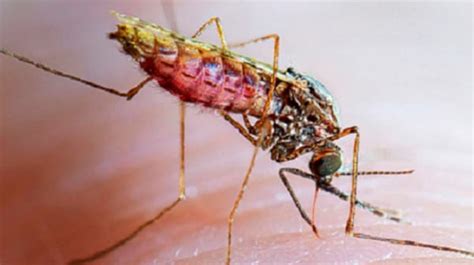
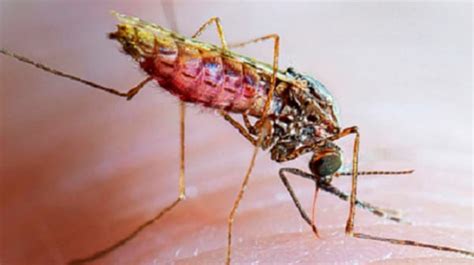
Malaria ni ugonjwa wa kuambukiza unaosababishwa na vimelea vya Plasmodium na huenezwa kwa binadamu kupitia kuumwa na mbu wa kike wa jenasi Anopheles¹². Hapa kuna maelezo muhimu kuhusu malaria:

### Sababu
- **Vimelea**: Vimelea vya Plasmodium, hasa *Plasmodium falciparum* na *Plasmodium vivax*, ndiyo vinavyosababisha malaria¹.
- **Uenezi**: Ugonjwa huu huenezwa kupitia kuumwa na mbu wa kike wa Anopheles aliyeambukizwa¹.

### Dalili
- **Dalili za Awali**: Homa, baridi, kuumwa kichwa, na maumivu ya misuli, ambazo huanza kuonekana kati ya siku 10 hadi 15 baada ya kuambukizwa².
- **Dalili Kali**: Uchovu mkubwa, kuchanganyikiwa, kifafa, shida ya kupumua, na kushindwa kwa viungo. Bila matibabu, malaria inaweza kusababisha kifo².

### Kinga
- **Kuepuka Kuumwa na Mbu**: Tumia vyandarua vilivyotiwa dawa, dawa za kuua wadudu, na kuvaa nguo ndefu².
- **Dawa za Kinga**: Kuchukua dawa za kuzuia malaria, hasa unapokuwa unasafiri kwenda maeneo yenye malaria².

### Matibabu
- **Dawa za Malaria**: Dawa kama vile chloroquine, quinine, na artemisinin-based combination therapies (ACTs) hutumika kutibu malaria².
- **Utambuzi wa Mapema**: Matibabu ya haraka ni muhimu ili kuzuia matatizo na vifo².

Malaria ni tatizo kubwa la kiafya, hasa katika maeneo ya kitropiki na yanayokaribia tropiki kama Tanzania. Ni muhimu kuchukua hatua za kinga na kutafuta matibabu haraka ikiwa unashuku una malaria kwa kwenda katika vituo vya afya
Meaning of Malaria
Published from Blogger Prime Android App
Malaria is a serious and sometimes fatal disease caused by parasites that are transmitted to humans through the bites of infected female Anopheles mosquitoes². Here are some key points about malaria:

### Causes
- **Parasites**: The disease is caused by Plasmodium parasites. There are five species that can infect humans, with *Plasmodium falciparum* and *Plasmodium vivax* being the most dangerous².
- **Transmission**: It is primarily spread through mosquito bites, but can also be transmitted through blood transfusions, organ transplants, or from mother to child during birth².

### Symptoms
- **Early Symptoms**: Fever, chills, headache, and muscle aches, typically appearing 10-15 days after being bitten².
- **Severe Symptoms**: Severe fatigue, confusion, seizures, difficulty breathing, and organ failure. Severe cases can lead to death if not treated promptly².

### Prevention
- **Avoiding Bites**: Use insect repellent, sleep under insecticide-treated bed nets, and wear long-sleeved clothing².
- **Medications**: Antimalarial drugs can be taken to prevent infection, especially when traveling to areas where malaria is common².

### Treatment
- **Antimalarial Drugs**: Medications such as chloroquine, quinine, and artemisinin-based combination therapies (ACTs) are used to treat malaria².
- **Early Diagnosis**: Prompt treatment is crucial to prevent complications and death².

Malaria is a significant health issue, especially in tropical and subtropical regions. It's important to take preventive measures and seek medical attention if you suspect you have malaria.

Friday, November 22, 2024

SARATANI(CANCER)
SARATANI ni mkusanyiko wa seli zinazoongezeka bila kufuata utaratibu wa kawaida wa mwili. Seli za saratani huota haraka na kusababisha uvimbe

Kuna aina nyingi za saratani mfano
1.saratani ya shingo ya kizazi ambayo huwapata wanawake tu
2.saratani ya matini
3.saratani ya mapafu ambayo huwapata hasa wavutaji wa sigara
4.saratani za tumbo, utumbo mkubwa na ndogo, ngozi, damu, macho na Koo

Uvimbe wa saratani unaweza kupasuka na seli zake zikaingia kwenye damu. Kisha seli hizo zinaweza kusafirishwa na kwenda kujishikiza sehemu nyingine za mwili na hapo huweza kuanzisha uvimbe sehemu nyingine.

Chanzo halisi cha saratani hakijajulikana hadi sasa. Hata hivyo vipo vitendo mbalimbali vinavyoweza kuchangia kutokea kwa saratani mwilini. Vitendo hivyo ni uvutaji wa sigara, unywaji wa pombe kupita kiasi na kutokula matunda na vyakula vyenye nyuzinyuzi, kama vile nafaka zisizokobolewa na mbogamboga, kula vyakula vilivyokobolewa na kuongezwa kemikali, kukaa juani na kupigwa na mionzi mikali ya jua na uasherati

Dalili za saratani
-homa, uchovu kupitia kiasi, kupungua uzito, uvimbe na maumivu,
NB:dalili hizi zinaweza kuwa za magonjwa mengine mbalimbali,vipimo vya hospitali tu ndivyo vitakavyothibitisha endapo mtu ana saratani au la

Kinga na tiba ya saratani
  • Ugonjwa wa saratani unaweza kuzuilika kwa kuepuka vitendo vinavyochangia kupata saratani,kwa mfano uvutaji wa sigara na ulevi
  • Ugonjwa huu ukiwahi unaweza kutibika hospitalini kwa njia ya operation,mionzi au kemikali na
  • Ulaji wa chakula bora ni njia nzuri ya kuepuka saratani

Thursday, November 21, 2024

Sunday, November 17, 2024

HUDUMA ZA AFYA NI NINI?
Huduma za afya ni nini?
Huduma za afya ni mahitaji mbalimbali yanayotolewa kwa jamii ili kujenga afya. Miongoni mwa huduma hizo ni elimu ya uzazi wa mpango na utoaji dawa kwa waathirika wa vvu na ukimwi.

Uzazi wa mpango ni nini?
Uzazi wa mpango ni utaratibu wa kupata watoto unaotokana na makubaliano kati ya mke na mume juu ya idadi ya watoto na muda wa kuwapata kwa kuzingatia afya ya mke na uwezo wa kuwatunza.

Njia za uzazi wa mpango
Kuna njia mbalimbali za uzazi wa mpango ambazo mke na mume wanaweza kukubaliana kuzitumia. Njia hizo ni kama vile

1.Njia za asili za uzazi wa mpango
Ni njia ambazo zinazuia mke kupata mimba bila kutumia dawa au vifaa maalumu. Zifuatazo ni baadhi ya njia za asili:

(i) kutojamiiana wakati wa kupindi cha hatari
Mzunguko mmoja wa hedhi huwa siku 28 kwa baadhi ya wanawake tangu hedhi ya moja hadi nyingine
(ii) Kutomwaga gametiume kwenye uke wakati wa kujamiiana
(iii) Mama kuendelea kumnyonyesha mtoto ipasavyo. Anapomnyonyesha mtoto ipasavyo hedhi hukoma mpaka atakapomwachisha kunyonya

2.Njia za kisasa za uzazi wa mpango
Ni njia ambazo hujumuisha matumizi ya vifaa na dawa.vifaa hivyo ni kama vile
(i) kondomu: kondomu huvaliwa na mwanaume au mwanamke wakati wa tendo la kujamiiana.hivyo manii hayaingii ukeni

Faida za kutumia kondomu
  • Huzuia mimba na baadhi ya magonjwa ya zinaa
  • Haihitaji kwenda kumuona daktari
  • Hupatikana kwa urahisi
Madhara
Huhamasisha ukahaba na umalaya

(ii) Kiwambo: kiwambo huwekwa ndani ya uke kwenye seviksi ili kuzuia manii kuingia

Faida za kutumia kiwambo
  • Huzuia kansa ya shingo ya kizazi kwa kiasi FulaniMadhara ya kutumia kiwambo
Madhara ya kutumia kiwambo
  • Kinaweza kuwekwa vibaya na kuruhusu mimba kutunga
(iii) Kitanzi:ni kipande cha plastiki ambacho mwanamke huwekewa na daktari kwenye uterasi ili kuzuia manii na mayai ya mwanamke kukutana na hivyo kuzuia utungisho, pia huzuia yai lililorutubishwa kushikilia kwenye uterasi

Faida za kutumia kitanzi
  • Kikishawekwa hakuna haja ya kufanya kitu chochote cha ziada
  • Kina uhakika mkubwa wa kuzuia mimba 
Madhara ya kutumia kitanzi
  • Huweza kusababisha maumivu na damu nyingi wakati wa hedhi
  • Huweza kuleta maambukizi katika kizazi yanayoweza kuleta utasa
  • Kama mimba ikitokea inaweza kuwa kwenye mirija ya falopio
(iv) Vidonge:hivi humezwa na mwanamke kila siku kimoja ili kuzuia yai kupevuka

Faida za kutumia Vidonge
  • Ni rahisi kutumia, huzuia mimba na huweza kuzuia baadhi ya uvimbe
Madhara ya kutumia Vidonge
  • Huweza kusababisha aina fulani ya uvimbe, shinikizo la damu na damu kuganda
  • Ni rahisi kusahau kumeza Vidonge
  • Vinahitaji kutumiwa kila siku
(v) Kukata mirija:hii ni operesheni ya hospitali kwa ajili ya Kukata mirija ya falopio ya mwanamke na mirija ya manii kwa mwanaume

Faida za Kukata mirija ya manii na falopio
  • Ina uhakika wa 100% wa kuzuia mimba
Madhara ya Kukata mirija ya manii na falopio
  • Si rahisi kuja kuunganisha tena mirija ya manii na falopio kama watataka kuzaa tena
FAIDA ZA UZAZI WA MPANGO
1.kujenga afya
2.upatikanaji wa mahitaji
3.Mafanikio ya kiuchumi
4.kuepuka maradhi
5.kuwa na amani na upendo

MADHARA YA KUTOPANGA UZAZI
1.kuwa na afya dunia
2.kukosa mahitaji ya msingi
3.kuwa na umaskini
4.kukumbwa na maradhi mbalimbali
5.kukosa amani na upendo ndani ya familia 

Sunday, November 10, 2024

UKIMWI
**Ukimwi (UKIMWI)** ni kifupisho cha "Upungufu wa Kinga Mwilini" na ni ugonjwa unaosababishwa na virusi vya HIV (Human Immunodeficiency Virus). Virusi hivi hushambulia mfumo wa kinga ya mwili, na kuufanya mwili kushindwa kupambana na maambukizi na magonjwa mbalimbali¹.

**Njia za Maambukizi ya HIV:**
- Kufanya ngono bila kinga.
- Kuchangia sindano.
- Mama aliyeambukizwa anaweza kumwambukiza mwanawe wakati wa uja uzito, kuzaa au kunyonyesha.
- Kutangamana kwa damu au majimaji mengine ya mwili².

**Dalili za Ukimwi:**
- Kupungua uzito bila sababu.
- Homa za mara kwa mara.
- Uchovu usioelezeka.
- Kuumwa na koo na vidonda vya mdomo.
- Maambukizi ya mara kwa mara².

**Kinga na Tiba:**
- Hakuna tiba ya kuponya Ukimwi, lakini kuna dawa za kupunguza makali ya virusi (ARVs) ambazo husaidia wagonjwa kuishi maisha marefu na yenye afya zaidi.
- Kujikinga ni pamoja na kutumia kondomu, kuepuka kuchangia sindano, na kupima afya mara kwa mara².

**Madhara ya Ukimwi:**
- Husababisha vifo vya watu wengi, hasa barani Afrika.
- Huathiri uchumi na jamii kwa ujumla kutokana na kupoteza nguvu kazi¹.

Mambo ya kuzingatia kwa waathirika wanaotumia “ARV”
Waathirika wa VVU ni kundi linalohitaji kuishi kwa kufuata taratibu
zilizoainishwa na wataalamu wa afya. Mambo ya kuzingatia ni kama
yafuatayo:
1. Waathirika ni lazima wafuate ushauri wa kitaalamu wa kitabibu au
wataalamu wa afya.
2. Waathirika wanapaswa kutumia “ARV” kwa dozi sahihi na kwa muda
sahihi. Dawa zitumike kama ilivyoelekezwa na daktari au mtaalamuwa afya. Hii itasaidia kuboresha afya na kupunguza uwezekano wa

VVU kuwa sugu kwa dawa zinazotumika.
3. Waathirika wachukue tahadhari kwa kujikinga ili wasipate
maambukizi mapya na kuambukiza wengine.
4. Mwathirika asiache kutumia dawa kwa muda na kisha kurudia tena
dawa hizo bila ushauri wa daktari au mtaalamu wa afya.
5. Waathirika wa VVU watoe taarifa kwa daktari au watoa huduma
kuhusu matatizo na athari za “ARV” endapo zitajitokeza.
6. Waathirika waepuke kufuata imani na mila potofu za jadi au za dini
zinazozuia kuwa mfuasi mzuri wa “ARV”.
7. Waathirika wafuate ratiba ya kwenda kliniki ya dawa za “ARV” bila
kukosa.
8. Waathirika wazingatie kanuni za afya kwa mfano, kuzingatia usafi
wa mwili, lishe bora na mazingira safi.
9. Waathirika wanashauriwa kuendelea kuishi kwa matumaini na
wasikate tamaa.
10. Mtumiaji wa “ARV” haruhusiwi kushirikiana dawa zake za “ARV” na Kujali watu wanaotumia dawa za “ARV”
Waathirika wa VVU wanaotumia “ARV” wanahitaji kuthaminiwa na jamii.
Ili kuwajali watu wanaotumia dawa za “ARV” ni muhimu sana kuwasaidia
pale wanapohitaji msaada.

Tunaweza kuwajali kwa kufanya yafuatayo:
1. Kuambatana nao wanapohitaji kusindikizwa kwenda kliniki kuchukua
2. Tuwasaidie wanapohitaji kuelekezwa matumizi sahihi ya “ARV”.
3. Kuwapatia chakula bora na kwa wakati.
4. Kuwakumbusha muda sahihi wa kumeza dawa pale wanaposahau.
5. Kuwahamasisha kuendelea na matumizi ya dawa.
6. Kuepuka kuwanyanyapaa walioathirika na VVU.
Umuhimu wa ushauri unaotolewa na daktari kwa watumiaji
wa “ARV”
Ni muhimu sana kuzingatia na kufuata ushauri unaotolewa na daktari au
mtaalamu wa afya kwa mtumiaji wa “ARV”. Ushauri wa daktari unamsaidia
mtumiaji wa “ARV” aweze kufanya yafuatayo:
1. Kutumia dawa kwa kipimo na wakati sahihi.
2. Kuelewa maendeleo ya afya yake.
3. Kuepuka kufuata mila potofu zinazozuia kuwa mfuasi mzuri wa
“ARV”.
4. Kuboresha afya na kupunguza uwezekano wa VVU kuwa sugu kwa
dawa anazotumia.
5. Kutokata tamaa.
Sehemu A: Chagua jibu sahihi katika maswali haya.
NISHATI YA UMEME
Umeme ni nini?
Ni mtiririko wa elektoni katika sakiti.nishati hii ni nishati inayoweza kubadilishwa kuwa aina nyingine ya nishati kama vile joto mwanga na sauti

AINA ZA UMEME
1.Umeme Tuli.       2.Umeme tiririka

UMEME TULI
Ni Umeme ambao hutokana na msuguano wa maada.mfano msuguano kati ya matone ya maji yaliopo angani kwenye mawingu na hewa husababisha mkusanyiko wa chaji katika mawingu. Mawingu hayo yanaposuguana husababisha kutokea kwa Radi. Hivyo radi ni umeme Tuli. Umeme tuli chaji zake hazitiririki. 

UMEME TIRIRIKA
Ni Umeme ambao hutokana na mtiririko wa elektoni. Umeme tiririka ni waaina mbili ambao ni
1.umeme mkondo mnyoofu (DC)
2.umeme mkondo geu (AC)
Umeme tiririka huzalishwa kwa kutumia
(a) mitambo inayoendeshwa kwa nguvu za maji,upepo,fueli na gesi 
(b) Nishati ya jua
(c)Seli kavu au seli za maji
(d) Dainamo ya baiskeli

SAKITI
Ni njia maalumu ya Umeme
AINA ZA SAKITI
1.Sakiti mfuatano 2.sakiti sambamba

1.SAKITI MFUATANO
Ni sakiti yenye njia moja tu ya Umeme 


Hasara za sakiti hii
1.kikiza kimoja kikiungua kingine hakitaendelea kuwaka kwa sababu kuna mkondo mmoja tu wa umeme
2.kadri unavyoongeza vikinza voltage hupungua

2.SAKITI SAMBAMBA
Ni sakiti yenye njia zaidi ya moja ya Umeme


Faida za sakiti sambamba
1.kikinza kimoja kikiungua kingine kitaendelea kuwaka kwa sababu kuna mikondo tofauti ya umeme
2.kiasi cha voltage katika matawi yote ya sakiti kinalingana
3.ukinzani hupungua kadri unavyoongeza vikinza
Hasara za sakiti sambamba
1.sakiti inaweza kuzidiwa kwa sababu ya kuongezeka kwa mkondo wa umeme kwa kila kifaa kitumiacho umeme kinapoongezeka.